Introduction to Heart Health and Understanding the Symptoms of a Bad Heart
The heart is one of the most vital organs in the human body. It works continuously to pump blood, oxygen, and nutrients to every part of the body. When the heart does not function properly, it can lead to serious health problems that affect overall well being.
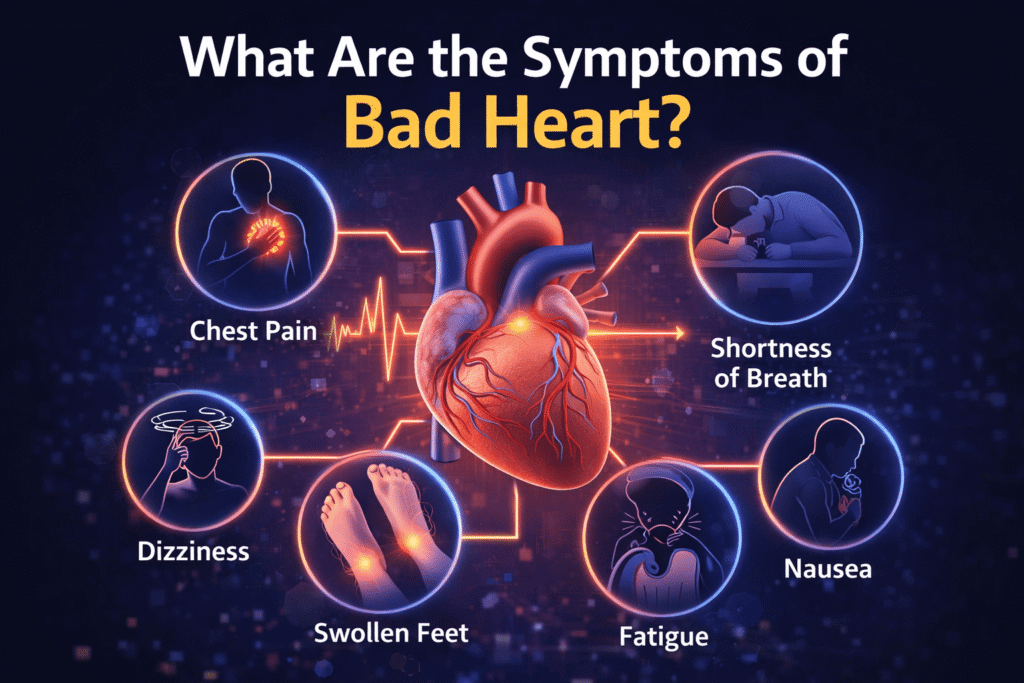
Many people often wonder what are the symptoms of a bad heart, especially because heart problems may develop gradually and sometimes go unnoticed in the early stages. Recognizing the warning signs early can help prevent severe complications and allow individuals to seek medical care before the condition worsens.
Heart related conditions can affect anyone, regardless of age or lifestyle. However, factors such as poor diet, lack of exercise, smoking, stress, and certain medical conditions can increase the risk of heart disease.
Learning about the symptoms of heart problems helps individuals understand when it may be time to consult a healthcare professional.
Why Heart Health Is Important
The heart plays a critical role in maintaining life. It circulates blood throughout the body, ensuring that organs and tissues receive oxygen and nutrients necessary for proper functioning.
When the heart becomes weak or damaged, this circulation process may be disrupted. As a result, the body may begin to experience symptoms that indicate something is wrong.
Heart problems can lead to serious medical conditions such as:
- Coronary Artery Disease
- Heart Failure
- Heart Attack
- Arrhythmia
These conditions can affect the heart’s ability to pump blood effectively and may cause noticeable symptoms.
Understanding early warning signs can help individuals seek medical treatment before these conditions become life threatening.
What Does a Bad Heart Mean
The phrase bad heart is commonly used to describe a heart that is not functioning normally. This can occur due to various conditions that affect the heart’s structure, blood flow, or electrical signals.
A bad heart may involve problems such as:
- Blocked arteries
- Weak heart muscles
- Irregular heart rhythm
- Damage to heart valves
These issues can interfere with the heart’s ability to pump blood efficiently, leading to a range of symptoms that affect the entire body.
Early Warning Signs of Heart Problems
In many cases, the body provides warning signals before a serious heart condition develops. These symptoms may appear mild at first but can gradually become more noticeable over time.
Some of the early warning signs that may indicate heart problems include:
- Chest discomfort
- Shortness of breath
- Fatigue
- Dizziness
- Irregular heartbeat
These symptoms should not be ignored, especially if they occur frequently or worsen with physical activity.
Recognizing these early signals is an important step in protecting heart health.
Chest Pain or Discomfort
One of the most well known symptoms of heart problems is chest pain. This discomfort may feel like pressure, tightness, or squeezing in the chest.
Chest pain related to heart conditions often occurs when the heart muscle does not receive enough oxygen rich blood.
This symptom is commonly associated with Angina, which occurs when the arteries supplying blood to the heart become narrowed.
Chest pain may also spread to other areas of the body, including:
- The shoulders
- The arms
- The neck
- The jaw
- The upper back
Any persistent or severe chest pain should be evaluated by a healthcare professional immediately.
Shortness of Breath
Another common symptom of heart problems is shortness of breath.
This occurs when the heart cannot pump blood effectively, causing fluid to build up in the lungs.
Shortness of breath may occur during physical activity or even while resting.
Individuals experiencing this symptom may feel as though they cannot take a full breath or may become easily tired during routine activities.
Shortness of breath is often associated with conditions such as Heart Failure, where the heart struggles to circulate blood efficiently.
Unusual Fatigue
Fatigue is another early sign that may indicate heart problems.
When the heart cannot pump blood efficiently, the body receives less oxygen and nutrients. This can cause individuals to feel unusually tired or weak.
Fatigue related to heart issues may appear suddenly or gradually worsen over time.
People experiencing heart related fatigue may notice:
- Difficulty performing everyday activities
- Persistent tiredness even after rest
- Reduced energy levels
This symptom can sometimes be overlooked because fatigue can result from many different causes.
However, when fatigue occurs alongside other symptoms such as chest discomfort or shortness of breath, it may indicate heart related issues.
Irregular Heartbeat
An irregular heartbeat, also known as Arrhythmia, can also be a warning sign of heart problems.
Individuals experiencing irregular heartbeats may notice sensations such as:
- A racing heartbeat
- Skipped heartbeats
- Fluttering sensations in the chest
While occasional irregular heartbeats can be harmless, frequent or persistent episodes should be evaluated by a medical professional.
Irregular heart rhythms can interfere with the heart’s ability to pump blood effectively.
Swelling in the Legs, Feet, or Ankles
Swelling in the lower parts of the body can occur when the heart is unable to pump blood efficiently.
This condition is known as edema, which results from fluid buildup in the tissues.
People with heart related swelling may notice:
- Swollen ankles
- Puffy feet
- Tightness in shoes or socks
- Swelling in the legs
Fluid retention often occurs in individuals with heart failure or other heart conditions that affect circulation.
Why Recognizing Symptoms Early Matters
Recognizing the symptoms of heart problems early can significantly improve treatment outcomes.
Early diagnosis allows doctors to identify the underlying cause and recommend appropriate treatments such as lifestyle changes, medications, or medical procedures.
Ignoring warning signs may allow heart conditions to worsen over time, increasing the risk of complications such as heart attacks or stroke.
Additional Warning Signs and Symptoms of a Bad Heart
Understanding what are the symptoms of a bad heart requires looking beyond the most obvious signs like chest pain. While chest discomfort and shortness of breath are widely recognized symptoms, many other warning signals may indicate that the heart is not functioning properly.
Heart problems can affect multiple systems in the body. Because the heart is responsible for circulating blood and oxygen, any disruption in its function can cause symptoms in areas such as the brain, lungs, digestive system, and muscles.
In many cases, these symptoms appear gradually and may initially seem unrelated to heart health. However, recognizing these warning signs early can help prevent serious complications and encourage individuals to seek medical care sooner.
Dizziness and Lightheadedness
Dizziness is a common symptom that may occur when the heart is unable to pump blood efficiently to the brain.
When blood flow to the brain is reduced, a person may feel lightheaded, unsteady, or faint.
Some people describe dizziness related to heart problems as a feeling of:
- Sudden weakness
- Loss of balance
- Blurred vision
- Fainting or near-fainting episodes
This symptom may be associated with heart rhythm problems such as Arrhythmia or with conditions where blood pressure drops suddenly.
If dizziness occurs frequently or leads to fainting, it should be evaluated by a healthcare professional.
Persistent Nausea or Loss of Appetite
Heart conditions can sometimes cause digestive symptoms that people may not immediately associate with heart problems.
Reduced blood flow or fluid buildup can affect the digestive system, leading to symptoms such as:
- Nausea
- Loss of appetite
- Stomach discomfort
- Feeling unusually full after eating small amounts
These symptoms may occur when the body struggles to circulate blood properly.
Some individuals experiencing heart problems may also feel pressure in the upper abdomen rather than the chest.
Although digestive issues can result from many causes, persistent symptoms should not be ignored, especially when they occur alongside other heart related warning signs.
Excessive Sweating
Unusual or excessive sweating without physical activity can sometimes be a sign of heart problems.
Cold sweats or sudden sweating may occur when the body experiences stress related to reduced blood flow or heart strain.
This symptom is sometimes associated with serious conditions such as Heart Attack.
People experiencing this symptom may notice:
- Sudden cold sweats
- Clammy skin
- Sweating accompanied by chest discomfort
If excessive sweating occurs together with chest pain, dizziness, or shortness of breath, immediate medical attention may be necessary.
Pain in Other Parts of the Body
Heart related discomfort does not always remain limited to the chest. Pain may spread to other parts of the body because nerves connected to the heart share pathways with nerves in other areas.
This type of pain is known as referred pain.
People experiencing heart related pain may notice discomfort in areas such as:
- The left arm
- Both arms
- The neck
- The jaw
- The upper back
- The shoulders
This type of pain may feel dull, aching, or pressure-like rather than sharp.
For some individuals, especially women, pain in the back or jaw may appear before chest discomfort occurs.
Recognizing these unusual patterns can help identify potential heart problems early.
Difficulty Sleeping or Breathing While Lying Down
Some people with heart problems experience difficulty breathing when lying flat.
This symptom occurs when fluid builds up in the lungs due to poor heart function.
Individuals experiencing this issue may find themselves needing to sleep with extra pillows to breathe comfortably.
Other signs may include:
- Waking up suddenly with shortness of breath
- Feeling pressure in the chest while lying down
- Needing to sit upright to breathe comfortably
These symptoms are commonly associated with Heart Failure, where the heart cannot pump blood effectively.
Persistent Cough or Wheezing
A long-lasting cough or wheezing can sometimes occur when fluid accumulates in the lungs due to heart problems.
When the heart cannot pump blood efficiently, fluid may leak into lung tissues, causing breathing difficulties.
Symptoms may include:
- Persistent coughing
- Wheezing sounds during breathing
- Coughing up white or pink mucus
Although respiratory conditions can cause similar symptoms, a persistent cough combined with other heart related signs may indicate underlying heart issues.
Rapid or Unexplained Weight Gain
Sudden weight gain can sometimes occur in people with heart conditions due to fluid retention.
When the heart struggles to circulate blood properly, the body may retain excess fluid in tissues.
This fluid buildup can lead to noticeable weight gain within a short period.
Individuals may notice:
- Rapid weight increase over several days
- Swelling in the abdomen
- Tightness in clothing or shoes
This symptom is often associated with heart failure and may require medical evaluation.
Reduced Ability to Exercise
People with heart problems may notice a decreased ability to perform physical activities that were once easy.
Activities such as walking, climbing stairs, or carrying groceries may suddenly feel much more difficult.
This reduced exercise tolerance may occur because the heart cannot deliver enough oxygen rich blood to muscles during activity.
Signs may include:
- Feeling exhausted after minimal activity
- Shortness of breath during mild exercise
- Chest discomfort while exerting effort
If exercise capacity declines without a clear explanation, it may indicate an underlying heart issue.
Heart Palpitations
Heart palpitations are sensations where the heart feels like it is pounding, racing, or fluttering.
Occasional palpitations can occur due to stress, caffeine, or physical exertion. However, frequent palpitations may indicate abnormal heart rhythms.
People experiencing palpitations may feel:
- Rapid heartbeat
- Skipped beats
- Fluttering sensations in the chest
Persistent palpitations may be associated with arrhythmias and should be evaluated by a healthcare professional.
Why Symptoms Can Vary Between Individuals
Heart symptoms do not appear the same for everyone. Factors such as age, gender, medical history, and lifestyle can influence how symptoms develop.
For example, women sometimes experience less typical symptoms of heart problems compared to men.
Instead of severe chest pain, women may experience symptoms such as:
- Extreme fatigue
- Nausea
- Back or jaw pain
- Shortness of breath
Because these symptoms may seem unrelated to heart health, they can sometimes be overlooked.
Understanding these variations helps individuals recognize warning signs more effectively.
The Importance of Monitoring Heart Symptoms
Being aware of changes in the body is essential for protecting heart health. Monitoring symptoms and seeking medical advice when necessary can help detect heart conditions early.
Doctors may use several diagnostic tests to evaluate heart health, including:
- Electrocardiograms (ECG)
- Blood tests
- Echocardiograms
- Stress tests
These tests help determine whether symptoms are related to heart conditions or other medical issues.
Risk Factors That Lead to Heart Problems
Understanding what are the symptoms of a bad heart is important, but it is equally essential to understand why heart problems develop in the first place. Many heart conditions do not appear suddenly. Instead, they develop gradually due to a combination of lifestyle choices, health conditions, and genetic factors.
Risk factors increase the likelihood of developing heart disease and may eventually lead to symptoms such as chest pain, fatigue, shortness of breath, and irregular heartbeat.
By identifying these risk factors early, individuals can take preventive measures to protect their heart health and reduce the chances of serious cardiovascular conditions.
High Blood Pressure
One of the most common causes of heart problems is high blood pressure, medically known as Hypertension.
Blood pressure refers to the force exerted by blood against the walls of the arteries as the heart pumps. When blood pressure remains consistently high, it places extra strain on the heart and blood vessels.
Over time, high blood pressure can damage arteries and make it harder for the heart to circulate blood effectively.
People with hypertension may not experience noticeable symptoms at first, which is why it is often called a “silent condition.”
However, long-term high blood pressure can significantly increase the risk of:
- Heart attacks
- Stroke
- Heart failure
- Kidney damage
Regular monitoring of blood pressure is essential for maintaining heart health.
High Cholesterol Levels
Another major risk factor for heart disease is high cholesterol. Cholesterol is a fatty substance found in the blood that the body uses to build cells.
However, excessive levels of certain types of cholesterol can cause plaque buildup in the arteries.
This condition is known as Atherosclerosis.
When plaque accumulates inside the arteries, it narrows the passage through which blood flows. As a result, the heart must work harder to pump blood throughout the body.
If an artery becomes completely blocked, it may lead to a Heart Attack.
Maintaining healthy cholesterol levels through diet and lifestyle choices can help reduce this risk.
Smoking and Tobacco Use
Smoking is one of the most harmful habits for heart health. Tobacco contains chemicals that damage blood vessels and reduce the amount of oxygen in the bloodstream.
Smoking contributes to several cardiovascular problems, including:
- Narrowing of blood vessels
- Increased blood pressure
- Higher heart rate
- Increased risk of blood clots
These effects place significant stress on the heart and increase the likelihood of heart disease.
Even exposure to secondhand smoke can negatively affect heart health.
Quitting smoking is one of the most effective steps individuals can take to protect their cardiovascular system.
Lack of Physical Activity
A sedentary lifestyle can also contribute to heart problems. Physical inactivity weakens the heart muscle and increases the risk of conditions such as obesity, high blood pressure, and diabetes.
Regular physical activity helps strengthen the heart and improve circulation.
Exercise benefits heart health by:
- Improving blood flow
- Reducing blood pressure
- Lowering cholesterol levels
- Maintaining healthy body weight
People who engage in regular physical activity tend to have a lower risk of heart disease compared to those who remain inactive.
Even moderate activities such as walking, cycling, or swimming can have significant benefits for cardiovascular health.
Unhealthy Diet
Diet plays a major role in heart health. Consuming excessive amounts of saturated fats, trans fats, salt, and sugar can increase the risk of heart disease.
An unhealthy diet may contribute to conditions such as:
- High cholesterol
- Obesity
- High blood pressure
Foods that may negatively affect heart health include:
- Highly processed foods
- Deep fried foods
- Sugary beverages
- Excessive red meat
- Foods high in sodium
On the other hand, heart healthy diets typically include:
- Fruits and vegetables
- Whole grains
- Lean proteins
- Healthy fats such as nuts and olive oil
Balanced nutrition supports proper heart function and helps reduce cardiovascular risk.
Diabetes
People with Diabetes have a significantly higher risk of developing heart disease.
Diabetes affects how the body regulates blood sugar levels. High blood sugar can damage blood vessels and nerves that control the heart.
Over time, this damage increases the risk of heart attack and other cardiovascular complications.
Managing blood sugar levels through medication, diet, and exercise is crucial for individuals with diabetes.
Obesity
Excess body weight places additional strain on the heart. Obesity is closely linked to several conditions that increase the risk of heart disease.
These conditions include:
- High blood pressure
- High cholesterol
- Type 2 diabetes
When the body carries excess weight, the heart must work harder to circulate blood throughout the body.
Maintaining a healthy weight can help reduce the risk of developing cardiovascular diseases.
Chronic Stress
Long term stress can negatively impact heart health. When the body experiences stress, it releases hormones that increase heart rate and blood pressure.
While short bursts of stress are normal, prolonged stress can damage blood vessels and contribute to unhealthy habits such as overeating, smoking, or lack of exercise.
Managing stress through relaxation techniques, physical activity, and healthy coping strategies can help protect heart health.
Family History and Genetics
Genetics can also play a role in heart disease. Individuals with a family history of heart problems may have a higher risk of developing similar conditions.
Inherited traits may affect factors such as cholesterol levels, blood pressure regulation, or heart structure.
Although genetics cannot be changed, people with a family history of heart disease can reduce their risk by maintaining healthy lifestyle habits.
Age and Gender
Age is another factor that influences heart health. As people grow older, the risk of developing heart disease generally increases.
This occurs because blood vessels and heart muscles gradually lose elasticity and efficiency over time.
Gender may also affect how heart disease develops.
For example:
- Men often develop heart disease earlier in life.
- Women may experience heart disease symptoms differently and sometimes later in life.
Understanding these differences helps improve awareness and early detection.
Why Prevention Is Important
Many of the risk factors associated with heart disease are preventable. Lifestyle choices play a major role in maintaining heart health.
Preventive strategies may include:
- Regular physical activity
- Balanced nutrition
- Avoiding smoking
- Managing stress
- Monitoring blood pressure and cholesterol levels
Adopting healthy habits early in life can significantly reduce the risk of developing heart conditions.
When to Seek Medical Advice
If individuals notice symptoms such as chest discomfort, shortness of breath, fatigue, or irregular heartbeats, it is important to consult a healthcare professional.
Doctors can evaluate symptoms, assess risk factors, and perform diagnostic tests to determine whether heart problems are present.
Early medical intervention can improve treatment outcomes and help prevent serious complications.
Diagnosis, Treatment, Prevention, and FAQs About a Bad Heart
Understanding what are the symptoms of a bad heart is only the first step toward protecting cardiovascular health. Once symptoms appear or risk factors are identified, medical professionals can evaluate the heart and determine whether a condition is present.
Modern medicine offers advanced diagnostic tools and treatment options that help detect heart problems early and manage them effectively. In addition, lifestyle changes can significantly improve heart health and reduce the risk of serious complications.
This section explains how doctors diagnose heart conditions, common treatments used to manage heart disease, and practical steps individuals can take to maintain a healthy heart.
How Doctors Diagnose Heart Problems
When someone experiences symptoms such as chest pain, shortness of breath, dizziness, or fatigue, doctors may recommend several diagnostic tests to evaluate heart function.
These tests help identify abnormalities in the heart’s structure, rhythm, or blood flow.
Electrocardiogram (ECG)
One of the most common heart tests is an electrocardiogram. This test records the electrical signals that control the heartbeat.
An ECG helps doctors detect conditions such as:
- Arrhythmia
- Heart Attack
- Abnormal heart rhythms
The test is painless and usually takes only a few minutes.
Echocardiogram
An echocardiogram uses ultrasound technology to create images of the heart.
This test allows doctors to observe how the heart chambers and valves function while the heart beats.
An echocardiogram can help detect conditions such as:
- Heart Failure
- Valve abnormalities
- Structural heart defects
Stress Test
A stress test evaluates how the heart performs during physical activity.
During this test, patients may walk on a treadmill or ride a stationary bicycle while doctors monitor heart rate, blood pressure, and oxygen levels.
This test helps identify problems with blood flow to the heart during exercise.
Blood Tests
Blood tests can reveal markers that indicate heart damage or increased risk of heart disease.
Doctors may measure substances such as cholesterol levels, blood sugar, and proteins released during heart muscle injury.
These tests help determine whether symptoms are related to cardiovascular problems.
Treatment Options for Heart Problems
Treatment for heart conditions depends on the underlying cause, severity of symptoms, and overall health of the patient.
Doctors may recommend a combination of medications, lifestyle changes, or medical procedures.
Medications
Medications are often used to manage heart conditions and reduce symptoms.
Common medications prescribed for heart problems include:
- Blood pressure medications
- Cholesterol lowering drugs
- Blood thinners
- Medications that regulate heart rhythm
These medications help improve circulation, prevent blood clots, and reduce strain on the heart.
Medical Procedures
In some cases, doctors may recommend medical procedures to restore normal blood flow or repair damaged heart structures.
Examples of common heart procedures include:
- Angioplasty to open blocked arteries
- Placement of stents to improve blood flow
- Pacemaker implantation to regulate heart rhythm
These procedures can help restore proper heart function and reduce the risk of severe complications.
Surgical Treatments
Severe heart conditions may require surgery.
One example is coronary artery bypass surgery, which improves blood flow by creating a new pathway around blocked arteries.
Surgical procedures are typically recommended when other treatments are not sufficient to manage the condition.
Lifestyle Changes for Better Heart Health
While medical treatments are important, lifestyle choices also play a major role in maintaining a healthy heart.
Adopting heart friendly habits can reduce the risk of developing cardiovascular diseases and improve overall health.
Maintain a Balanced Diet
A healthy diet supports heart function and helps control cholesterol and blood pressure levels.
Heart healthy foods include:
- Fresh fruits and vegetables
- Whole grains
- Lean proteins such as fish and poultry
- Healthy fats such as nuts and olive oil
Reducing intake of processed foods, excessive salt, and unhealthy fats can also benefit heart health.
Engage in Regular Physical Activity
Regular exercise strengthens the heart muscle and improves circulation.
Activities such as walking, jogging, swimming, or cycling can help maintain cardiovascular fitness.
Health experts often recommend at least 30 minutes of moderate physical activity on most days of the week.
Avoid Smoking
Smoking damages blood vessels and increases the risk of heart disease.
Quitting smoking improves circulation and reduces the likelihood of heart attacks and other cardiovascular conditions.
Manage Stress
Chronic stress can negatively affect heart health by increasing blood pressure and heart rate.
Relaxation techniques such as meditation, deep breathing, and yoga can help reduce stress levels.
Maintain a Healthy Weight
Excess body weight places additional strain on the heart.
Maintaining a healthy weight through balanced nutrition and physical activity supports long term heart health.
Importance of Regular Health Checkups
Routine medical checkups help detect potential heart problems before they become serious.
Doctors may monitor important indicators such as:
- Blood pressure
- Cholesterol levels
- Blood sugar levels
- Heart rhythm
Regular health screenings allow individuals to address risk factors early and maintain better heart health.
Frequently Asked Questions About Bad Heart Symptoms
What are the common symptoms of a bad heart
Common symptoms include chest pain, shortness of breath, fatigue, irregular heartbeat, dizziness, and swelling in the legs or ankles.
Can heart problems cause fatigue
Yes. When the heart cannot pump blood efficiently, the body receives less oxygen, which can lead to persistent fatigue and weakness.
Is chest pain always related to heart problems
Not all chest pain is caused by heart disease, but it is one of the most important warning signs. Any unexplained chest pain should be evaluated by a healthcare professional.
Can heart disease develop without symptoms
Yes. Some heart conditions develop gradually and may not cause noticeable symptoms in the early stages.
Regular health checkups help detect these conditions early.
Do women experience different heart symptoms than men
Yes. Women may experience symptoms such as nausea, fatigue, shortness of breath, or back pain instead of severe chest pain.
Can lifestyle changes improve heart health
Yes. Healthy lifestyle choices such as balanced nutrition, regular exercise, and avoiding smoking can significantly reduce the risk of heart disease.
What should I do if I experience heart symptoms
If you experience symptoms such as chest pain, dizziness, or difficulty breathing, seek medical attention immediately.
Early treatment can help prevent serious complications.
Can stress affect heart health
Yes. Chronic stress can increase blood pressure and heart rate, which may contribute to heart disease over time.
How can I keep my heart healthy
Maintaining a balanced diet, exercising regularly, managing stress, avoiding smoking, and attending regular medical checkups can help support heart health.
Are heart problems treatable
Many heart conditions can be managed successfully with medication, lifestyle changes, and medical procedures when diagnosed early.
Final Thoughts
Understanding what are the symptoms of a bad heart is essential for recognizing early warning signs and protecting long term health.
Symptoms such as chest discomfort, fatigue, dizziness, irregular heartbeat, and swelling should not be ignored. These signs may indicate underlying heart conditions that require medical evaluation.
Early detection, appropriate treatment, and healthy lifestyle habits can significantly improve heart health and reduce the risk of serious cardiovascular diseases.
By staying informed and proactive about heart health, individuals can take meaningful steps toward maintaining a stronger and healthier life.