
Quick Answer: Google has officially confirmed the Fitbit Air, its first screenless fitness tracker, will launch in India this October 2026. The announcement came during the Pixel 11 launch event on August 12. It tracks heart rate, sleep, blood oxygen, and heart rate variability with up to seven days of battery life, no screen, and guided coaching through Google Health Coach. It costs $99.99 (about ₹9,500) in the US, though Indian pricing has not been officially confirmed and third-party Amazon India listings currently show it selling for around ₹17,380 to ₹18,490.
For months, Indian Fitbit fans have watched from the sidelines as the Fitbit Air launched in the US, UK, Europe, and Australia while staying conspicuously absent at home. Some fans grew impatient enough to import the device themselves, paying a premium and forfeiting manufacturer warranty coverage just to get their hands on it early. That finally changed on August 12, when Google confirmed an October 2026 India launch date during the same event where it unveiled the Pixel 11 series and the Pixel Watch 5.
The Fitbit Air has already generated a fair amount of buzz globally since its original launch earlier in 2026, helped in part by a high-profile partnership with basketball star Stephen Curry. It has also drawn comparisons to the Whoop band, given its similarly screenless, background-tracking approach, though Google is pitching it at a considerably more accessible price point.
This guide covers everything confirmed so far about the Fitbit Air in India: what it actually is, the full feature set, expected pricing, and how it fits alongside Google’s existing wearables.
What Is the Fitbit Air?
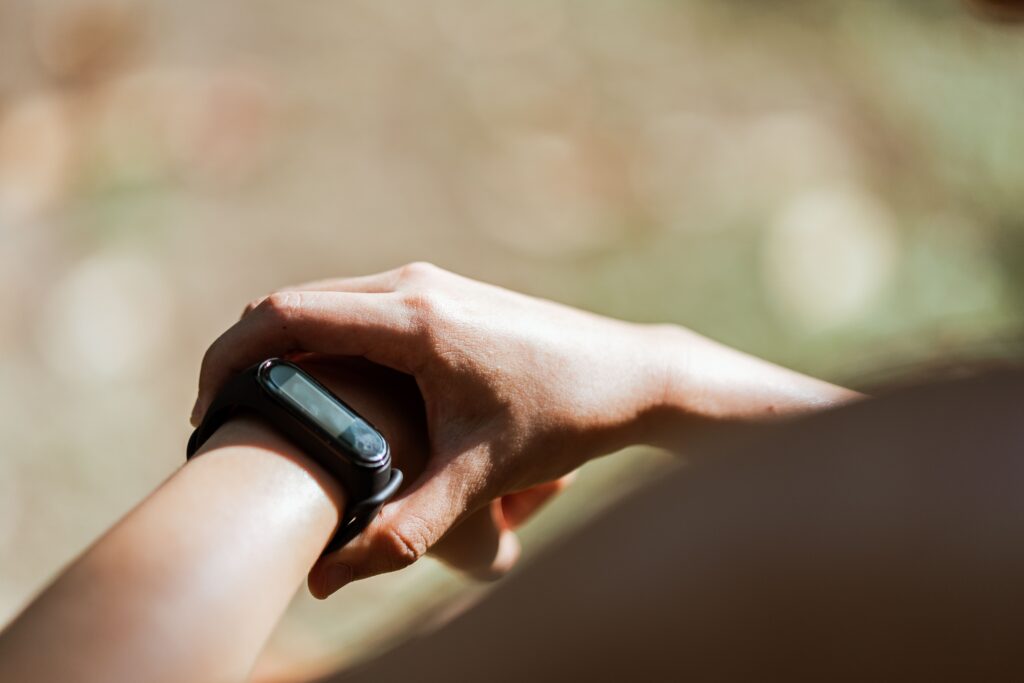
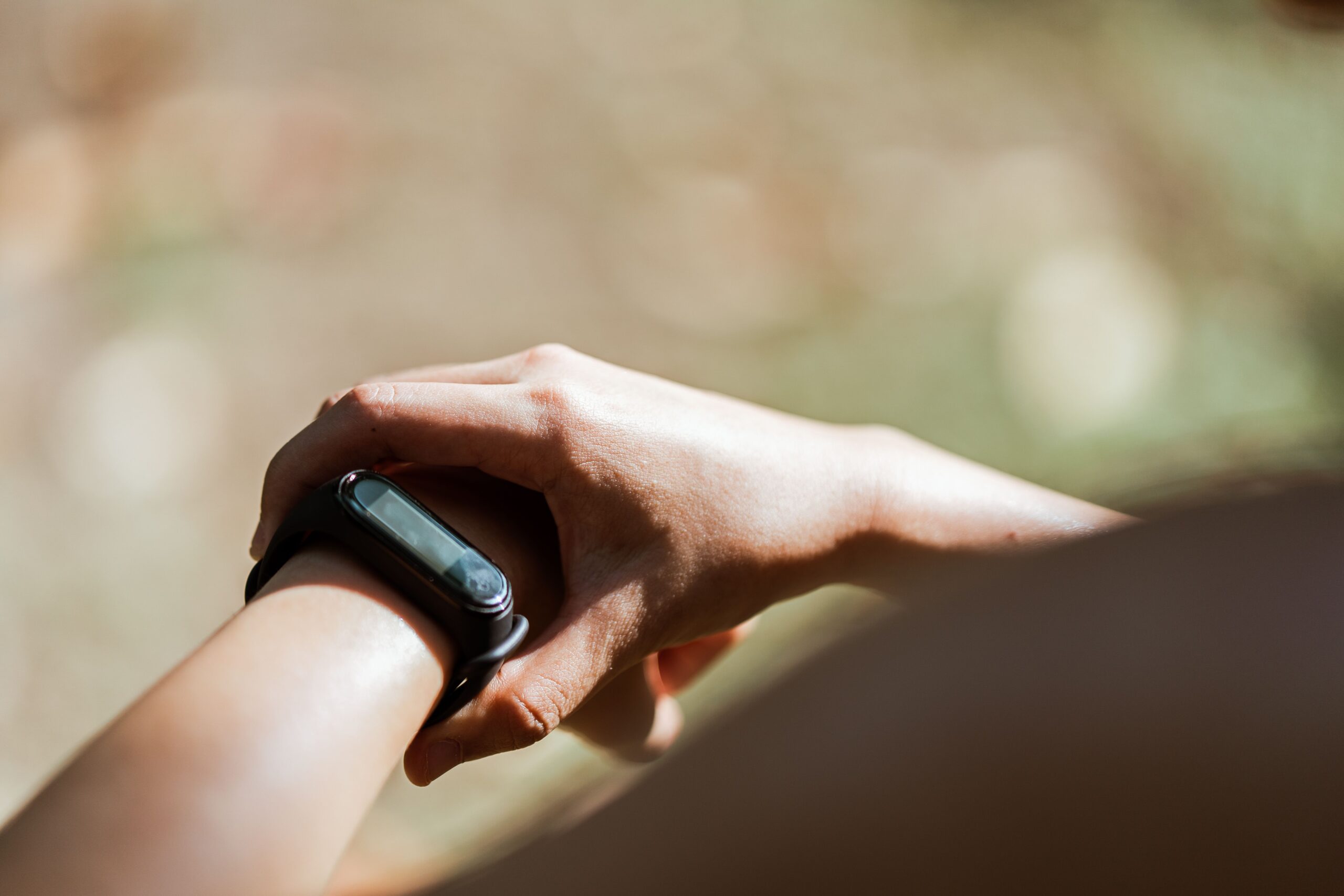
The Fitbit Air is Google’s first screenless fitness tracker, and it represents a genuine departure from how Fitbit has built devices for the past decade. Instead of the OLED touchscreens found on the Charge and Sense lines, the Fitbit Air strips the display away entirely. There is no screen, no touch interaction, and no on-device menus to navigate.
In place of a screen, the device relies on subtle haptic feedback and a small status light to communicate with the wearer. All the actual data, whether that is workout summaries, sleep scores, or heart rate trends, lives inside the Google Health app on your phone rather than on your wrist. The idea is to let the tracker fade into the background, collecting data passively rather than pulling your attention toward it throughout the day.
This approach puts the Fitbit Air in direct competition with recovery-focused wearables like the Whoop band, which pioneered the screenless, subscription-driven fitness tracking category. Google’s pitch is that it wants to bring that same distraction-free approach to a wider, more mainstream audience rather than keeping it a niche product for serious athletes.
It is worth noting that this is a genuinely new direction for Fitbit as a brand, one that has built its identity around wrist-worn displays since its earliest devices. Under Google’s ownership since 2021, Fitbit has increasingly leaned on Google’s broader AI and health ambitions, and the Fitbit Air feels like the clearest expression yet of where that direction is heading: less about checking a screen, more about quietly gathering data and surfacing insights only when they matter.
Announcement Details: How India Found Out
Google confirmed the Fitbit Air’s India launch during the Pixel 11 launch event on August 12, 2026, the same event that introduced the Pixel 11 series, Pixel 11 Pro Fold, and Pixel Watch 5 to the Indian market. The timing was not accidental. Google has been steadily consolidating its hardware and health ecosystem, rebranding the Fitbit app to Google Health earlier in 2026 and introducing shared features like Google Health Coach across both the Fitbit Air and the Pixel Watch 5.
Interestingly, the confirmation came just weeks after the Fitbit Air appeared on the Bureau of Indian Standards certification database under the model number GW9C8, which had already fuelled speculation among tech watchers that an India launch was imminent. That certification, followed by an official confirmation on stage, suggests Google is treating the Indian wearables market as a genuine priority this cycle rather than an afterthought.
Health and Fitness Tracking Features
Despite its minimalist design, the Fitbit Air is not a stripped-down tracker in terms of capability. Google has packed in a fairly comprehensive set of health sensors and software features, arguably more than what many touchscreen fitness bands in this price range offer.
Heart and Cardiovascular Monitoring
The device offers 24/7 heart rate monitoring, resting heart rate measurement, and heart rate variability tracking, giving a fairly complete picture of cardiovascular activity over time. It also includes heart rhythm assessment with atrial fibrillation alerts, a feature that historically was reserved for more expensive smartwatches rather than budget-friendly screenless trackers.
Sleep and Recovery
Sleep tracking on the Fitbit Air covers both sleep stage analysis and total sleep duration monitoring, feeding directly into the Google Health app’s broader recovery insights. Because the device has no screen to distract you before bed, Google is positioning it specifically as a better nighttime companion than a smartwatch that might light up with notifications.
Blood Oxygen and Activity Tracking
Blood oxygen, or SpO2, monitoring rounds out the core health sensor suite. On the activity side, the Fitbit Air supports both automatic workout detection, which recognises when you start exercising without needing to manually start a session, and manual exercise logging for activities the sensors might not catch automatically.
Guided Coaching Through Google Health Coach
Perhaps the most notable software feature is guided workouts through Google Health Coach, the same AI-driven coaching system that debuted more prominently on the Pixel Watch 5. This means Fitbit Air owners are not just collecting raw data, they are also getting structured guidance on how to act on it, whether that is training plans, recovery suggestions, or daily activity targets tailored to their goals.
Battery Life and Charging
One of the more compelling numbers Google has shared is battery life. The Fitbit Air is rated for up to seven days on a single charge, a figure well beyond what most screen-equipped smartwatches can manage, including Google’s own Pixel Watch 5. Because there is no display constantly drawing power, the sensors can run continuously in the background without draining the battery nearly as quickly.
Charging is also unusually fast for a device in this category. Google says just five minutes on the charger is enough to power a full day of use, which addresses one of the more common frustrations with fitness trackers: forgetting to charge overnight and missing a day of sleep data as a result.
Design and Durability
The Fitbit Air uses a polycarbonate body and is rated for water resistance up to 50 metres, making it suitable for swimming and most everyday water exposure without a second thought. Bands are interchangeable, which should help the device appeal to a wider range of wrist sizes and personal styles than a fixed-strap design would allow.
Google has also released a special edition collection for the Fitbit Air, developed in collaboration with NBA star Stephen Curry, who has been positioned as a Google Health Performance Advisor. This special edition pairs with a matching collection for the Pixel Watch 5, suggesting Google is leaning into athlete endorsements to build credibility in the fitness tracking space, a space traditionally dominated by brands like Garmin, Whoop, and Oura.
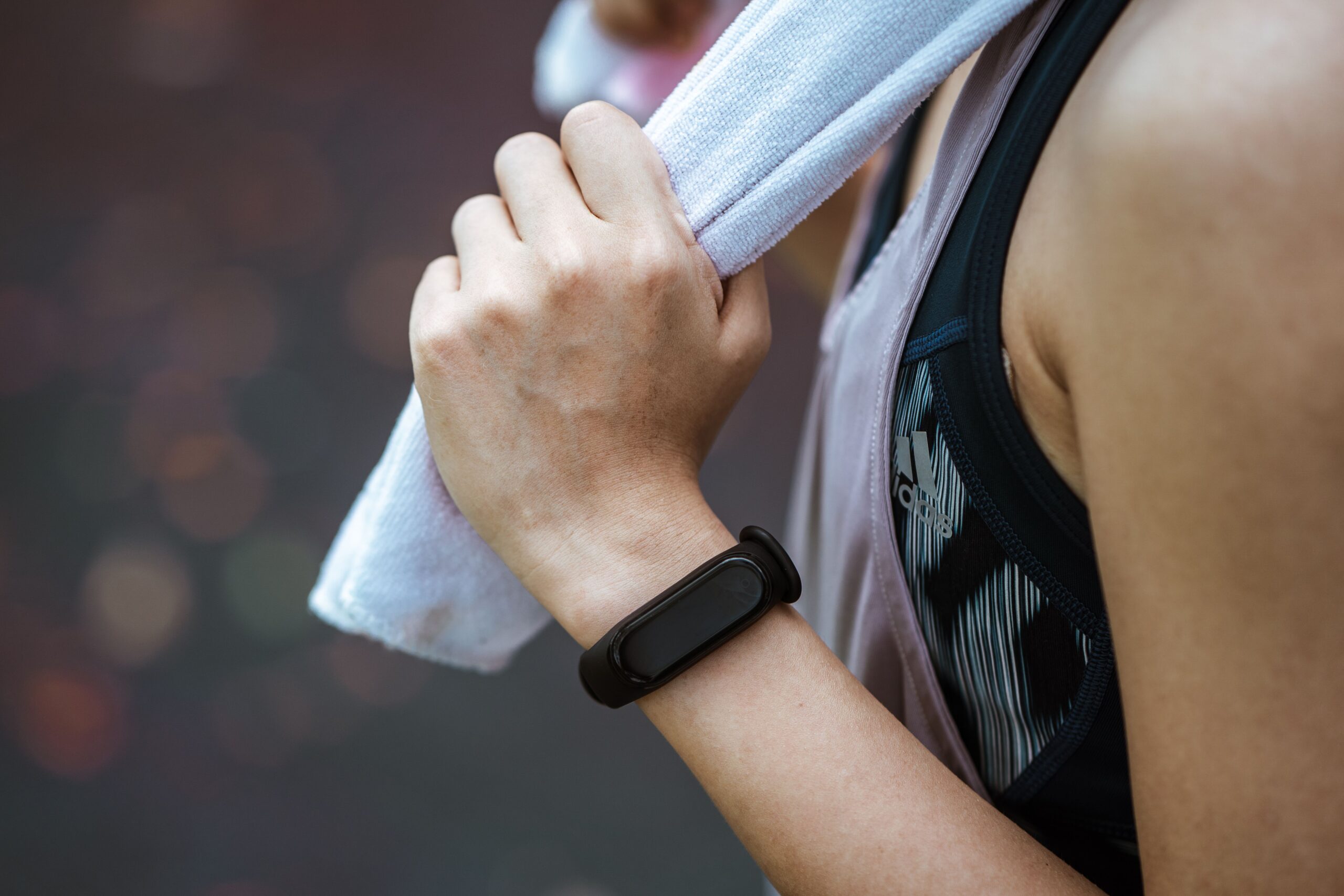
The overall design philosophy leans deliberately minimal, a small, pebble-shaped sensor housing paired with a soft, interchangeable strap rather than anything resembling a traditional watch case. Reports from early reviewers in markets where the device has already launched describe it as easy to forget you’re wearing, which is precisely the point for a device built around passive, background monitoring rather than active engagement.
How Has the Fitbit Air Been Received Elsewhere?
Since its initial launch in the US, UK, Europe, and Australia earlier in 2026, the Fitbit Air has generally been well received, with reviewers praising its comprehensive sensor suite and genuinely impressive battery life for the price. It has been widely described as a more approachable, mainstream take on the screenless fitness tracker concept that Whoop popularised, and its price point relative to Whoop has been a consistent talking point in early coverage.
That said, early adopters have flagged a couple of recurring issues worth knowing about ahead of the India launch. Some users have reported occasional connectivity hiccups when syncing with the Google Health app, and the one-size-fits-all strap design has drawn criticism from buyers with smaller wrists who found the fit less adjustable than expected. Neither issue appears to be widespread or deal-breaking, but they are worth keeping in mind if band sizing or connection reliability matters to you specifically.
Fitbit Air Price in India: What We Know So Far
Official Indian pricing has not been announced yet, and Google is expected to share full pricing, colour options, and retail availability details closer to the October launch window. That said, there are a few useful reference points for estimating what Indian buyers might pay.
| Reference Point | Price |
|---|---|
| US retail price | $99.99 (approximately ₹9,500) |
| Amazon India third-party listing (standard band) | ₹17,630 |
| Amazon India third-party listing (Performance Loop band) | ₹17,380 |
| Amazon India third-party listing (pink colourway) | ₹18,490 |
It is worth being cautious about those Amazon India figures. They come from third-party sellers importing the device ahead of an official India launch, not from Google’s own pricing, and buyers importing this way also lose out on manufacturer warranty coverage. Once the Fitbit Air officially launches through Google’s own channels in October, actual Indian retail pricing is likely to land closer to, though probably still above, the US price once import duties and taxes are factored in.
For context, even at the higher end of current estimates, the Fitbit Air should still undercut the Whoop band by a wide margin. Whoop currently retails for around ₹30,000 through third-party sellers in India, making the Fitbit Air a considerably more affordable entry point into screenless, recovery-focused fitness tracking.
Does the Fitbit Air Come With a Health Premium Subscription?
Google is widely expected to bundle a complimentary trial of Fitbit Health Premium with the Fitbit Air when it launches in India, based on how the device has been positioned in other markets. Health Premium unlocks more advanced features on top of the free tier, including deeper sleep scoring, stress management insights, and more personalised cardio and recovery guidance. Whether that trial period matches what other markets received, and how long it lasts, has not been officially detailed for India yet.
It is worth thinking of the subscription question as a genuine factor in the overall value equation rather than a minor add-on. A tracker with excellent hardware but a paywalled software experience can end up costing considerably more over a year or two than the upfront price alone suggests, so Indian buyers should watch closely for the exact subscription terms Google confirms closer to launch.
How the Fitbit Air Fits Into Google’s Wearable Lineup
With the Fitbit Air’s India launch confirmed, Google will soon have three distinct wearable tiers competing for attention in the Indian market: the screenless, budget-friendly Fitbit Air; the more traditional touchscreen Fitbit trackers and smartwatches; and the premium Pixel Watch 5, which starts at ₹42,900. This gives Google a genuinely tiered lineup for the first time, something Samsung and Apple have offered in various forms for years but that Google has historically lacked in India.
For buyers trying to decide between the two, the choice largely comes down to whether you want a screen. If you are someone who checks notifications, uses apps, or wants GPS-based route tracking on your wrist, the Pixel Watch 5 remains the better fit. If your priority is background health monitoring with minimal distraction and maximum battery life, the Fitbit Air is purpose-built for exactly that use case.
How Does the Fitbit Air Compare to Rivals in India?
India’s fitness wearable market has traditionally been dominated by budget-friendly brands like Noise, boAt, and Xiaomi, most of which rely on colourful touchscreen displays and aggressive price points well under ₹5,000. The Fitbit Air, even at the more conservative end of price estimates, will likely sit meaningfully above that segment, positioning itself instead as a mid-range alternative to devices like the Whoop band, Oura Ring, and premium fitness bands from Garmin and Amazfit.
Whether Indian buyers who are used to budget touchscreen trackers will embrace a pricier screenless device remains an open question, and one that will likely be answered once official pricing and initial sales figures come in after the October launch.
There is a reasonable case to be made either way. On one hand, India’s wearables market has grown largely on the back of affordability and flashy displays, which the Fitbit Air deliberately avoids. On the other hand, growing health-consciousness among urban Indian consumers, combined with rising awareness of recovery-focused fitness concepts popularised by athletes and fitness influencers, could create genuine demand for a more serious, sensor-first device, especially one backed by Google’s brand recognition and software ecosystem rather than a lesser-known international brand like Whoop.
Should You Wait for the Fitbit Air, or Buy Something Now?
If you are currently shopping for a fitness tracker and specifically want the screenless, distraction-free experience the Fitbit Air is built around, waiting until October makes sense, particularly since importing the device now means paying a premium without any manufacturer warranty coverage in India. If you need a wearable immediately and are less concerned about the screenless design specifically, it is worth comparing your options against our broader look at the Google Pixel Watch 5, which is already available in India and offers many of the same underlying health features, including Google Health Coach, on a more traditional smartwatch form factor.
Frequently Asked Questions
When will the Fitbit Air launch in India?
Google has confirmed the Fitbit Air will launch in India in October 2026, though an exact date has not yet been announced.
What is the price of the Fitbit Air in India?
Official Indian pricing has not been confirmed. It costs $99.99 in the US, while unofficial Amazon India listings from third-party sellers currently show prices ranging from roughly ₹17,380 to ₹18,490.
Does the Fitbit Air have a screen?
No. The Fitbit Air is Google’s first screenless fitness tracker. It uses haptic feedback and a small status light instead of a display, with all data viewable through the Google Health app.
What health features does the Fitbit Air track?
It tracks 24/7 heart rate, heart rate variability, resting heart rate, blood oxygen levels, sleep stages and duration, and heart rhythm with atrial fibrillation alerts, along with automatic and manual workout tracking.
How long does the Fitbit Air’s battery last?
Google rates the Fitbit Air for up to seven days of battery life on a single charge, with just five minutes of charging providing enough power for a full day of use.
Is the Fitbit Air waterproof?
Yes, it has a polycarbonate body with water resistance rated up to 50 metres, making it suitable for swimming.
How is the Fitbit Air different from the Pixel Watch 5?
The Fitbit Air has no screen and focuses purely on background health tracking with up to seven days of battery life. The Pixel Watch 5 is a full touchscreen smartwatch with notifications, apps, GPS, and on-device Gemini, but with meaningfully shorter battery life.
Does the Fitbit Air require a subscription?
Core tracking features work without a subscription, but Google is expected to offer a Fitbit Health Premium trial alongside the device, which unlocks more advanced sleep, stress, and coaching insights.
Can I import a Fitbit Air to India before the official launch?
You can, and some buyers already have through third-party Amazon India listings, but importing means paying a premium above the US price and losing out on Google’s manufacturer warranty coverage in India.
Who is the Fitbit Air best suited for?
It suits buyers who want background health and sleep tracking without notifications or a screen pulling their attention, including people who find smartwatches distracting or who primarily care about recovery and sleep metrics over day-to-day notifications.
Final Verdict
The Fitbit Air’s confirmed October arrival closes a gap that has frustrated Indian fitness tech enthusiasts for months. As Google’s first screenless tracker, it represents a genuinely different approach from the touchscreen-first wearables that have dominated both Fitbit’s own lineup and the broader Indian market. With a comprehensive health sensor suite, up to seven days of battery life, and Google Health Coach integration shared with the Pixel Watch 5, it looks well positioned to compete with pricier recovery-focused wearables like Whoop, provided Google’s eventual Indian pricing lands where early estimates suggest.
Much will depend on how Indian buyers, who have historically favoured colourful budget touchscreen trackers, respond to a pricier, screen-free alternative. If Google can convincingly communicate the value of background tracking over constant notifications, the Fitbit Air could carve out a genuinely new category in the Indian wearables market rather than simply competing on specs against existing budget bands.
The real test will come once official pricing and availability details arrive closer to October. Until then, keep an eye on our Gadget section for updates as soon as Google shares more.