

Quick Answer: The Motorola Moto G Max price in India is ₹27,999 for the sole 6GB+128GB variant. Launched on August 14, 2026, it goes on open sale from August 20 exclusively via Flipkart, Motorola’s own website, and offline retail stores. It features a 6.72-inch FHD+ LCD display with a 120Hz refresh rate, a Snapdragon 6s Gen 4 chipset, a 50MP Sony LYTIA 600 primary camera, and a massive 7,000mAh battery that Motorola claims can last up to three days. This guide covers full pricing, specs, and whether it’s worth buying.
If you’ve been searching for the Moto G Max price in India, you’re looking at Motorola’s second “Max” branded phone in the country, following the Motorola Edge 70 Max 5G. The G Max slots into Motorola’s growing mid-range portfolio with a clear focus: strong battery endurance and camera performance without pushing all the way into flagship pricing. Here’s everything you need to know before buying.

Moto G Max Price in India (August 2026)
Motorola officially launched the Moto G Max in India on August 14, 2026, with open sale beginning August 20 at 12 PM through Flipkart, Motorola’s own website, and leading offline retail stores across the country.
| Variant | Price in India |
|---|---|
| 6GB RAM + 128GB Storage | ₹27,999 |
Buyers can get an instant ₹1,000 discount using eligible Axis Bank or ICICI Bank credit cards, along with a separate ₹1,000 exchange bonus for trading in an older device — bringing the effective starting price down to around ₹25,999 for buyers who take advantage of both offers. If you’re comparing this against other options in a similar price range, our coverage of the Redmi Note 17 and Poco M8 Power covers two of the G Max’s closest large-battery rivals.
Design and Build
The Moto G Max introduces a satin-textured finish to its rear panel, a deliberate design choice aimed at reducing visible fingerprint smudges compared to glossier finishes common at this price point. It’s available in three Pantone-certified colour options — Alaskan Blue, Malaga, and Stargazer — continuing Motorola’s now-familiar practice of collaborating with Pantone on its colour palettes across the G-series lineup.
Despite the large 7,000mAh battery inside, Motorola has kept the phone at a reasonable 8.6mm thickness and 213 grams. The G Max carries an IP64 rating for dust and splash resistance, and additionally meets MIL-STD-810H military-grade durability standards — a combination that’s relatively strong for this price bracket, signaling Motorola’s focus on physical durability alongside battery life.
Display Specifications
- Size: 6.72-inch Full-HD+ LCD
- Refresh rate: 120Hz
- Brightness: Up to 1,050 nits in High Brightness Mode (HBM)
- Protection: Corning Gorilla Glass 7i
It’s worth noting the G Max uses an LCD panel rather than AMOLED — a deliberate cost trade-off at this price point, and one that some rivals like the Redmi Note 17 and Poco M8 Power don’t make, since both use AMOLED displays instead. Buyers who specifically prioritize the deeper contrast and richer colours of AMOLED should weigh this trade-off carefully before choosing the G Max over its AMOLED-equipped competitors.
Performance: Snapdragon 6s Gen 4
The Moto G Max runs on a Qualcomm Snapdragon 6s Gen 4 chipset, paired with 6GB of LPDDR5X RAM and 128GB of UFS 3.1 storage (a 256GB variant is also referenced in some specifications, though the officially confirmed India launch covers only the 6GB+128GB configuration). This is an entry-to-mid-range chipset built for smooth everyday performance — messaging, social media, streaming, and casual gaming — rather than benchmark-topping power, consistent with where Motorola has historically positioned its standard G-series phones.
Camera: A Genuine Highlight
Motorola is leading with the camera as one of the G Max’s standout features, built around a 50MP Sony LYTIA 600 primary sensor that the company describes as a segment-leading offering for this price bracket, paired with an 8MP secondary lens. The front camera is a substantial 32MP shooter, a notably strong selfie camera specification for a phone in this price range. Whether the camera fully lives up to Motorola’s “segment-leading” framing will become clearer with independent reviews, but the choice to lead marketing with photography rather than purely battery size or raw specs signals Motorola’s intent to differentiate the G Max on picture quality specifically.
Battery and Charging: The Headline Feature
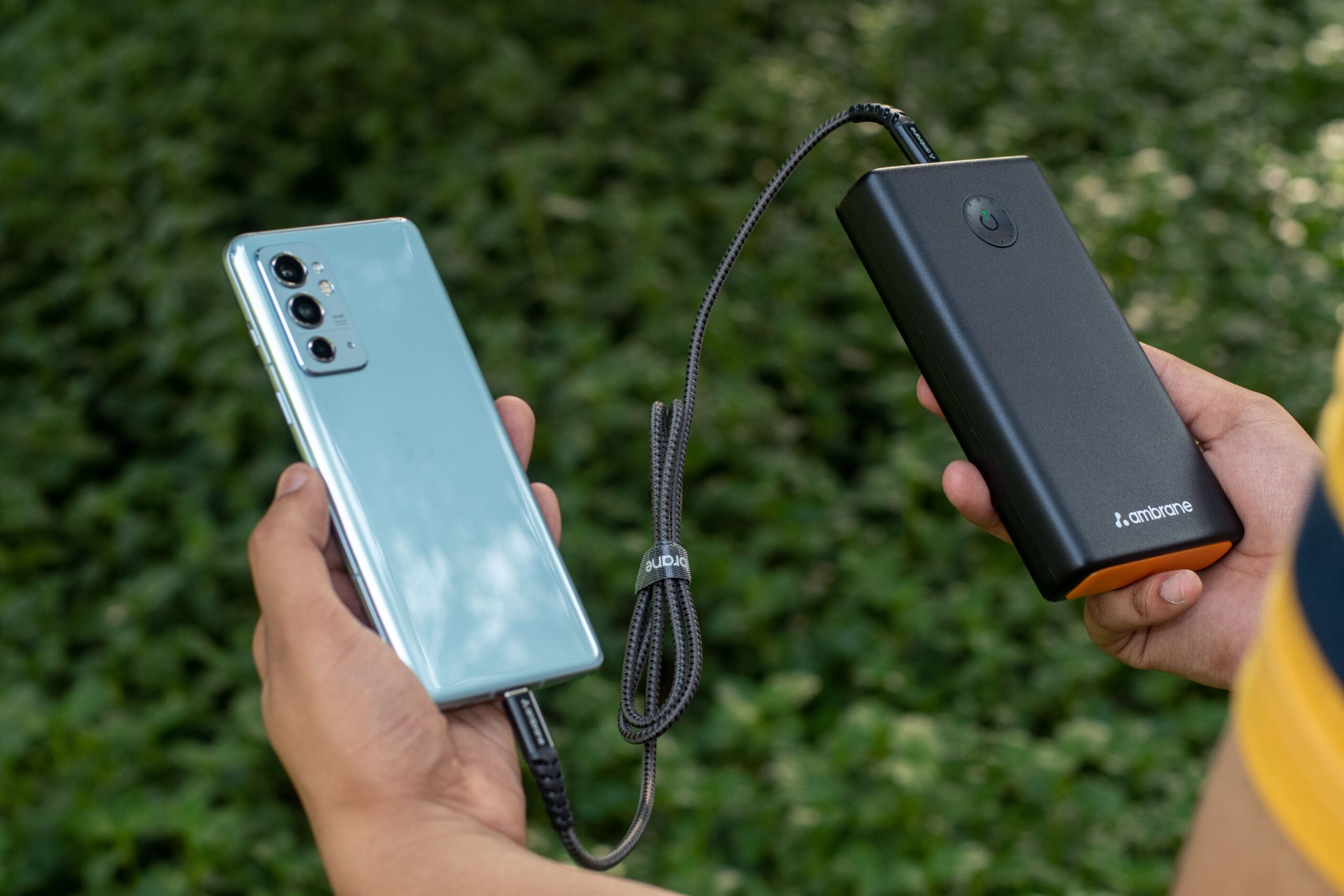
The 7,000mAh battery is the Moto G Max’s other core selling point, with Motorola claiming up to three days of use for moderate users. Charging is handled via 30W fast charging — noticeably slower than the 45W standard found on rivals like the Redmi Note 17 and Poco M8 Power, representing one of the more obvious trade-offs Motorola made to hit this price point and battery capacity combination. For buyers who prioritize maximum battery runtime over charging speed, this trade-off is likely to feel worthwhile; for anyone who frequently needs a fast top-up, it’s a genuine consideration against faster-charging rivals.
Audio and Extra Features
The Moto G Max includes stereo speakers with Dolby Atmos support and a 3.5mm headphone jack — increasingly rare inclusions at this price point as more manufacturers drop the headphone jack entirely. An FM radio is also included, a small but genuinely appreciated holdover feature for users in regions with less reliable mobile data coverage. These audio and connectivity extras, combined with the camera focus, position the G Max as a more well-rounded everyday phone rather than one built purely around a single headline spec.
Full Specifications at a Glance
| Spec | Motorola Moto G Max |
|---|---|
| Display | 6.72-inch FHD+ LCD, 120Hz, 1,050 nits HBM |
| Chipset | Snapdragon 6s Gen 4 |
| RAM | 6GB LPDDR5X |
| Storage | 128GB UFS 3.1, expandable via microSDXC |
| Rear Camera | 50MP Sony LYTIA 600 + 8MP |
| Front Camera | 32MP |
| Battery | 7,000mAh with 30W fast charging |
| Build | 8.6mm thick, 213g, IP64 rated, MIL-STD-810H certified |
| Software | Android 16, 2 years OS + 3 years security updates |
| Colors | Pantone Alaskan Blue, Malaga, Stargazer |
| Starting Price (India) | ₹27,999 |
Moto G Max vs Redmi Note 17 and Poco M8 Power
The Moto G Max enters a genuinely crowded part of the Indian market this August, competing directly against the battery-focused Redmi Note 17 and Poco M8 Power, both of which pack larger 8,000mAh batteries and AMOLED displays at similar or lower starting prices. The G Max’s advantages lie elsewhere — a stronger-specced selfie camera, Dolby Atmos stereo speakers, a 3.5mm headphone jack, and MIL-STD-810H durability certification that neither direct rival explicitly matches. If maximum battery capacity and AMOLED display quality are your top priorities, the Redmi Note 17 or Poco M8 Power likely represent better value; if camera quality, audio, and physical durability matter more to you, the G Max makes a stronger case for itself despite its smaller (though still substantial) battery.
Software and Update Policy
The Moto G Max ships with Android 16 and includes Google Gemini assistant features built in, alongside Motorola’s own Moto Secure and ThinkShield mobile security suites. Motorola has committed to two major Android OS upgrades and three years of security patches — a reasonably standard commitment for this price segment, though it trails the four-year OS update promises some rivals like the Redmi Note 17 have made this generation.
Pros and Cons
What We Like
- Strong 50MP Sony LYTIA 600 camera with a capable 32MP selfie shooter
- Large 7,000mAh battery genuinely built for multi-day use
- Stereo speakers with Dolby Atmos and a retained 3.5mm headphone jack
- IP64 rating plus MIL-STD-810H durability certification
- Satin-textured finish that resists visible fingerprints
What Could Be Better
- LCD display rather than AMOLED, unlike key rivals at this price
- 30W charging is noticeably slower than the 45W standard on competing phones
- Only a single 6GB+128GB configuration officially available at launch
- 2-year OS update commitment trails some rivals’ 4-year promises
- Exclusive to Flipkart and Motorola’s own store at launch, limiting purchase options
Who Should Buy the Moto G Max?
This phone is a strong fit for buyers who prioritize camera quality and audio experience alongside solid battery life, rather than chasing the single biggest battery number on the market. It’s also a good pick for anyone who values physical durability certifications and wants to retain a headphone jack in an era where more phones are dropping it. If you specifically want the largest possible battery capacity, the fastest charging speed, or an AMOLED display, the Redmi Note 17 or Poco M8 Power are likely better matches for those specific priorities at a similar price.
Gaming and Everyday Performance
In daily use, the Snapdragon 6s Gen 4 comfortably handles messaging apps, social media, streaming, and casual gaming, aided by the smooth 120Hz display refresh rate. Graphically demanding titles like BGMI or Genshin Impact run, but expect to drop a setting or two below maximum to maintain consistently smooth frame rates during longer sessions — this chipset tier is built for everyday reliability and battery efficiency rather than benchmark-topping gaming performance. For most Moto G Max buyers, whose priorities clearly lean toward camera quality, battery life, and durability rather than gaming muscle, this represents a sensible trade-off rather than a genuine shortcoming.
Real-World Camera Expectations
Motorola’s decision to lead with the 50MP Sony LYTIA 600 sensor as a headline feature sets meaningful expectations for daylight and portrait photography specifically. Sony’s LYTIA sensor line has generally delivered solid colour accuracy and detail retention in good lighting conditions across various phones that have used it, and a 32MP front camera at this price point suggests Motorola is specifically targeting buyers who prioritize selfies and video calls alongside general photography. Low-light performance will be the more interesting test once independent reviews arrive, since sensor quality alone doesn’t guarantee strong night photography without solid computational processing to back it up — a detail that’s often the difference between a good camera spec sheet and a genuinely good camera experience.
Connectivity and Everyday Features
The Moto G Max includes standard 5G connectivity, dual-band Wi-Fi, Bluetooth, and USB On-The-Go (OTG) support for connecting external storage or accessories directly to the phone. An in-display or side-mounted fingerprint sensor (depending on final unit configuration) handles biometric unlocking, and the retained 3.5mm headphone jack alongside FM radio support are genuinely useful holdovers for budget-conscious buyers who still rely on wired audio or don’t want to depend entirely on mobile data for radio access. The microSDXC expandable storage slot is another practical inclusion, letting buyers who shoot a lot of photos or video expand beyond the fixed 128GB of internal storage without needing to manage cloud storage constantly.
EMI and Exchange Options
Given the price sitting just under ₹28,000, EMI options through Flipkart’s partner banks and Bajaj Finance are commonly available, typically bringing monthly payments down to a few hundred rupees depending on tenure and down payment. Beyond the ₹1,000 instant bank discount and ₹1,000 exchange bonus already confirmed at launch, it’s worth watching for additional discounts during major sale events later in the year, which have historically brought further price reductions on Motorola’s mid-range phones a few months after launch.
Frequently Asked Questions
What is the Moto G Max price in India?
The Motorola Moto G Max is priced at ₹27,999 for the sole 6GB+128GB variant available in India.
When did the Moto G Max launch in India?
It launched on August 14, 2026, with open sale beginning August 20, 2026 via Flipkart, Motorola’s website, and offline retail stores.
What chipset does the Moto G Max use?
It uses a Qualcomm Snapdragon 6s Gen 4 chipset, paired with 6GB of LPDDR5X RAM.
How big is the Moto G Max’s battery?
It has a 7,000mAh battery with 30W fast charging support, with Motorola claiming up to three days of battery life for moderate users.
Does the Moto G Max have an AMOLED display?
No, it uses a 6.72-inch Full-HD+ LCD display with a 120Hz refresh rate, unlike some rivals that use AMOLED panels at a similar price.
How long will the Moto G Max receive software updates?
Motorola has committed to two major Android OS upgrades and three years of security patches for the Moto G Max.
What colors does the Moto G Max come in?
It’s available in Pantone Alaskan Blue, Pantone Malaga, and Pantone Stargazer colour options.
Does the Moto G Max have a headphone jack?
Yes, it retains a 3.5mm headphone jack along with stereo speakers and Dolby Atmos support, an increasingly rare combination at this price point.
Is the Moto G Max better than the Redmi Note 17?
It depends on your priorities. The Redmi Note 17 offers a larger battery and AMOLED display, while the Moto G Max leads with a stronger selfie camera, stereo Dolby Atmos audio, a headphone jack, and stronger durability certifications.
Final Verdict
The Motorola Moto G Max makes a clear, deliberate bet: rather than chasing the biggest battery number or an AMOLED display at this price point, it leads with camera quality, audio experience, and physical durability, backed by a genuinely large — if not class-leading — battery. That positioning makes it a strong pick for buyers who value well-rounded everyday usability over maximizing a single spec, even if rivals like the Redmi Note 17 and Poco M8 Power will out-battery and out-display it on paper. For anyone prioritizing photography, sound quality, and durability in a mid-range phone, the Moto G Max is a genuinely solid option worth cross-shopping against its more battery-focused competitors.