
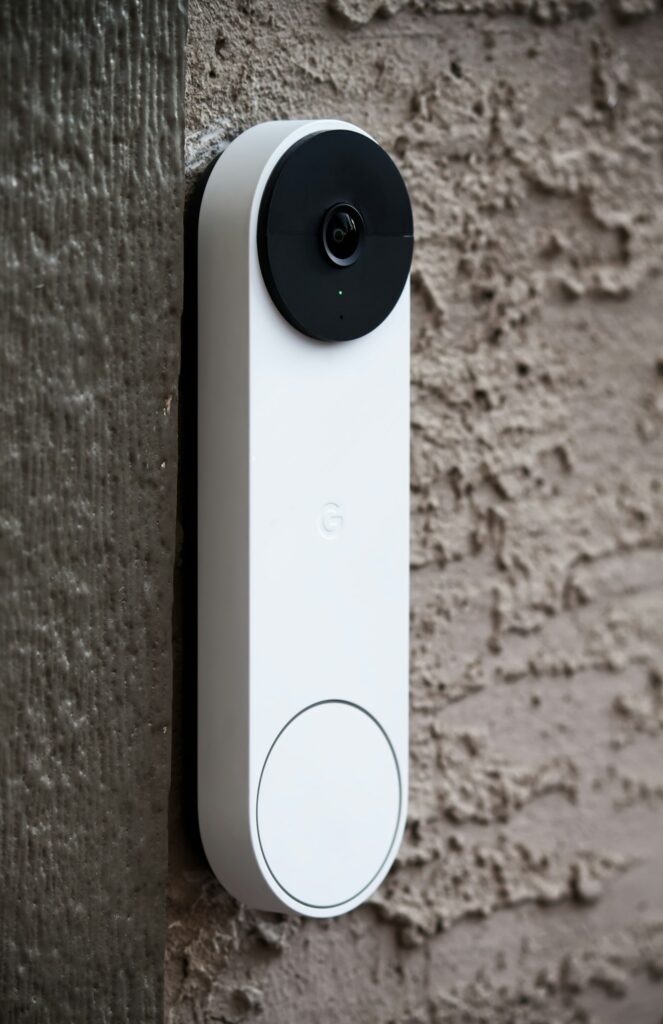
Quick Answer: The best video doorbell overall in 2026 is Ring, thanks to the widest model lineup (seven doorbells from $49.99 to $499.99), the cheapest cloud storage subscription in the category at $4.99/month, and the deepest smart-home ecosystem for Alexa households. Google Nest is the best choice for Google Home households, with on-device AI that distinguishes people, packages, animals, and vehicles even without a subscription, though Google just raised its subscription price sharply in August 2026. Arlo delivers the best raw video quality of the three, but its cheapest single-camera plan has nearly doubled in price over the past two years and now costs more than Ring’s equivalent tier.
Key Takeaways
- Google raised Nest Aware pricing (now called Google Home Premium) by 25-33% effective after August 15, 2026: the base plan went from $8 to $10/month and the Plus plan went from $15 to $20/month.
- Arlo has raised its cheapest single-camera subscription twice in two years — from $2.99 to $4.99, then from $4.99 to $7.99/month — a roughly 165% increase in that time.
- Ring remains the only one of the three that still offers a genuinely affordable single-camera plan at $4.99/month, undercutting both Nest’s new $10/month rate and Arlo’s $7.99/month rate.
- Nest is the only doorbell of the three that stores any video (3 hours of event history) without a paid subscription at all — Ring and Arlo require a subscription for any recorded clip history.
- Ring added a facial recognition feature called Familiar Faces in December 2025, which is off by default and unavailable in Illinois, Texas, and Portland, Oregon due to biometric privacy laws in those jurisdictions.
- Doorbell hardware itself spans a wide range: Ring’s cheapest model starts at $49.99-$79.99, while its flagship Wired Doorbell Elite costs up to $499.99, and Nest and Arlo doorbells sit in the $180-$250 range with less price spread.
Best Video Doorbells 2026: Quick Comparison
| Brand | Best For | Doorbell Price Range | Cheapest Subscription |
|---|---|---|---|
| Ring | Value, Alexa households | $49.99-$499.99 | $4.99/mo (1 device) |
| Nest | Google Home households | ~$180 (both models) | $10/mo (unlimited devices) |
| Arlo | Video quality | ~$180-$250 | $7.99/mo (1 camera) |
All three brands sell the doorbell hardware separately from the ongoing cost of actually recording and storing footage — and in 2026, the subscription side of that equation has moved more than the hardware side. Here’s how each one breaks down.
Ring: Best Overall
Ring pioneered the mainstream video doorbell category, and in 2026 it still offers the widest range of models and the most affordable subscription plans of the three brands compared here.
Ring’s doorbell lineup
Ring sells seven doorbell models spanning battery, wired, and Power-over-Ethernet options. The base Ring Doorbell (battery or wired) starts at $49.99-$79.99 depending on current promotions, delivering 2K video with customizable motion zones and two-way audio. The mid-tier Ring Doorbell Plus, at $179.99, adds a wider field of view and color night vision. The Ring Battery Doorbell Pro, at $249.99, steps up to 4K video, 3D Motion Detection, and 10x enhanced zoom for reading package labels clearly. At the top, the Ring Wired Doorbell Elite uses a Power-over-Ethernet connection for the most reliable performance and costs $349.99-$499.99 depending on the generation, with the newest version adding 4K resolution and improved low-light color night vision.
Ring’s subscription plans
Ring Protect Basic costs $4.99/month (or $49.99/year) and covers a single device with 180 days of video history. Ring Protect Standard, at $9.99/month, covers unlimited Ring devices at one address and adds a 10% discount on Ring products plus extended warranties. Ring Protect Pro, at $19.99/month, adds 24/7 continuous recording (on Pro 2 and Elite models only) plus professional monitoring for Ring Alarm systems. Without any subscription, Ring doorbells still function as a live intercom — you get real-time video and two-way talk, but no recorded clips are saved.
Ring pros and cons
- Pros: Widest model selection of the three brands, cheapest entry-level subscription in the category, deepest Alexa integration, frequent seasonal discounts on hardware.
- Cons: No recorded video at all without a subscription, premium models get expensive quickly (up to $499.99), doesn’t integrate as tightly with Google Home or Apple HomeKit as it does with Alexa.
Google Nest: Best for Google Home Households
Nest’s doorbells are built around on-device AI that runs locally on the doorbell’s chip, which is what allows it to offer some recorded history even without a paid subscription — a real point of difference from Ring and Arlo.
Nest’s doorbell lineup and free tier
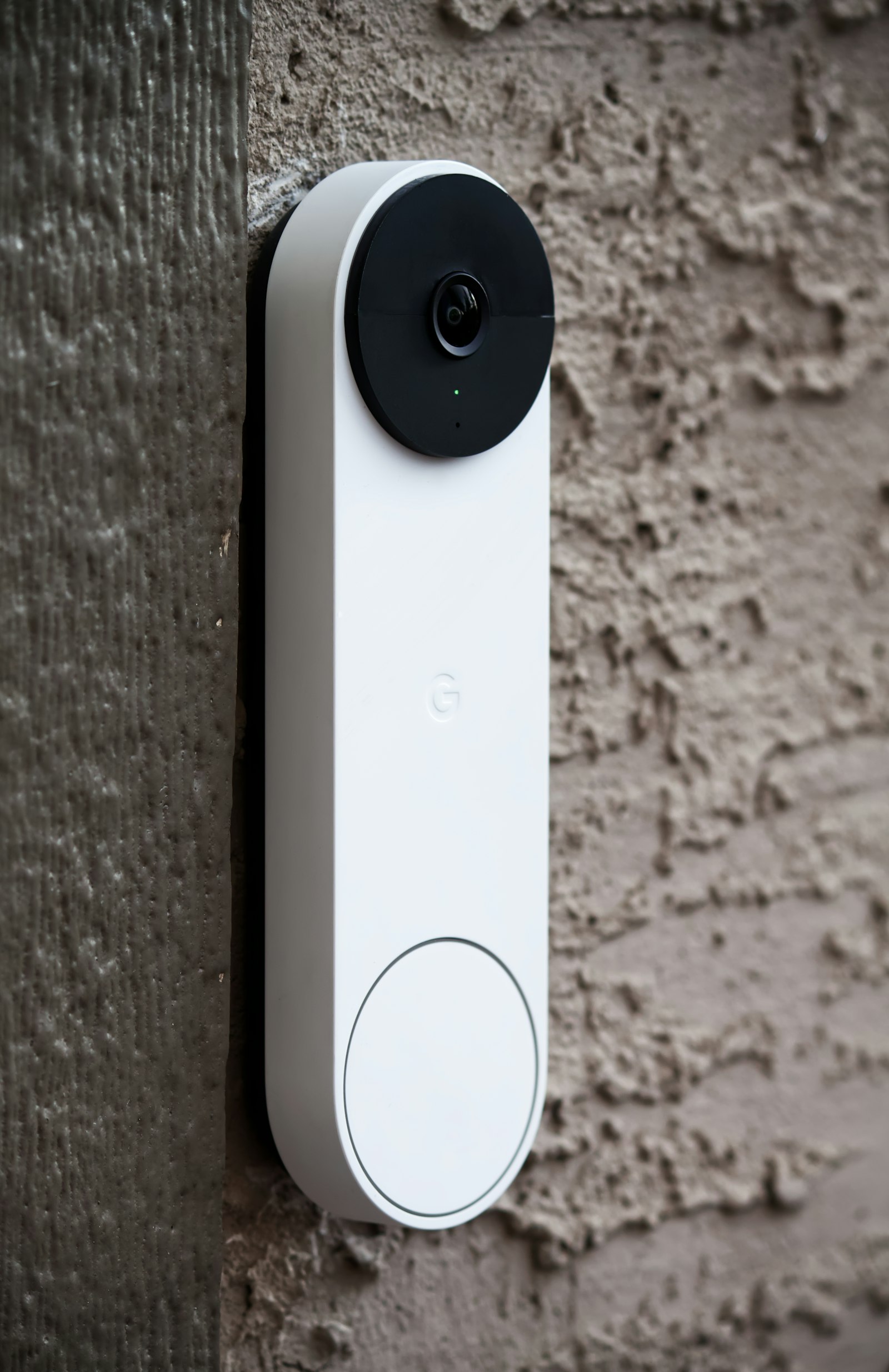
Google sells two current doorbell models, the Nest Doorbell (battery) and Nest Doorbell (wired, 2nd generation), both priced around $179.99-$180. Both models include on-device detection that distinguishes between people, packages, animals, and vehicles without sending video to the cloud first, and both store 3 hours of event-based video history at no cost — the only meaningful free recorded-video tier among the three brands in this comparison.
Nest Aware’s rename and price increase
Google rebranded Nest Aware to Google Home Premium in 2026, restructuring it into Standard and Advanced tiers, and then raised prices sharply shortly after: effective on customers’ first bill after August 15, 2026, the base plan rose 25% from $8 to $10/month ($80 to $100/year), and the higher tier rose 33% from $15 to $20/month ($150 to $200/year). The base plan (formerly Nest Aware) covers 30 days of event video history, Familiar Face tagging, and sound detection (smoke alarm, glass break) across every Nest device in the home for one price — a genuine advantage over Ring and Arlo’s per-camera pricing once you own more than one device. The higher tier adds 60 days of event history plus 10 days of 24/7 continuous video history on wired models.
Nest pros and cons
- Pros: Only brand offering free recorded video history (3 hours) without any subscription, one subscription price covers unlimited Nest devices rather than charging per camera, tightest integration with Google Home and Google Assistant.
- Cons: August 2026 price increase makes it more expensive than Ring at the entry tier, only two doorbell models to choose from versus Ring’s seven, no native Apple HomeKit or Alexa integration for full functionality.
Arlo: Best Video Quality (At a Rising Price)
Arlo built its reputation on genuinely excellent camera hardware, and its video doorbell continues to deliver some of the sharpest image quality in the category — but its subscription pricing has moved more than either competitor’s over the past two years.
Arlo’s doorbell and subscription pricing
Arlo’s video doorbell delivers 1536×1536 resolution with HDR, exceeding the industry-standard resolution most competitors use, and works with Alexa (though not Google Assistant or Apple HomeKit in most configurations). Arlo Secure, the subscription required for recorded clips, AI person/package/animal detection, and 30-day cloud storage, has been raised twice in two years: first from $2.99 to $4.99/month, then again from $4.99 to $7.99/month for the single-camera tier — a roughly 165% total increase. The unlimited-camera Secure Plus tier rose from $9.99 to $17.99/month over the same period and adds emergency response calling. Some older Arlo cameras include seven days of free cloud recording, but this legacy perk isn’t available on newer models, including the current video doorbell.
Arlo pros and cons
- Pros: Best raw video quality and HDR performance of the three brands, unlimited-camera subscription tier is a reasonable value for multi-camera households, local storage option available via an Arlo SmartHub for subscription-free recording.
- Cons: Steepest subscription price increases of the three brands (165% on the single-camera tier since roughly 2024), no free recorded video tier at all, doesn’t integrate with Google Assistant or Apple HomeKit in most setups.
Privacy and Facial Recognition: What Changed With Ring
Beyond pricing, Ring’s biggest 2026 story is a privacy one. In December 2025, Ring launched Familiar Faces, a facial recognition feature that scans and stores a biometric “face print” for anyone who appears on camera, letting owners tag known visitors so the doorbell can identify them by name. The feature is off by default, and it isn’t available at all in Illinois, Texas, or Portland, Oregon, three jurisdictions with strong biometric privacy laws — a signal about the legal risk Ring itself sees in the feature. The concern raised by privacy advocates and lawmakers isn’t really about the doorbell owner; it’s that the feature scans every visitor, delivery driver, and passerby who never consented to anything, which has drawn a federal lawsuit against Amazon over the feature and renewed scrutiny from Senator Edward Markey, who has investigated Ring’s privacy practices since 2019.
Separately, Ring also briefly partnered with Flock Safety, a company that operates a nationwide network of license-plate-reading cameras widely used by police, before canceling that specific partnership in February 2026 following public backlash. Ring still maintains video-sharing partnerships with law enforcement through other channels (including Axon), and police can request footage through the Neighbors app, though Ring users choose whether to share each individual clip. For anyone who wants the strongest available privacy setting, Ring offers end-to-end encryption in the app’s Control Center, which prevents even Ring itself from viewing footage — but enabling it also disables several features, including Familiar Faces, person detection, 24/7 recording, and smart display viewing. Neither Nest nor Arlo has faced comparable facial-recognition controversy in 2026, though all cloud-connected doorbells share the general tradeoff of sending video to a company’s servers rather than keeping it entirely local.
How to Choose the Right Video Doorbell
If you’re an Alexa household or want the widest range of price points and features to choose from, Ring remains the safest default, especially now that its $4.99/month entry subscription undercuts both competitors — just be deliberate about which privacy settings you enable given Familiar Faces and Ring’s law enforcement partnerships. If you’re already invested in Google Home and want a single subscription that covers every Nest device in your house rather than paying per camera, Nest’s unified pricing model still makes sense even after the August 2026 price increase, particularly for households with 2 or more Nest devices. If image quality is your top priority and you don’t mind paying more for it, Arlo’s video doorbell delivers noticeably sharper detail, but budget for a subscription that costs more today than it did even a year ago, with no sign the trend has stopped.
The subscription trend to watch
All three brands have raised subscription prices at some point in the past two years, but the size and frequency differ meaningfully. Arlo’s 165% increase on its cheapest tier is the steepest of the three. Google’s 25-33% increase in August 2026 is more moderate but still substantial, especially on the higher Advanced tier. Ring is currently the outlier — its $4.99/month entry price has held steady while competitors climbed, though nothing guarantees that holds going forward. If subscription cost stability matters as much as the doorbell hardware itself, factor in each brand’s recent pricing history, not just today’s advertised rate.
Related Home Security Guides
A video doorbell is often just one piece of a broader home security setup. For a full alarm system comparison including Ring Alarm alongside ADT, SimpliSafe, and Vivint, see our guide to the best home security systems. If your household also wants oversight of kids’ devices alongside physical security, our comparison of the best parental control apps covers Qustodio, Bark, and the built-in options from Apple and Google. And since video doorbells rely on your home network staying online, our roundup of the best rural internet options is worth checking if connectivity at your address is inconsistent.
Frequently Asked Questions
What is the best video doorbell overall in 2026?
Ring is the best overall choice for most households, offering the widest range of models from $49.99 to $499.99 and the cheapest cloud storage subscription in the category at $4.99/month for a single device.
Did Google Nest raise its subscription prices in 2026?
Yes. Effective on customers’ first bill after August 15, 2026, Google raised Nest Aware (now called Google Home Premium) pricing by 25% on the base tier (from $8 to $10/month) and 33% on the higher tier (from $15 to $20/month).
Does any video doorbell record video without a subscription?
Google Nest is the only one of the three brands compared here that stores any recorded video without a paid subscription — 3 hours of event-based history at no cost. Ring and Arlo doorbells function as live intercoms without a subscription but save no recorded clips.
Why has Arlo’s subscription gotten so much more expensive?
Arlo has raised its cheapest single-camera Secure subscription twice in roughly two years, from $2.99 to $4.99/month and then from $4.99 to $7.99/month, a roughly 165% total increase. The company hasn’t publicly detailed a specific reason for either increase.
What is Ring’s Familiar Faces feature?
Familiar Faces is a facial recognition feature Ring launched in December 2025 that lets owners tag frequent visitors so the doorbell can identify them by name. It’s off by default and unavailable in Illinois, Texas, and Portland, Oregon due to those jurisdictions’ biometric privacy laws, and it has drawn a federal lawsuit and lawmaker scrutiny over its scanning of non-consenting visitors.
Can police access my Ring doorbell footage?
Police can request footage through the Neighbors app, but Ring users choose whether to share each specific clip, and you can opt out of seeing police requests entirely. Ring can share footage without user consent only in what it defines as genuine emergency circumstances. Enabling end-to-end encryption in Ring’s Control Center prevents even Ring itself from accessing your footage, though it disables several other features.
Which video doorbell is best for a multi-camera household?
Google Nest’s subscription model charges one price for unlimited Nest devices in the home, which becomes a better value than Ring or Arlo’s more per-camera-oriented pricing once you own several devices, even after the August 2026 price increase.
Which video doorbell has the best video quality?
Arlo generally delivers the sharpest video quality among the three brands, with 1536×1536 resolution and strong HDR performance, though Ring’s higher-tier models (Battery Doorbell Pro and Wired Doorbell Elite) now also offer 4K resolution.
Does Ring or Nest work better with my smart home setup?
Ring integrates most deeply with Amazon Alexa devices, while Nest integrates most deeply with Google Home and Google Assistant. Arlo works with Alexa but has more limited Google Assistant support and generally lacks full Apple HomeKit compatibility across its lineup.