
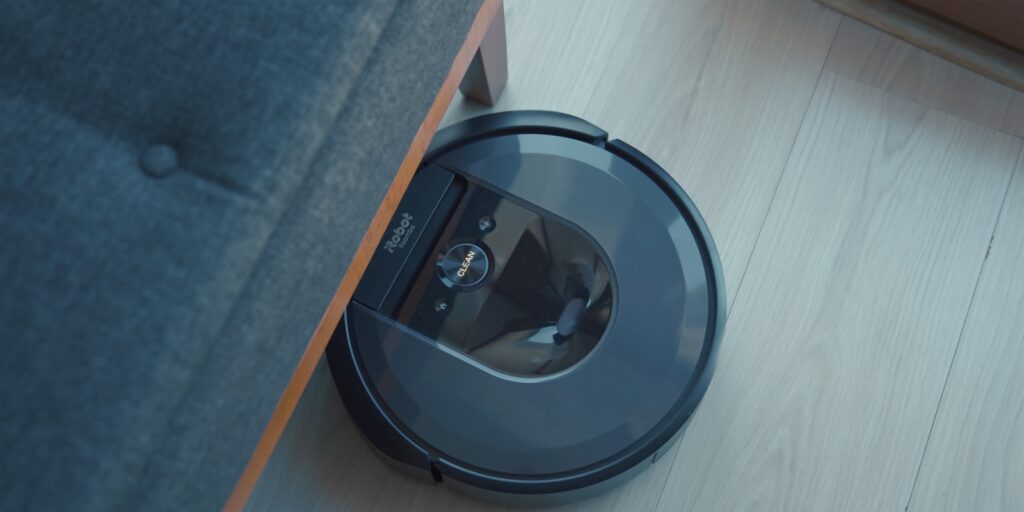
Quick Answer: The best robot vacuum overall in 2026 is the Dreame L60 Ultra PE, named the #1 overall robot vacuum by independent testing outlet Vacuum Wars in July 2026, delivering 30,000Pa suction and a self-cleaning mop for around $999 — dethroning pricier flagships from every major brand. Roborock remains the strongest overall lineup and software experience, with the Saros 10R (22,000Pa, retractable LiDAR) as its flagship. Ecovacs offers the best value at the upper-mid tier after cutting prices up to 45% in April 2026. iRobot, the original Roomba brand, remains viable after a turbulent 2025-2026 that included bankruptcy and an acquisition by Chinese robotics firm Picea in February 2026, followed by an aggressive relaunch including a 35,000Pa flagship.
Key Takeaways
- iRobot filed for administration in 2025 and was acquired by Chinese technology company Picea in February 2026; the company says it’s “operating as before” with no changes to existing models or support, though several classic models have been discontinued.
- iRobot has since accelerated its product cadence dramatically, launching 8 new Roomba models in mid-2026 and unveiling the flagship $1,199 Roomba Max 875 Combo (35,000Pa suction) at IFA 2026 in September.
- Ecovacs cut prices by up to 45% across nine Deebot models in April 2026 after the removal of 2025 trade tariffs, directly passing the savings to US customers.
- Dreame’s L60 Ultra PE, priced around $999, was named the top overall robot vacuum of 2026 by Vacuum Wars, beating pricier flagships from every major competing brand on aggregate testing.
- Suction numbers have become somewhat inflated as a marketing metric — a well-tuned 12,000-16,000Pa robot with good brush design often cleans as effectively in practice as a 30,000Pa+ flagship, so treat suction figures as one data point rather than the deciding factor.
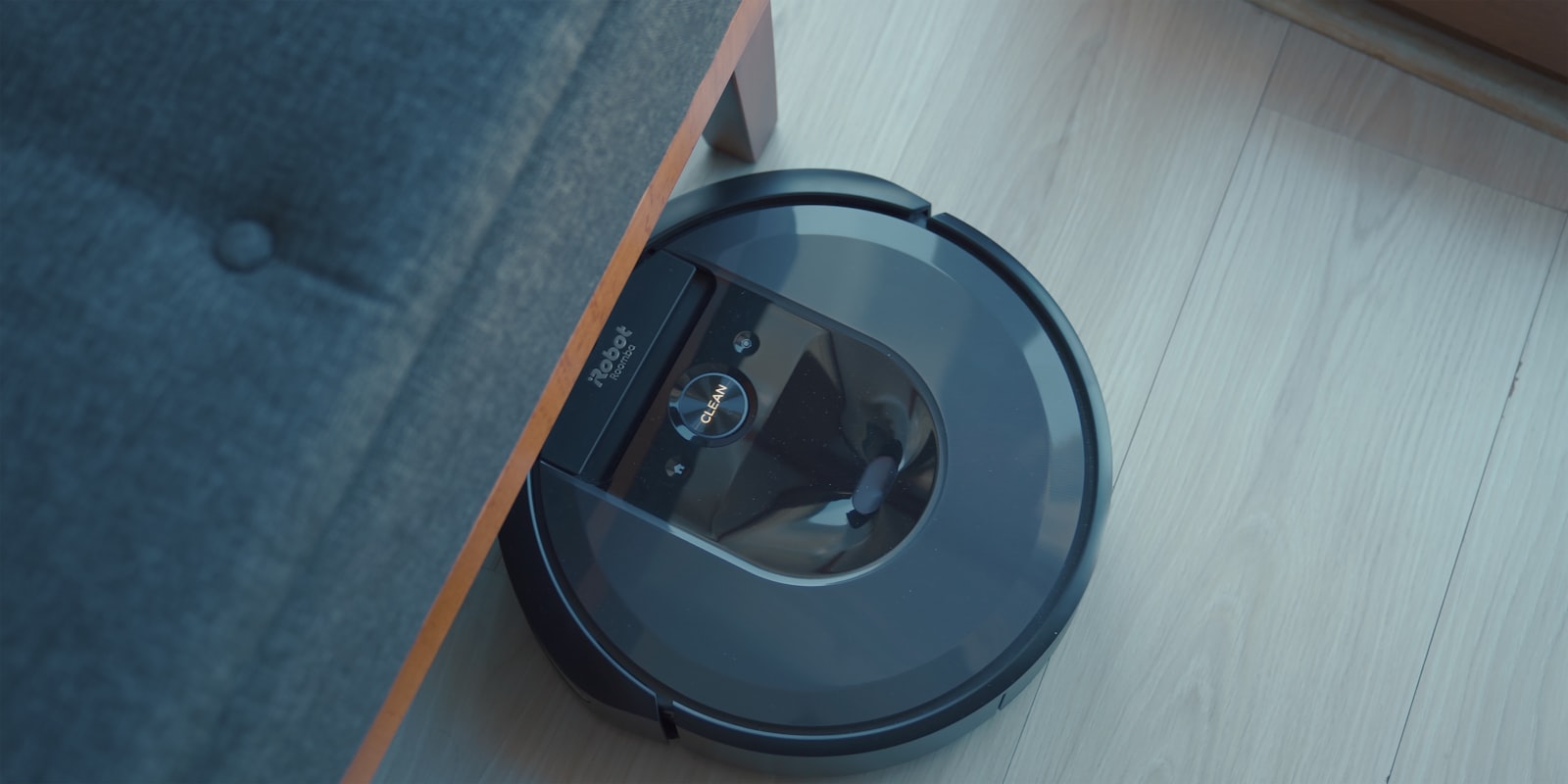
Best Robot Vacuums 2026: Quick Comparison
| Brand | Best For | Starting Price | Flagship Suction |
|---|---|---|---|
| Roborock | Best overall lineup / software | $160 (Q5 Max+) – $1,999 | 22,000Pa (Saros 10R) |
| Ecovacs | Best value at upper-mid tier | $449-$799 (X9 Pro Omni, promo) | 30,000Pa (Deebot T90 Pro Omni) |
| iRobot (Roomba) | Brand recognition, post-acquisition rebuild | $230-$1,199 (Max 875) | 35,000Pa (Roomba Max 875) |
| Dreame | Best price-to-performance flagship | $499-$1,400 | 35,000Pa (X60 Max Ultra) |
All four brands now offer LiDAR navigation, self-emptying docks, and combined vacuum-and-mop functionality across most of their lineup. The real differences show up in software polish, dock automation, and — in iRobot’s case — a genuinely uncertain corporate situation. Here’s the breakdown.
Roborock: Best Overall Lineup
Roborock has built the most consistently well-reviewed software experience in the category, and its lineup spans the widest range of any brand from budget to ultra-premium.
Roborock’s current lineup
At the budget end, the Q5 Max+ costs around $160 and pairs proper LiDAR navigation with a self-empty dock — a combination rarely found this cheap. The Qrevo series covers mid-range and upper-mid buyers with full-featured automated docks at more accessible prices, with the Qrevo S Pro running $430-$550 depending on promotions. At the top, the Saros line represents Roborock’s most advanced automation: the Saros 10R, widely considered the current all-rounder flagship, pairs 22,000Pa suction with a retractable LiDAR that lets the robot slim down to clean under low furniture, plus a FlexiArm that extends the side brush into corners. The Saros Z70 goes further still, adding a robotic arm (OmniGrip) that can physically move small obstacles out of its path.
Roborock’s software and app
Every Roborock model, regardless of price tier, includes app control, an adaptive route algorithm, and third-party voice control integration — meaning even the cheapest current Roborock offers intelligent navigation and scheduling. Independent testing consistently ranks Roborock’s app among the best in the industry for responsiveness and the granularity of controls, including room-specific suction settings, no-go zones, and multi-floor mapping.
Roborock pros and cons
- Pros: Widest price range and most complete lineup of any brand, best-reviewed app and software experience, retractable LiDAR and robotic arm features unique to the Saros line.
- Cons: Flagship Saros models are among the most expensive in the category, some models have shown weaker mopping performance relative to their vacuuming scores in independent testing, premium features come at a steep price jump from the mid-range.
Ecovacs: Best Value at the Upper-Mid Tier
Ecovacs consistently undercuts Roborock and iRobot at comparable suction and feature levels, and a proactive 2026 price cut made its flagship lineup even more competitive.
Ecovacs’s April 2026 price cuts
In April 2026, Ecovacs reduced prices by up to 45% across nine Deebot models, citing the removal of 2025 trade tariffs as the reason, and framing the move as passing savings directly to US consumers rather than keeping the margin. The flagship Deebot X9 Pro Omni, originally priced at $1,299.99, has since been seen at $449-$899 depending on the retailer and promotional period — a substantial and sustained discount from its original MSRP rather than a one-time flash sale.
Ecovacs’s flagship features
The Deebot X9 Pro Omni delivers 16,600Pa suction combined with an OZMO roller mop that self-washes with fresh water in real time, along with AIVI 3D 3.0 navigation for obstacle avoidance and TruEdge 2.0 technology for improved edge cleaning. The OMNI docking station handles hot-water mop washing, hot-air drying, auto-emptying, and automatic cleaning-solution dispensing. Ecovacs has since pushed further with the Deebot T90 Pro Omni, reaching 30,000Pa suction alongside similar automation features.
Ecovacs pros and cons
- Pros: Best price-to-suction ratio in the category after April 2026’s price cuts, fully automated dock features comparable to pricier Roborock models, strong obstacle avoidance in independent testing.
- Cons: Some users have reported customer support experiences less consistent than Roborock or iRobot, community reports of review authenticity concerns on major retail platforms, software polish generally rated a step behind Roborock’s.
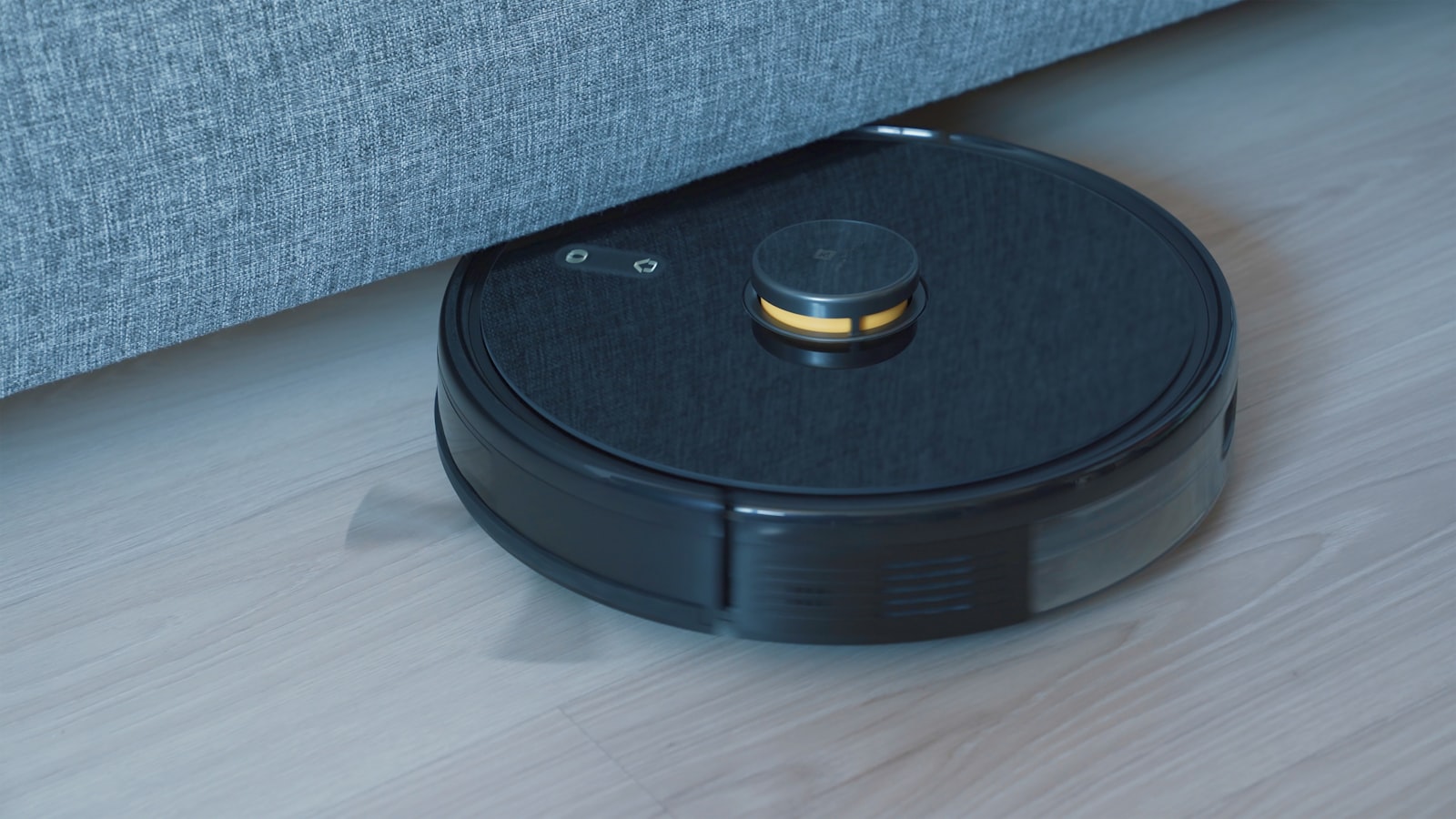
iRobot: The Brand Behind Roomba, Post-Acquisition
iRobot invented the mainstream robot vacuum category with the original Roomba, but 2025-2026 has been the most turbulent period in the company’s history — worth understanding before buying into the brand today.
Bankruptcy and the Picea acquisition
iRobot went into administration in 2025 after years of financial difficulty, and was acquired by major Chinese technology company Picea in February 2026. When contacted directly, iRobot confirmed it will be “operating as before,” stating there are “no changes to existing models or our support of them.” In practice, several classic iRobot models, including the J9+ Combi and the i3, have been quietly discontinued and taken out of circulation since the acquisition, even as the company has accelerated new product launches.
iRobot’s aggressive 2026 relaunch
Under Picea’s ownership, iRobot has moved unusually fast: it launched 8 new Roomba models in a single announcement in mid-2026, spanning the affordable Roomba 115 (designed for apartments, up to 15,000Pa suction) through the Roomba Plus series (415 through 675 Combo, 20,000-30,000Pa suction). At IFA 2026 in Berlin (September 2026), iRobot unveiled its most aggressive flagship yet: the $1,199 Roomba Max 875 Combo, delivering 35,000Pa of suction — the highest the company has ever offered — using new SealForce Vacuuming Technology that lowers a concealed skirt to create a tighter seal against carpet fibers. A lower-priced Roomba Plus 678 Combo, at $899, shares much of the same hardware with a slightly different feature set.
iRobot pros and cons
- Pros: Strongest brand recognition in the category, new SealForce technology delivers genuinely higher suction than prior iRobot generations, accelerated product cadence under new ownership suggests continued investment rather than managed decline.
- Cons: The 2025 bankruptcy and ownership change introduces real uncertainty about long-term software support and parts availability, several previously available models have been discontinued with little notice, newest flagship models are too recent for extensive independent long-term reliability data.
Dreame: Best Price-to-Performance Flagship
Dreame has moved fastest of any brand on raw mobility engineering, and its most recent value flagship has actually topped independent aggregate rankings ahead of pricier competitors.
Dreame’s L60 and X-series lineup
The Dreame L60 Ultra PE, priced around $999, delivers 30,000Pa Vormax suction, dual anti-tangle rollers, and a 212°F hot-water mop self-cleaning dock that also handles drying, refilling, and dust emptying. In July 2026, independent testing outlet Vacuum Wars named it the #1 Best Overall robot vacuum, a notable result since it undercuts and outperforms pricier flagships in Dreame’s own lineup, let alone competing brands. At the top of Dreame’s range, the X60 Max Ultra Complete (unveiled at CES 2026) combines 35,000Pa suction with an ultra-thin 3.13-inch body and ProLeap retractable legs that physically lift the robot over obstacles up to 2.36 inches, including raised door thresholds that stop most competing robots cold.
Dreame’s tradeoffs
Dreame’s aggressive release cadence — with L40, L40s, L50, L60, X50, and X60 generations all launched within roughly two years — means the lineup can be genuinely confusing, with newer and older generations frequently on sale simultaneously. The Dreamehome app is generally considered to lag behind Roborock’s in UI polish and map-editing responsiveness, and Dreame’s US customer support footprint remains smaller than Roborock’s or Ecovacs’s. Edge cleaning has also been inconsistent on some models, though this has been resolved on newer units like the L50 Ultra with its Dual Flex Arm design.
Dreame pros and cons
- Pros: L60 Ultra PE currently ranks as the best overall value flagship in independent aggregate testing, ProLeap leg technology solves raised-threshold problems no competitor fully addresses, generally the most aggressive suction-per-dollar in the category.
- Cons: Confusing lineup with frequent, overlapping generational releases, app experience lags behind Roborock, smaller US support infrastructure than the more established brands.
How to Choose the Right Robot Vacuum
If you want the single best value flagship based on independent aggregate testing, Dreame’s L60 Ultra PE is currently the strongest pick, provided you’re comfortable with a smaller support network and a somewhat less polished app than Roborock’s. If you want the most complete lineup and best-reviewed software experience, and you’re comfortable paying a premium for the latest automation features, Roborock’s Saros line remains the safest choice, with the Q5 Max+ as a genuinely capable budget entry point from the same brand. If value is your top priority and you’re comfortable buying from a brand with a somewhat less polished app, Ecovacs’s post-price-cut Deebot lineup delivers comparable suction and automation to pricier competitors for meaningfully less money. If brand familiarity and the Roomba name matter to you, iRobot’s new lineup under Picea ownership is genuinely more capable than its recent predecessors, but go in aware of the 2025 bankruptcy and ownership change.
What actually matters more than suction numbers
Marketed suction figures have climbed dramatically — from roughly 10,000Pa flagship models just two years ago to 35,000Pa today — but independent testing consistently shows that navigation quality, brush design, and mop-cleaning mechanics matter more for real-world results than the suction number alone. A well-tuned 12,000-16,000Pa robot with effective edge cleaning and a well-designed dock can outperform a poorly tuned 30,000Pa+ model on actual carpet and hard-floor tests. Use suction as one data point among several — obstacle avoidance accuracy, mop hygiene (whether it self-washes with hot water), and dock reliability collectively matter more than the number printed on the box.
Threshold-climbing and mobility: does it matter for your home?
Retractable-leg technology like Dreame’s ProLeap and slimming designs like Roborock’s retractable LiDAR chassis solve a genuinely common frustration: robots getting stuck on raised door thresholds, sliding-door tracks, or thick rugs. If your home has single-story open flooring with minimal thresholds between rooms, this feature matters much less, and a simpler, cheaper model will perform just as well day to day. If you have multiple raised thresholds, thick carpets abutting hard floors, or furniture with very low clearance, prioritizing a model with proven threshold-climbing or slim-profile navigation will meaningfully reduce how often the robot gets stuck and needs manual rescue.
Related Home Technology Guides
A robot vacuum is one piece of a broader smart home setup. If you’re also automating your front door, our comparisons of the best smart locks and best video doorbells cover the other major smart-home categories most households add next. And since a robot vacuum depends on a stable home network to receive scheduling commands and software updates, our guide to the best mesh WiFi systems is worth checking if your coverage has dead zones.
Frequently Asked Questions
What is the best robot vacuum overall in 2026?
The Dreame L60 Ultra PE was named the #1 overall robot vacuum by independent testing outlet Vacuum Wars in July 2026, beating pricier flagships from every major brand. Roborock’s Saros line remains the strongest choice for buyers who prioritize software polish and brand support above pure value.
Did iRobot go bankrupt?
Yes. iRobot went into administration in 2025 and was acquired by Chinese technology company Picea in February 2026. The company states it’s “operating as before” with no changes to existing models or support, though several previously available models have since been discontinued.
Is it safe to buy a Roomba after the iRobot acquisition?
iRobot’s own current products continue to function and receive support, and the company has actually accelerated its product launches under Picea’s ownership, including a new flagship at IFA 2026. However, the ownership change introduces some genuine uncertainty about long-term software support and parts availability that buyers should weigh, especially for older discontinued models.
Why did Ecovacs cut prices so much in 2026?
Ecovacs reduced prices by up to 45% across nine Deebot models in April 2026, citing the removal of 2025 trade tariffs that had previously elevated pricing for US consumers. The company framed the move as passing tariff savings directly back to customers rather than retaining the margin.
Do I need a robot vacuum with 30,000Pa+ suction?
Not necessarily. Independent testing shows that navigation quality, brush design, and mop mechanics often matter more for real-world cleaning results than raw suction numbers. A well-designed 12,000-16,000Pa robot can outperform a poorly tuned model with much higher advertised suction.
What’s the difference between LiDAR and camera-based navigation?
LiDAR uses laser mapping to build a precise floor plan and works well in the dark, making it best for systematic, efficient room-by-room cleaning. Camera-based (AI vision) navigation is better at identifying and dodging specific obstacles like cables, socks, and pet messes. The most capable robots combine both technologies.
How much should I expect to pay for a good robot vacuum in 2026?
A genuinely capable robot with LiDAR navigation and a self-emptying dock starts around $230-$250. Full vacuum-and-mop combo units with automated docks generally run $400-$700 for strong mid-range options, while flagship models with the latest obstacle-climbing and self-cleaning features run $900-$1,600.
What is ProLeap and why does it matter?
ProLeap is Dreame’s retractable-leg technology that physically lifts the robot over obstacles up to 2.36 inches, including raised door thresholds and sliding-door tracks that stop most other robot vacuums. It’s most useful in homes with multiple raised transitions between rooms; single-story homes with flush flooring benefit from it much less.
Do robot vacuums work well on both carpet and hard floors?
Most current mid-range and flagship models handle both floor types well, automatically detecting carpet and adjusting suction or lifting the mop pad to avoid wetting rugs. Budget models under roughly $200 sometimes handle this transition less reliably, so check for automatic carpet detection specifically if your home has mixed flooring.