

Quick Answer: Affiliate marketing artificial intelligence in 2026 touches nearly every part of the job: AI predicts which products will trend before competitors notice, automates ad copy and creative testing, scores traffic quality to catch fraud, and models multi-touch attribution now that third-party cookies are unreliable. Industry research puts AI adoption at 96-97% among affiliate marketers and brands, meaning the real competitive edge in 2026 isn’t whether you use AI, it’s whether you use it well enough to still sound like a real person your audience trusts.
Affiliate marketing used to reward whoever could write the most content and build the most links. That’s changing fast. Affiliate marketing artificial intelligence now handles a huge share of the research, testing, and optimization work that used to eat up an affiliate’s entire week, which means the affiliates pulling ahead in 2026 aren’t necessarily the ones working hardest, they’re the ones who’ve automated the repetitive parts and put their saved time into building genuine trust and authority.
How AI Is Changing Affiliate Marketing in 2026
AI now touches nearly every major affiliate function, not just content writing. The clearest shifts:
- Predictive niche and product research. AI platforms can flag which products are likely to trend months before competitors spot the opportunity, based on search, social, and sales-signal data most humans can’t track manually.
- Automated creative generation. Ad copy, images, and even short video get generated and tested at scale, letting affiliates run more variations than manual production ever allowed.
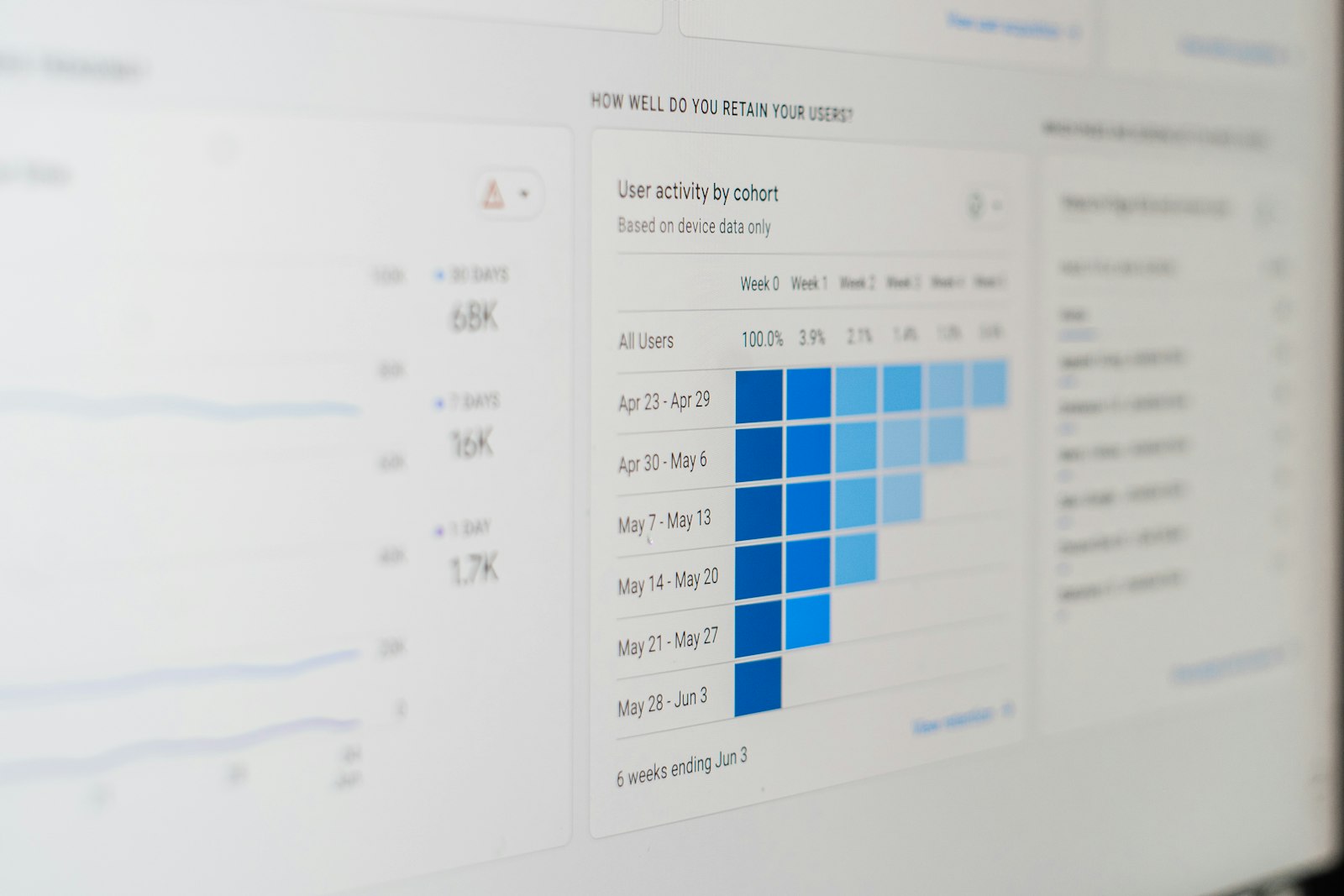
- Smarter attribution. With third-party cookies unreliable, AI-powered multi-touch attribution gives affiliates a cleaner picture of what’s actually driving a conversion across a customer’s full journey.
- Fraud and bot detection. Behavioral scoring models now replace static blacklists, catching sophisticated bot traffic and click fraud in real time instead of after the damage is done.
- Automated bidding and budget allocation. For affiliates running paid traffic, machine learning now handles dayparting and bid adjustments that used to require constant manual monitoring.
Best AI Tools for Affiliate Marketing in 2026
- ChatGPT / Claude / Copy.ai — content drafting, product description writing, and email sequence generation for affiliate campaigns.
- Surfer SEO / Frase — SEO optimization that checks affiliate content against what’s already ranking for a given product or comparison keyword.
- Voluum / RedTrack / Binom — AI-assisted ad trackers that handle attribution, automated bidding, and traffic-source analysis at scale.
- AdSpy / PiPiADS / Anstrex — competitive intelligence tools that use AI to surface which ads and offers are currently performing across the affiliate ecosystem.
- Lumen5 — turns written content into short video automatically, useful for affiliates repurposing blog reviews into social video.
- ClickFunnels / Instapage — landing page builders with AI-assisted copy and layout suggestions built in for higher-converting funnels.
Most successful affiliates don’t run all of these at once. The realistic starting stack is one AI writing tool, one tracker, and one SEO optimization tool, adding fraud detection or competitive intelligence tools once volume justifies the cost.
Using AI Without Losing Reader Trust
The biggest risk in affiliate marketing artificial intelligence isn’t the technology, it’s overusing it in ways that erode the trust affiliate income actually depends on. A few practical guardrails:
- Use AI for research and repurposing, not the core review itself. Several successful affiliates specifically avoid using AI to write the actual product opinion, since firsthand experience is what readers and search engines increasingly reward over generic AI summaries.
- Disclose AI use where it matters. If a comparison table or spec sheet is AI-assembled, saying so costs nothing and builds more trust than pretending every word was manually researched.
- Keep a real product or account you actually use. No AI tool can substitute for genuinely testing a product, and reviews built entirely from AI-summarized competitor content are getting easier for both readers and Google to spot.
- Watch for AI-generated content saturation in your niche. As more affiliates lean on the same tools, differentiation increasingly comes from real experience, unique data, and a recognizable voice, not from having AI either.
AI and Affiliate SEO: What’s Actually Changed
Search itself has shifted with AI Overviews and chatbot-based answers pulling from the web directly, which changes what makes affiliate content rank and get clicked:
- Intent and expertise now outweigh pure keyword density. SEO strategies for affiliates are shifting from keyword-first to intent and expertise-led approaches to account for how AI search actually parses and ranks content.
- Comparison and “vs” content still performs when it includes specifics AI summaries tend to skip: pricing nuances, edge cases, and genuine trade-offs between options.
- First-party data matters more as targeting gets harder. Privacy changes and cookie phase-outs are pushing affiliates to build email lists and direct audience relationships instead of relying purely on search or paid traffic.
Common Mistakes When Adopting AI for Affiliate Marketing
- Chasing every new AI tool instead of mastering a few. Testing one or two tools thoroughly before adding more avoids the wasted time and subscription costs of tool-hopping.
- Letting AI pick offers without checking product fit. A trending product an AI tool surfaces still needs a real audience match, or conversions stay weak regardless of how well-timed the promotion is.
- Publishing unedited AI reviews. Readers and search engines are both getting better at recognizing generic, unedited AI content, which now actively hurts rather than helps affiliate rankings.
- Ignoring compliance. AI-generated claims about a product’s benefits still need to meet FTC disclosure rules and platform advertising policies; automation doesn’t remove that responsibility.
- Over-automating outreach. Fully automated affiliate partnership pitches or influencer outreach tend to convert far worse than personalized messages, even a lightly AI-assisted one edited by a real person.
Getting Started with Affiliate Marketing Artificial Intelligence: Step by Step
- Pick one bottleneck first. Instead of adopting AI everywhere at once, identify what’s actually slowing you down, content production, product research, or ad testing, and start there.
- Test before committing to a paid tool. Most AI platforms offer a free trial or tier; run real campaigns through it before locking into an annual plan.
- Build a simple AI-assisted content workflow. Use AI for outlines and first drafts, then personally add real product experience, screenshots, and specific details before publishing.
- Add tracking and attribution once volume justifies it. A tool like Voluum or RedTrack pays for itself once you’re running enough traffic that manual attribution becomes unreliable.
- Layer in fraud detection last. This matters most once you’re running paid traffic or working with multiple sub-affiliates, less so for a single content-driven site in its early stages.
AI Affiliate Programs Worth Considering
Beyond using AI as a tool, many affiliates are now also promoting AI products themselves, since the category is expanding fast. A few guardrails matter here specifically:
- Avoid promoting too many overlapping AI tools to the same audience; overloading readers with unrelated AI offers reduces trust faster than almost any other affiliate mistake.
- Match the product to genuine audience fit rather than chasing the highest commission rate, since AI tools often require real explanation and a mismatched audience converts poorly regardless of payout.
- Invest in educational content for AI products specifically, since many require walkthroughs or comparisons to convert, unlike simpler consumer products that need less explanation.
- Prioritize conversion consistency over headline commission size. The affiliate program offering the highest payout isn’t automatically the best choice if its actual conversion rate is weak.
Affiliate Marketing AI by Business Model
Content and Review Sites
AI speeds up outlining, competitor research, and first drafts, but the review itself, the actual opinion and experience, still needs to come from genuine product use to hold up against both reader scrutiny and Google’s growing skepticism of AI-generated reviews.
Influencer-Affiliate Hybrids
As influencer and affiliate roles increasingly blend together, AI helps most with repurposing one piece of content across formats and channels, letting a single creator maintain a consistent presence on multiple platforms without a full production team.
Paid Traffic Affiliates
Affiliates running ad spend get the most direct return from AI in automated bidding, creative testing, and fraud detection, since these functions were already data-heavy and repetitive even before AI tools existed to handle them.
Email and Community-Based Affiliates
AI assists with segmentation and personalized send-time optimization, similar to broader email marketing use cases, but the actual relationship-building that drives affiliate conversions in a community setting still depends on a real, consistent human presence.
Measuring Whether AI Is Actually Helping Your Affiliate Business
Adopting affiliate marketing artificial intelligence tools is only worthwhile if it shows up in real numbers, not just time saved on paper. Track these before and after adopting a new tool:
- Content production time per piece, to confirm AI drafting is genuinely cutting hours rather than just shifting where the time goes into heavier editing.
- Conversion rate on AI-assisted vs. fully manual content, since a drop here signals the AI-assisted version is losing the authenticity that drives affiliate clicks.
- Traffic quality scores from your tracker, especially after adding fraud detection, to confirm you’re not paying for or reporting on bot-inflated numbers.
- Attribution accuracy, comparing what an AI-powered multi-touch model shows against your gut sense of what’s driving sales, since a large mismatch usually means the model needs more data or better configuration.
Affiliates who skip this measurement step often keep paying for AI tools well past the point where they’re delivering a real return, simply because the tools feel productive even when the numbers don’t back that up.
Frequently Asked Questions
Is AI replacing affiliate marketers?
No — AI is replacing the repetitive research, testing, and optimization work, but the trust, firsthand product experience, and audience relationships that actually drive affiliate income still require a real person behind the content.
What’s the best AI tool to start with for affiliate marketing?
A general writing assistant like ChatGPT or Claude for content drafting, paired with an SEO tool like Surfer SEO, covers the highest-impact use cases for most affiliates before adding specialized trackers or fraud-detection tools.
Does using AI content hurt affiliate SEO rankings?
Unedited, generic AI content increasingly underperforms because search engines and AI Overviews favor pages with genuine expertise and firsthand experience; AI-assisted content that’s edited and enriched with real insight performs fine.
How is AI changing affiliate fraud detection?
Behavioral scoring models now analyze traffic patterns in real time to catch sophisticated bot traffic and click fraud, replacing older static blacklist approaches that couldn’t keep up with newer fraud tactics.
Should affiliates disclose AI use to their audience?
Disclosing where AI assisted, such as in data compilation or first-draft structure, builds trust rather than risking it, especially as audiences grow more skeptical of AI-generated reviews they can’t verify as genuine.
How many affiliates are actually using AI in 2026?
Industry research from Impact’s State of Affiliate Marketing report found 96% of affiliate creators and 97% of brands have integrated AI tools into their workflows, making it closer to a baseline expectation than a competitive edge on its own.
Can AI find profitable affiliate niches automatically?
AI can surface trending products and micro-niches earlier than manual research would, using search and social signal data, but validating real demand and audience fit still requires human judgment before committing time to a niche.
Affiliate marketing artificial intelligence has moved from a nice-to-have into the baseline expectation for staying competitive, with adoption rates now above 95% among serious affiliates and brands. The differentiator in 2026 isn’t access to AI tools, nearly everyone has that, it’s using them to remove repetitive work while keeping the real experience, judgment, and trust that AI still can’t fake. For the wider toolkit, see our guide to the best AI tools for affiliate marketing, and pair your affiliate content strategy with solid keyword research and a repeatable content creation system to keep your pages competitive as AI search continues to reshape what ranks.