
Introduction
Cancer is one of the most serious health conditions affecting millions of people worldwide. While medical science has made great progress in treatment, early detection remains one of the most powerful tools in fighting the disease. Many cancers show warning signs before they become advanced, but these symptoms are often mild and easy to overlook.
Understanding what are 20 warning signs of cancer can help individuals recognize unusual changes in their bodies and seek medical advice sooner. Early diagnosis significantly increases the chances of successful treatment and recovery.
It is important to remember that these symptoms do not always mean cancer is present. Many other health conditions can cause similar signs. However, if any symptom persists for several weeks or worsens over time, medical evaluation is strongly recommended.
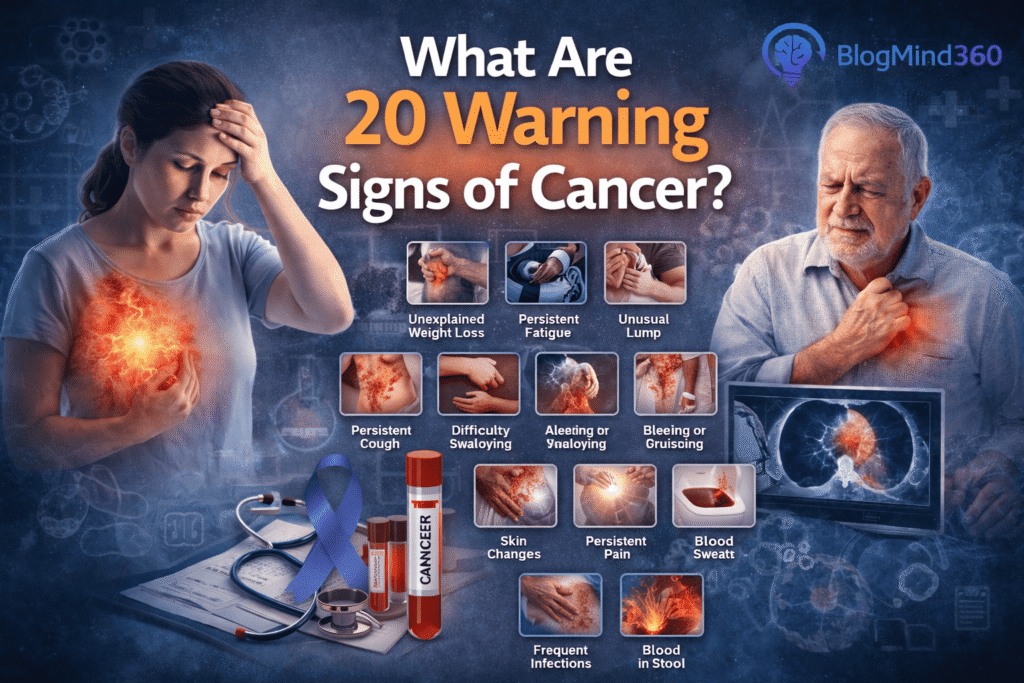
Below are twenty warning signs that may indicate cancer and should not be ignored.
- Unexplained Weight Loss
Unexpected weight loss without changes in diet or physical activity can sometimes be an early sign of cancer. Many cancers affect metabolism and cause the body to burn energy differently. Cancers of the pancreas, stomach, lungs, and esophagus are commonly associated with sudden weight loss.
- Persistent Fatigue
Feeling tired occasionally is normal, but fatigue that does not improve with rest may signal an underlying health problem. Cancer related fatigue often occurs because the body is using extra energy to fight abnormal cell growth.
- Unusual Lumps or Swelling
One of the most recognizable warning signs of cancer is a lump that appears without a clear cause. Lumps may develop in areas such as the breast, neck, testicles, or underarms. While many lumps are harmless, any new growth should be examined by a doctor.
- Persistent Pain
Pain that continues for several weeks without a clear explanation may be related to cancer. Tumors can press against nerves, bones, or organs, leading to ongoing discomfort.
- Changes in Skin Appearance
Skin changes may be an early sign of certain cancers. These changes may include new moles, changes in the size or color of existing moles, unusual dark spots, redness, or sores that do not heal.
- Persistent Cough or Hoarseness
A cough that lasts longer than three weeks may indicate lung or throat cancer. Hoarseness or voice changes that persist may also signal a tumor affecting the vocal cords or surrounding tissues.
- Difficulty Swallowing
Trouble swallowing food or liquids can be associated with cancers of the throat, esophagus, or stomach. This symptom often develops gradually and may worsen over time.
- Changes in Bowel Habits
Long lasting changes in bowel habits such as persistent diarrhea, constipation, or changes in stool size may be warning signs of colorectal cancer.
- Blood in Stool
Blood appearing in stool may indicate issues in the digestive system. While hemorrhoids are a common cause, it can also be a symptom of colorectal cancer and should always be investigated.
- Unusual Bleeding
Unexpected bleeding can occur in several types of cancer. Examples include blood in urine, coughing up blood, abnormal vaginal bleeding, or bleeding between menstrual cycles.
- Frequent Infections
Some cancers, particularly blood cancers such as leukemia, weaken the immune system. This can lead to frequent infections that occur more often than usual.
- Persistent Indigestion
Long lasting indigestion or stomach discomfort may be related to cancers affecting the stomach or digestive system.
- Difficulty Breathing
Shortness of breath or difficulty breathing may occur when tumors affect lung function or reduce oxygen supply.
- Night Sweats
Excessive sweating during sleep without obvious cause can sometimes be associated with certain cancers such as lymphoma.
- Swollen Lymph Nodes
Lymph nodes are part of the immune system and may swell when the body fights infection. However, painless swelling that lasts for several weeks may be a sign of lymphoma or other cancers.
- Changes in Breast Appearance
Changes in breast size, shape, or skin texture may indicate breast cancer. Other signs include nipple discharge, redness, or dimpling of the skin.
- Persistent Headaches
Headaches that become more frequent or severe over time may be associated with brain tumors, especially when accompanied by nausea or vision changes.
- Changes in Urination
Painful urination, frequent urination, or blood in urine may indicate cancers affecting the bladder, prostate, or kidneys.
- Mouth Sores That Do Not Heal
Sores or ulcers in the mouth that persist for several weeks may be an early sign of oral cancer.
- Sudden Loss of Appetite
Loss of appetite without clear explanation may occur when cancer affects digestion or metabolism. Many individuals with stomach or pancreatic cancer experience reduced appetite.
When to See a Doctor
Experiencing one of these symptoms does not automatically mean a person has cancer. Many symptoms are caused by common health conditions.
However, medical evaluation is recommended if:
Symptoms persist for more than two to three weeks
Symptoms worsen over time
Multiple symptoms appear together
Unexplained weight loss or bleeding occurs
Early consultation with a healthcare professional allows proper testing and diagnosis.
The Importance of Early Detection
Cancer survival rates improve significantly when the disease is diagnosed early. Routine screenings such as mammograms, colonoscopies, and Pap tests help detect cancer before symptoms even appear.
Maintaining awareness of body changes and attending regular health checkups are essential steps in protecting long term health.
Understanding what are 20 warning signs of cancer helps individuals become more aware of potential health concerns and take action when necessary.
Understanding Why Cancer Warning Signs Appear
Cancer symptoms do not appear randomly. They develop because abnormal cells begin to interfere with normal body functions. When cancer cells multiply, they may form tumors that press against nearby organs, nerves, or blood vessels. In other cases, cancer affects the immune system, metabolism, or hormone balance.
This is why many warning signs of cancer appear gradually rather than suddenly. The body tries to adapt to internal changes, but over time these changes become noticeable.
Understanding how these symptoms develop helps people recognize when something unusual may require medical attention. The following warning signs often appear when cancer begins affecting specific organs or body systems.
- Chronic Fever Without Infection
A persistent fever that occurs without an obvious infection can sometimes indicate cancer. Certain cancers, especially blood cancers such as leukemia or lymphoma, can trigger the immune system and cause repeated fevers.
This type of fever may come and go over time and is often accompanied by fatigue or night sweats.
- Persistent Back Pain
Back pain is extremely common and usually related to muscle strain or posture. However, back pain that continues for weeks without improvement may indicate deeper issues.
Some cancers such as pancreatic cancer, kidney cancer, or bone cancer can cause pain in the back as tumors grow and press against surrounding tissues.
If back pain is severe, persistent, or occurs with other symptoms like weight loss, medical evaluation is recommended.
- Difficulty Eating or Feeling Full Quickly
Feeling full after eating only small amounts of food can sometimes signal stomach or ovarian cancer. Tumors in the digestive system may affect how the stomach processes food or cause pressure within the abdomen.
People experiencing this symptom may also notice bloating or abdominal discomfort after meals.
- Changes in Voice
A voice that becomes hoarse or changes noticeably for several weeks may be related to throat or thyroid cancer.
When tumors affect the vocal cords or nearby nerves, the sound of the voice may become weaker, rougher, or strained.
Persistent hoarseness should always be evaluated by a healthcare professional.
- Unusual Bruising
Bruising that appears frequently without injury may indicate problems with blood cells.
Certain cancers such as leukemia affect the bone marrow where blood cells are produced. When normal blood cell production is disrupted, the body may bruise more easily.
Individuals may also notice small red or purple spots under the skin known as petechiae.
- Abdominal Swelling
Unexplained swelling or bloating in the abdomen may be a warning sign of ovarian cancer or other abdominal cancers.
This swelling often feels persistent and may be accompanied by discomfort or pressure in the stomach area.
Unlike temporary bloating caused by diet, cancer related swelling does not go away easily.
- Persistent Heartburn
Occasional heartburn is common, but chronic heartburn that continues for weeks may signal esophageal cancer or stomach cancer.
When tumors affect the digestive tract, they may interfere with normal digestion and cause burning sensations in the chest or throat.
Persistent heartburn that does not improve with medication should be examined by a doctor.
- Vision Changes
Vision problems such as blurred vision, double vision, or partial vision loss may sometimes occur with brain tumors.
These changes happen when tumors affect areas of the brain responsible for vision or increase pressure inside the skull.
While vision problems can have many causes, sudden or persistent changes should be medically evaluated.
- Unexplained Bone Pain
Bone pain that does not improve with rest may indicate cancers that affect bones or cancers that have spread to the skeletal system.
This pain often becomes worse at night and may gradually increase in intensity.
Bone cancer and certain advanced cancers can cause persistent deep aching sensations in affected bones.
- Difficulty Breathing During Normal Activities
Shortness of breath during mild activities may occur when lung cancer interferes with normal lung function.
Tumors in the lungs can reduce airflow or cause fluid buildup around the lungs, making breathing more difficult.
Persistent breathing problems should always be evaluated by a medical professional.
- Chronic Headaches
Headaches that occur frequently and gradually worsen may indicate pressure within the brain caused by tumors.
These headaches may be more severe in the morning and may be accompanied by nausea, vomiting, or vision disturbances.
Brain related symptoms should always be taken seriously.
- Persistent Coughing Up Blood
Coughing up blood is a serious symptom that requires immediate medical attention.
Although infections can sometimes cause this symptom, it may also indicate lung cancer or other serious lung conditions.
Even small amounts of blood should be evaluated by a healthcare provider.
- Swelling in the Neck
Swelling in the neck may occur when lymph nodes enlarge due to infection or cancer.
Persistent swelling that lasts longer than several weeks may indicate lymphoma or cancers affecting nearby organs.
Doctors often examine enlarged lymph nodes to determine the underlying cause.
- Painful Urination
Pain or burning during urination may indicate bladder or prostate cancer, particularly when accompanied by blood in urine.
These symptoms are also common in infections, so medical testing is needed to determine the exact cause.
- Persistent Ear Pain
Chronic ear pain that does not respond to treatment may indicate cancers affecting the throat or nearby areas.
This occurs because nerves connected to the throat also transmit pain signals to the ear.
- Changes in Nail Appearance
Unusual changes in nails may sometimes indicate underlying health problems.
For example, dark streaks under nails may be associated with certain types of skin cancer.
While nail changes often have harmless causes, persistent abnormalities should be evaluated.
- Severe Unexplained Fatigue
Although fatigue was mentioned earlier, severe exhaustion that interferes with daily activities is a significant warning sign.
Cancer related fatigue often feels overwhelming and may occur even after adequate sleep.
This symptom is particularly common in blood cancers and advanced cancers.
- Persistent Mouth Pain
Pain inside the mouth that continues for weeks may signal oral cancer.
White patches, red patches, or sores that do not heal are important warning signs.
Tobacco use and heavy alcohol consumption increase the risk of oral cancer.
- Unexplained Hormonal Changes
Some cancers produce hormones that cause unusual symptoms in the body.
For example, certain tumors may lead to unexpected weight gain, mood changes, or skin changes due to hormone imbalance.
Hormonal symptoms should always be evaluated when they appear suddenly without clear cause.
40. Long Lasting Fever and Weakness
A fever that continues for an extended period without infection may indicate the body’s immune response to cancer cells.
This symptom is often accompanied by weakness, fatigue, or unexplained weight loss.
Blood cancers frequently produce this type of persistent fever.
Why Recognizing Warning Signs Is Important
Recognizing the warning signs of cancer does not mean assuming the worst. Many symptoms have harmless explanations.
However, persistent symptoms should never be ignored. Early diagnosis allows doctors to identify problems before they become more serious.
When cancer is detected early, treatment options are often more effective and recovery chances improve significantly.
Understanding these warning signs empowers individuals to take control of their health and seek medical advice when necessary.
Why Early Warning Signs of Cancer Should Never Be Ignored
Recognizing early warning signs of cancer is extremely important because many cancers develop slowly and quietly. In the beginning, symptoms may appear mild and may easily be mistaken for common health problems such as fatigue, stress, or minor infections.
Unfortunately, ignoring these early signals can allow cancer to grow and spread to other parts of the body. When cancer spreads, treatment becomes more complicated and the chances of recovery may decrease.
Doctors often emphasize that persistent symptoms lasting longer than two or three weeks should be examined. Early diagnosis allows healthcare professionals to identify abnormal cell growth before the disease progresses.
Understanding the body’s signals and responding quickly can make a significant difference in treatment outcomes.
How Cancer Symptoms Develop in the Body
Cancer symptoms develop as abnormal cells begin multiplying and interfering with normal body functions. When cancer cells grow, they may form tumors that affect nearby tissues, blood vessels, and nerves.
As these tumors grow larger, they can block normal processes in the body. For example, a tumor in the lungs may make breathing difficult, while a tumor in the digestive tract may interfere with food digestion.
Cancer cells can also affect the body’s metabolism. This may lead to symptoms such as unexplained weight loss, fatigue, or loss of appetite.
In some cases, cancer spreads to other parts of the body through the bloodstream or lymphatic system. When this happens, new symptoms may appear depending on which organs are affected.
This is why recognizing symptoms early is so important.
The Most Common General Symptoms of Cancer
Although cancer symptoms vary depending on the type and location of the disease, some general symptoms appear in many forms of cancer.
Persistent Fatigue
Fatigue that does not improve with rest is one of the most common cancer symptoms. Cancer cells use a large amount of the body’s energy, which can leave a person feeling constantly exhausted.
Unexplained Weight Loss
Sudden weight loss without dieting or increased exercise may indicate that the body is responding to abnormal cell growth.
Persistent Pain
Long lasting pain that cannot be explained by injury or illness may occur when tumors press against nerves or organs.
Fever
Frequent fevers may indicate that the immune system is responding to abnormal cells.
Skin Changes
Changes in skin color, new growths, or sores that do not heal can sometimes signal skin cancer or internal cancers.
Symptoms That Depend on Cancer Location
The warning signs of cancer often depend on the location where abnormal cells begin growing.
Lung Cancer Symptoms
- Persistent cough
- Shortness of breath
- Chest pain
- Coughing up blood
- Frequent respiratory infections
These symptoms occur because tumors affect lung tissue and airways.
Breast Cancer Symptoms
- Breast lumps
- Changes in breast shape
- Skin dimpling
- Nipple discharge
- Swelling in the breast area
Regular breast examinations help detect these symptoms early.
Colorectal Cancer Symptoms
- Blood in stool
- Changes in bowel habits
- Persistent abdominal discomfort
- Weakness or fatigue
These symptoms occur when tumors affect the digestive tract.
Brain Cancer Symptoms
- Chronic headaches
- Vision problems
- Difficulty concentrating
- Seizures
- Balance problems
Brain tumors affect the nervous system and may interfere with brain functions.
Skin Cancer Symptoms
- New moles
- Changes in mole color
- Irregular mole borders
- Bleeding or itching skin growths
Monitoring changes in the skin can help detect skin cancer early.
When Cancer Symptoms Become Serious
Cancer symptoms often become more noticeable as the disease progresses. Tumors may grow large enough to interfere with vital organs or spread to other parts of the body.
At this stage, individuals may experience additional symptoms such as severe pain, extreme fatigue, or organ related complications.
However, many cancers can be treated successfully if detected before reaching this stage.
This is why medical professionals emphasize the importance of early screening and regular health checkups.
The Role of Cancer Screening
Cancer screening plays a crucial role in detecting the disease before symptoms appear. Screening tests help doctors identify abnormal cells at an early stage.
Some of the most common cancer screening tests include:
Mammograms
Used to detect early breast cancer in women.
Colonoscopy
Helps identify colorectal cancer and precancerous growths in the colon.
Pap Tests
Used to detect cervical cancer by identifying abnormal cervical cells.
Low Dose CT Scans
Used to detect lung cancer in individuals who are at high risk.
Regular screening greatly increases the chances of detecting cancer before symptoms become severe.
Risk Factors That Increase the Chances of Cancer
Although anyone can develop cancer, certain factors increase the risk.
Smoking
Smoking is one of the leading causes of cancer, particularly lung cancer. Tobacco smoke contains harmful chemicals that damage DNA and trigger abnormal cell growth.
Poor Diet
Diets high in processed foods and low in fruits and vegetables may increase cancer risk.
Lack of Physical Activity
Regular exercise helps regulate hormones and maintain healthy body weight, both of which reduce cancer risk.
Excessive Sun Exposure
Too much exposure to ultraviolet radiation increases the risk of skin cancer.
Family History
Genetic factors can increase the likelihood of developing certain cancers.
Understanding these risk factors can help individuals take preventive steps to protect their health.
The Importance of Listening to Your Body
One of the most powerful tools for early cancer detection is awareness of changes in the body.
People often dismiss symptoms because they assume the cause is harmless. While many symptoms are indeed caused by minor conditions, persistent changes should never be ignored.
The body often provides signals when something is not functioning normally.
Paying attention to these signals and seeking medical advice when symptoms continue can help detect serious health conditions early.
Why Early Detection Saves Lives
Medical research consistently shows that early detection improves survival rates for many types of cancer.
When cancer is found early, treatment options are more effective and less invasive. Tumors are often smaller and have not spread to other organs.
Early treatment may involve surgery, radiation therapy, chemotherapy, or targeted treatments that specifically attack cancer cells.
Advances in medical science continue to improve cancer treatments, but early diagnosis remains the most important factor in successful outcomes.
Taking Control of Your Health
Learning about the warning signs of cancer helps individuals become more proactive about their health.
Maintaining healthy lifestyle habits, attending regular medical checkups, and being aware of unusual symptoms are key steps in protecting long term well being.
Understanding the early warning signs of cancer empowers people to recognize potential health issues and seek timely medical care.
Awareness, prevention, and early detection remain the strongest tools in the fight against cancer.
The Importance of Early Detection in Cancer
Early detection plays one of the most important roles in improving cancer survival rates. When cancer is diagnosed in its early stages, the abnormal cells are usually still confined to a small area. At this point, treatments are often more effective and less aggressive.
Many cancers grow slowly at first and may remain unnoticed for a long time. During this period, the body may show small warning signs that people often ignore. Recognizing these signals and seeking medical advice can help doctors detect cancer before it spreads.
When cancer spreads to other organs through the bloodstream or lymphatic system, treatment becomes more complex. This is why medical professionals strongly encourage people to pay attention to persistent symptoms and undergo routine health screenings.
Early diagnosis not only improves survival chances but also increases the possibility of complete recovery.
How Doctors Diagnose Cancer
When a person experiences symptoms that may indicate cancer, doctors use several steps to determine the cause. Diagnosis is a careful process that involves medical history, physical examination, and specialized tests.
Medical History and Physical Examination
The first step usually involves discussing symptoms, lifestyle habits, and family medical history. Doctors may ask questions about when symptoms started, how long they have lasted, and whether they are getting worse.
During the physical examination, the doctor checks for lumps, swelling, unusual skin changes, or other visible signs that may indicate abnormal growth.
This initial assessment helps doctors decide which diagnostic tests are needed.
Imaging Tests Used to Detect Cancer
Medical imaging helps doctors look inside the body to identify abnormal tissues or tumors.
CT Scan
A CT scan uses advanced X-ray technology to create detailed images of internal organs. It allows doctors to detect tumors and determine their size and location.
MRI Scan
MRI scans use strong magnetic fields and radio waves to produce detailed images of soft tissues. This test is especially useful for examining the brain, spinal cord, and internal organs.
Ultrasound
Ultrasound uses sound waves to create images of organs and tissues. It is often used to examine lumps or swelling in areas such as the abdomen or breast.
PET Scan
A PET scan helps detect areas where cancer cells are growing rapidly by identifying high levels of metabolic activity.
These imaging techniques help doctors understand how cancer may be affecting the body.
Biopsy and Laboratory Testing
A biopsy is one of the most important steps in confirming a cancer diagnosis. During a biopsy, doctors remove a small sample of tissue from the suspected area.
This tissue is examined under a microscope by a pathologist who looks for abnormal or cancerous cells.
Different types of biopsies may be performed depending on the location of the tumor. Some biopsies use a needle to collect tissue samples, while others require minor surgical procedures.
Laboratory tests may also include blood tests that detect certain markers associated with cancer.
Understanding Cancer Stages
Once cancer is confirmed, doctors determine how advanced the disease is. This process is called staging.
Cancer staging helps doctors understand how far the cancer has spread and which treatment approach will be most effective.
Stage 1
Cancer is small and limited to the area where it started.
Stage 2
The tumor has grown larger but has not spread far beyond the original location.
Stage 3
Cancer may have spread to nearby lymph nodes or tissues.
Stage 4
Cancer has spread to distant organs through metastasis.
Knowing the stage of cancer helps doctors plan the most appropriate treatment strategy.
Common Cancer Treatment Options
Modern medicine offers several treatment options for cancer. The treatment chosen depends on the type of cancer, its stage, and the patient’s overall health.
Surgery
Surgery is often used to remove tumors when cancer is detected early and has not spread to other organs.
Radiation Therapy
Radiation therapy uses high-energy rays to destroy cancer cells. It may be used alone or combined with other treatments.
Chemotherapy
Chemotherapy uses powerful drugs that travel through the bloodstream to destroy cancer cells. These drugs target rapidly dividing cells.
Targeted Therapy
Targeted therapy focuses on specific molecules that help cancer cells grow. By blocking these signals, the treatment slows tumor growth.
Immunotherapy
Immunotherapy helps the body’s immune system recognize and attack cancer cells more effectively.
Doctors often combine multiple treatments to achieve the best results.
Managing Side Effects During Treatment
Cancer treatments can sometimes affect healthy cells along with cancer cells. This may lead to side effects such as fatigue, nausea, hair loss, and weakened immunity.
Healthcare providers work closely with patients to manage these effects. Medications, nutritional support, and lifestyle adjustments can help reduce discomfort during treatment.
Advancements in medical research continue to improve treatments that minimize side effects while maintaining effectiveness.
Lifestyle Changes That Help Reduce Cancer Risk
Although not all cancers can be prevented, certain lifestyle habits can significantly reduce the risk of developing the disease.
Healthy Diet
Eating a balanced diet rich in fruits, vegetables, whole grains, and lean proteins supports overall health and helps reduce cancer risk.
Regular Physical Activity
Exercise improves immune function, helps maintain healthy body weight, and reduces inflammation.
Avoiding Tobacco
Smoking is one of the leading causes of cancer. Avoiding tobacco products greatly lowers the risk of several cancers.
Limiting Alcohol Consumption
Excessive alcohol intake increases the risk of cancers affecting the liver, throat, and digestive system.
Protecting Skin From Sun Exposure
Using sunscreen and avoiding excessive sun exposure helps reduce the risk of skin cancer.
The Role of the Immune System in Cancer Prevention
The immune system plays an important role in identifying and destroying abnormal cells. In many cases, the immune system eliminates potentially cancerous cells before they develop into tumors.
Maintaining a strong immune system through proper nutrition, adequate sleep, and regular exercise helps the body defend itself against disease.
Vaccinations such as the HPV vaccine also help prevent certain cancers caused by viral infections.
The Importance of Regular Health Screenings
Routine medical screenings help detect cancer before symptoms appear. Screening programs allow doctors to identify abnormal cells at a very early stage.
Common screening tests include:
- Mammograms for breast cancer
- Pap tests for cervical cancer
- Colonoscopy for colorectal cancer
- Skin examinations for skin cancer
Individuals with a family history of cancer may require more frequent screenings.
Early detection through screening greatly improves treatment success.
Staying Aware of Your Body
One of the most effective ways to protect your health is to stay aware of changes in your body. Many people become familiar with how their body normally feels and functions.
If something unusual appears and continues for several weeks, it is important to seek medical advice.
Symptoms such as unexplained fatigue, persistent pain, unusual bleeding, or sudden weight loss should never be ignored.
Listening to your body and responding to warning signs early can make a significant difference in health outcomes.
Final Thoughts on Cancer Warning Signs
Cancer remains a major health challenge worldwide, but increased awareness and early detection have greatly improved survival rates.
Understanding the warning signs of cancer helps individuals recognize potential problems before the disease becomes advanced.
While many symptoms discussed in this article may have harmless explanations, persistent changes should always be evaluated by a healthcare professional.
By maintaining healthy lifestyle habits, attending regular screenings, and staying alert to unusual symptoms, individuals can take proactive steps to protect their long term health.
Frequently Asked Questions
1. What are the most common warning signs of cancer?
Some of the most common warning signs of cancer include unexplained weight loss, persistent fatigue, unusual lumps, changes in skin appearance, persistent cough, unusual bleeding, and changes in bowel or bladder habits. These symptoms may vary depending on the type of cancer.
- Do all cancers show warning signs early?
No, not all cancers show symptoms in the early stages. Some cancers develop silently and may not cause noticeable signs until they grow larger or spread to other organs. This is why regular medical screenings are important.
- How long should cancer symptoms last before seeing a doctor?
If a symptom lasts longer than two to three weeks or continues to worsen, it is recommended to consult a doctor. Persistent symptoms should always be evaluated to rule out serious health conditions.
- Can cancer symptoms appear suddenly?
In most cases, cancer symptoms develop gradually rather than appearing suddenly. However, some symptoms such as bleeding, severe pain, or sudden weakness may occur quickly and should be addressed immediately.
- Are lumps always a sign of cancer?
No, many lumps are harmless and may be caused by infections, cysts, or non cancerous growths. However, any new lump that continues to grow or does not disappear should be checked by a doctor.
- Does cancer always cause pain?
Not always. Many cancers do not cause pain in the early stages. Pain usually occurs later when tumors grow larger and begin pressing on nerves or surrounding tissues.
- Can fatigue be a warning sign of cancer?
Yes, persistent fatigue that does not improve with rest may sometimes be a warning sign of cancer. Cancer cells can use a lot of the body’s energy, leading to ongoing tiredness.
- What types of cancer cause unexplained weight loss?
Several cancers may cause sudden weight loss, including pancreatic cancer, stomach cancer, lung cancer, and esophageal cancer. This happens because cancer affects metabolism and appetite.
- What are common skin changes related to cancer?
Skin changes may include new moles, changes in the size or color of existing moles, unusual dark spots, redness, itching, or sores that do not heal.
- When should someone worry about a persistent cough?
A cough that lasts longer than three weeks, worsens over time, or produces blood should be evaluated by a healthcare professional, as it may indicate lung or throat cancer.
- Can cancer cause frequent infections?
Yes, certain cancers such as leukemia weaken the immune system, making the body more vulnerable to infections.
- What cancers affect digestion?
Cancers of the stomach, colon, pancreas, and esophagus often cause digestive symptoms such as persistent indigestion, difficulty swallowing, or changes in bowel habits.
- Can cancer cause night sweats?
Yes, excessive night sweats can sometimes occur with cancers such as lymphoma due to immune system responses.
- Are headaches a sign of cancer?
Frequent headaches may be associated with brain tumors, especially if they worsen over time or occur with symptoms such as nausea, vision changes, or dizziness.
- Can cancer affect breathing?
Yes, cancers affecting the lungs or chest area may cause shortness of breath, chest discomfort, or difficulty breathing.
- What role does family history play in cancer risk?
Family history can increase the likelihood of developing certain cancers due to inherited genetic mutations. Individuals with a family history of cancer may benefit from regular screenings.
- Can lifestyle habits increase cancer risk?
Yes, smoking, poor diet, lack of exercise, excessive alcohol consumption, and prolonged sun exposure can increase the risk of several types of cancer.
- How can cancer be detected early?
Early detection can be achieved through regular health checkups, cancer screenings such as mammograms and colonoscopies, and paying attention to persistent symptoms.
- Are all warning signs of cancer serious?
Many symptoms that resemble cancer warning signs may be caused by less serious conditions. However, persistent symptoms should always be evaluated by a healthcare professional.
- Why is early detection important in cancer?
Early detection allows doctors to treat cancer before it spreads to other organs. When cancer is diagnosed early, treatment options are more effective and survival rates improve significantly.