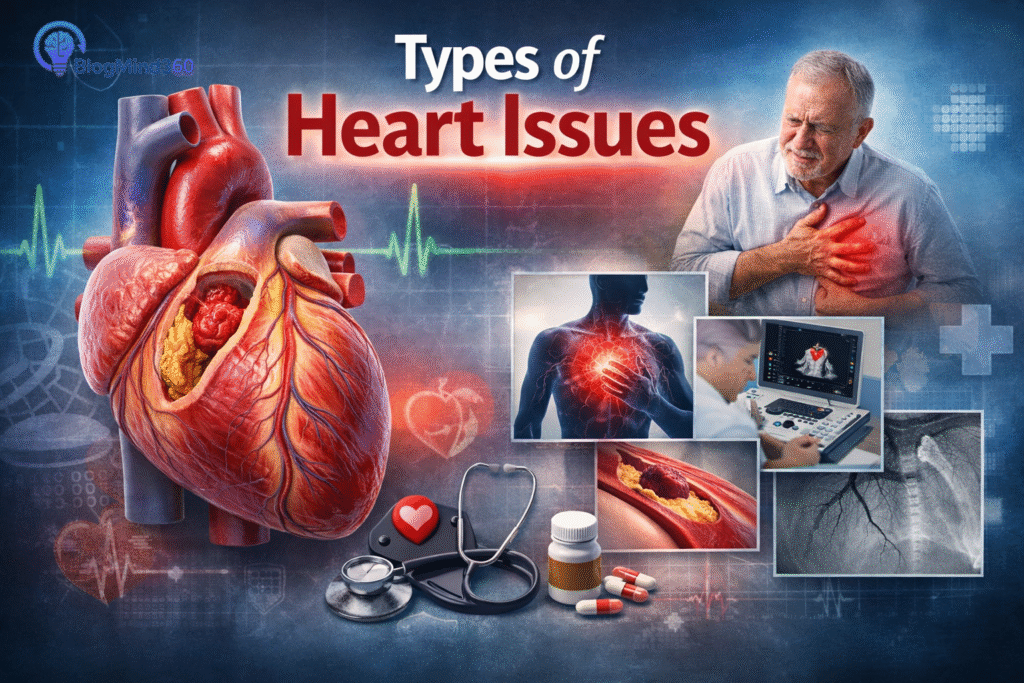
Understanding Heart Health and the Foundations of Heart Disease
Introduction to Heart Health
The human heart is a remarkable muscular organ responsible for sustaining life by pumping oxygen rich blood throughout the body. It beats approximately 100,000 times each day and circulates nearly 7,500 liters of blood daily. Despite its strength and endurance, the heart can develop various medical conditions that disrupt its ability to function effectively.
Understanding what are types of heart issues is essential for recognizing symptoms early, preventing complications, and maintaining long term cardiovascular health. Heart diseases are among the leading causes of death worldwide, affecting millions of individuals each year. Many of these conditions develop gradually over time, often influenced by lifestyle factors such as poor diet, smoking, lack of physical activity, and chronic stress.
Heart issues may affect different parts of the heart including the arteries, valves, heart muscle, and electrical system that controls heart rhythm. Each type of condition presents unique symptoms, risk factors, and treatment approaches.
A deeper understanding of the different types of heart issues empowers individuals to make informed decisions about their health and adopt preventive strategies that protect the heart for decades.
The Structure and Function of the Heart
To understand various heart problems, it is important to first understand how the heart functions.
The heart consists of four chambers:
- Right atrium
- Right ventricle
- Left atrium
- Left ventricle
These chambers work together to pump blood through two major circulatory pathways.
The pulmonary circulation moves blood from the heart to the lungs where it receives oxygen. The systemic circulation then delivers oxygen rich blood from the heart to the rest of the body.
Four valves regulate the direction of blood flow inside the heart:
- Mitral valve
- Tricuspid valve
- Aortic valve
- Pulmonary valve
These valves open and close in coordination with each heartbeat to ensure blood moves in the correct direction.
The heart also has an electrical conduction system that controls the rhythm and speed of heartbeats. This system includes specialized cells that generate electrical signals which coordinate heart contractions.
Any disturbance in these structures can lead to different types of heart issues.
What Are Heart Issues?
Heart issues refer to medical conditions that affect the heart’s structure, function, blood supply, or rhythm. These conditions are collectively known as cardiovascular diseases.
Heart problems can develop in several ways. Some conditions are congenital, meaning they are present at birth due to abnormal development during pregnancy. Others develop later in life due to lifestyle factors, aging, or chronic health conditions.
Common heart issues may involve narrowed arteries, weakened heart muscle, damaged valves, or irregular electrical signals that control heartbeat.
The severity of heart conditions varies widely. Some issues are mild and manageable with lifestyle changes, while others can be life threatening if not treated promptly.
Global Impact of Heart Disease
Cardiovascular diseases represent a major public health concern across the globe. According to international health organizations, heart disease remains the leading cause of mortality worldwide.
Millions of individuals experience heart attacks, strokes, and heart failure each year. Many of these cases are linked to modifiable risk factors such as unhealthy diets, physical inactivity, smoking, and excessive alcohol consumption.
Modern medicine has significantly improved survival rates for people with heart disease through early diagnosis, advanced treatments, and improved awareness of cardiovascular health.
However, prevention remains the most effective strategy for reducing the global burden of heart disease.
Main Categories of Heart Issues
Medical experts generally classify heart problems into several major categories depending on the part of the heart that is affected.
Understanding these categories helps individuals better recognize what are types of heart issues and how they impact the body.
Coronary Artery Disease
Coronary artery disease is the most common type of heart disease. It occurs when the arteries that supply blood to the heart muscle become narrowed or blocked due to the buildup of plaque.
Plaque is composed of cholesterol, fat, calcium, and other substances found in the bloodstream. Over time, this buildup restricts blood flow and reduces the oxygen supply to the heart muscle.
Reduced blood flow can cause chest pain known as angina. In severe cases, a complete blockage can lead to a heart attack.
Heart Rhythm Disorders
Heart rhythm disorders, also known as arrhythmias, occur when the electrical signals that coordinate heartbeats malfunction.
This disruption can cause the heart to beat too fast, too slow, or irregularly.
Some arrhythmias are harmless and may not require treatment. Others can interfere with the heart’s ability to pump blood effectively and may require medical intervention.
Heart Valve Disease
Heart valve disease occurs when one or more of the heart valves fail to open or close properly. This can disrupt the normal flow of blood through the heart.
Valve disorders may involve narrowing of the valve opening or leakage of blood backward through the valve.
Both conditions force the heart to work harder to pump blood, which may eventually weaken the heart muscle.
Cardiomyopathy
Cardiomyopathy refers to diseases of the heart muscle that affect its ability to pump blood efficiently.
The heart muscle may become enlarged, thickened, or stiff. As the condition progresses, the heart’s pumping ability decreases, potentially leading to heart failure.
Congenital Heart Defects
Congenital heart defects are structural abnormalities present at birth. These conditions occur when the heart or blood vessels do not develop normally during pregnancy.
Some congenital defects are mild and may not cause symptoms until adulthood, while others require immediate medical attention after birth.
Heart Failure
Heart failure is a condition in which the heart cannot pump blood effectively enough to meet the body’s needs.
This condition does not mean the heart has stopped working. Instead, it means the heart’s pumping capacity is reduced.
Heart failure often develops as a result of other heart conditions such as coronary artery disease or high blood pressure.
Risk Factors That Lead to Heart Issues
Several factors increase the likelihood of developing heart disease. Some risk factors are related to lifestyle choices, while others involve underlying health conditions or genetic predisposition.
Lifestyle Related Risk Factors
Poor dietary habits that include excessive saturated fats, salt, and processed foods can contribute to heart disease.
Lack of regular physical activity can weaken the cardiovascular system and increase the risk of obesity and high blood pressure.
Smoking is one of the most significant risk factors for heart disease because it damages blood vessels and reduces oxygen levels in the blood.
Excessive alcohol consumption may also lead to high blood pressure and weakened heart muscle.
Medical Risk Factors
Certain medical conditions increase the risk of heart problems.
High blood pressure forces the heart to work harder to pump blood throughout the body. Over time, this additional strain can damage the heart muscle and blood vessels.
High cholesterol levels contribute to plaque buildup inside the arteries, increasing the risk of coronary artery disease.
Diabetes significantly raises the risk of heart disease because elevated blood sugar levels damage blood vessels and nerves that control the heart.
Obesity places additional strain on the heart and increases the likelihood of developing high blood pressure, diabetes, and high cholesterol.
Genetic and Age Related Factors
Family history plays an important role in determining an individual’s risk of heart disease.
People with close relatives who developed heart disease at an early age may have a higher genetic predisposition to cardiovascular conditions.
Age is another significant factor. As people grow older, blood vessels naturally lose elasticity and the heart muscle may become less efficient.
Early Warning Signs of Heart Problems
Recognizing early symptoms of heart disease can save lives. Many heart conditions develop gradually, and symptoms may initially appear mild or intermittent.
Common early signs of heart issues include:
- Chest discomfort or pressure
- Shortness of breath during routine activities
- Fatigue or weakness
- Palpitations or irregular heartbeat
- Dizziness or fainting episodes
- Swelling in the legs, ankles, or feet
These symptoms should never be ignored, especially if they occur frequently or worsen over time.
Prompt medical evaluation can help identify the underlying cause and prevent serious complications.
How Heart Issues Are Diagnosed
Doctors use several diagnostic tools to evaluate heart health and identify potential problems.
Electrocardiograms measure the electrical activity of the heart and can detect abnormal rhythms or evidence of previous heart attacks.
Echocardiograms use ultrasound technology to visualize the structure and movement of the heart.
Stress tests evaluate how the heart performs during physical exertion.
Cardiac imaging techniques such as CT scans and MRI provide detailed images of the heart and surrounding blood vessels.
Blood tests may also reveal markers associated with heart damage or inflammation.
Accurate diagnosis allows healthcare professionals to design appropriate treatment strategies tailored to each patient’s condition.
Importance of Prevention and Lifestyle Changes
Preventing heart disease is often easier and more effective than treating advanced conditions.
Adopting heart healthy habits can significantly reduce the risk of developing cardiovascular problems.
Maintaining a balanced diet rich in fruits, vegetables, whole grains, and lean proteins supports cardiovascular health.
Regular physical activity strengthens the heart muscle and improves circulation.
Managing stress through relaxation techniques such as meditation, yoga, or breathing exercises can help regulate blood pressure and reduce strain on the heart.
Routine medical checkups also play a crucial role in early detection of potential problems.
By taking proactive steps to protect heart health, individuals can greatly reduce the likelihood of developing serious heart issues later in life.
Major Types of Heart Issues and Their Causes, Symptoms, and Medical Understanding
Coronary Artery Disease
Coronary artery disease is one of the most common and serious cardiovascular conditions affecting millions of people worldwide. It occurs when the coronary arteries that supply oxygen rich blood to the heart muscle become narrowed or blocked due to plaque buildup.
Plaque forms when cholesterol, fat, calcium, and inflammatory cells accumulate along the artery walls. Over time this buildup reduces blood flow to the heart muscle. When the heart receives insufficient oxygen, it begins to experience stress and damage.
Coronary artery disease develops gradually over many years. Many individuals remain unaware they have the condition until symptoms begin to appear or a heart attack occurs.
Causes of Coronary Artery Disease
Several factors contribute to the development of coronary artery disease. One of the primary causes is the accumulation of low density lipoprotein cholesterol within artery walls. When cholesterol levels remain high for extended periods, plaque begins to form and harden.
Smoking significantly increases the risk because tobacco chemicals damage blood vessels and accelerate plaque formation. High blood pressure also contributes by placing additional stress on artery walls, making them more susceptible to damage.
Diabetes increases the likelihood of coronary artery disease by affecting how the body processes sugar and fats. Chronic inflammation and oxidative stress can also contribute to artery damage.
Symptoms of Coronary Artery Disease
Symptoms may develop slowly and sometimes remain unnoticed until the condition becomes severe.
Common symptoms include:
- Chest pressure or tightness known as angina
- Shortness of breath during physical activity
- Fatigue and reduced stamina
- Pain radiating to arms, shoulders, neck, or jaw
- Nausea or sweating during episodes of chest discomfort
In some individuals coronary artery disease may progress silently without noticeable symptoms until a heart attack occurs.
Treatment and Management
Treatment focuses on restoring healthy blood flow to the heart and preventing complications.
Doctors often recommend lifestyle modifications including improved diet, regular exercise, smoking cessation, and weight management. Medications may be prescribed to lower cholesterol levels, reduce blood pressure, and prevent blood clots.
In advanced cases procedures such as angioplasty or coronary artery bypass surgery may be required to restore blood circulation.
Heart Attack
A heart attack, medically known as myocardial infarction, occurs when blood flow to a portion of the heart muscle becomes completely blocked. Without oxygen the affected heart tissue begins to die within minutes.
Heart attacks usually result from plaque rupture inside a coronary artery. When plaque breaks open it triggers the formation of a blood clot that obstructs the artery.
Immediate medical treatment is essential because delayed care can lead to permanent heart damage or death.
Warning Signs of a Heart Attack
Recognizing heart attack symptoms quickly can save lives.
Common warning signs include:
- Severe chest pain or pressure
- Pain spreading to arms, neck, jaw, or back
- Shortness of breath
- Cold sweating
- Nausea or vomiting
- Sudden fatigue or dizziness
Some individuals, particularly women and people with diabetes, may experience less typical symptoms such as indigestion, fatigue, or mild chest discomfort.
Emergency Treatment
Rapid medical intervention restores blood flow to the blocked artery. Emergency treatments may include clot dissolving medications or emergency angioplasty procedures.
The faster blood flow is restored, the greater the chance of minimizing damage to the heart muscle.
Heart Failure
Heart failure is a chronic condition in which the heart becomes unable to pump blood effectively throughout the body. Despite the name, heart failure does not mean the heart has stopped working. Instead it indicates reduced pumping efficiency.
The condition often develops gradually after other heart problems damage the heart muscle.
Types of Heart Failure
Heart failure can be classified into several forms depending on how the heart is affected.
Left sided heart failure occurs when the left ventricle loses its ability to pump blood efficiently to the body.
Right sided heart failure happens when the right side of the heart struggles to pump blood to the lungs.
Congestive heart failure refers to fluid buildup in tissues such as the lungs, legs, and abdomen due to impaired circulation.
Causes of Heart Failure
Heart failure frequently develops as a complication of other cardiovascular diseases.
Common causes include:
- Coronary artery disease
- Previous heart attacks
- Long term high blood pressure
- Heart valve disorders
- Cardiomyopathy
- Congenital heart defects
Symptoms of Heart Failure
Symptoms often develop slowly and worsen over time.
Common symptoms include:
- Shortness of breath during daily activities
- Difficulty breathing while lying down
- Persistent coughing or wheezing
- Swelling in ankles, legs, or abdomen
- Rapid or irregular heartbeat
- Extreme fatigue
Patients may also experience sudden weight gain due to fluid retention.
Management of Heart Failure
Treatment aims to improve heart function and reduce symptoms.
Doctors may prescribe medications that relax blood vessels, control heart rate, and remove excess fluid from the body. Lifestyle changes including salt reduction, weight management, and regular monitoring of symptoms are essential.
In severe cases medical devices such as pacemakers or ventricular assist devices may be required.
Arrhythmias and Irregular Heartbeats
Arrhythmias refer to abnormal heart rhythms caused by disturbances in the heart’s electrical conduction system.
The heart normally beats between sixty and one hundred times per minute in a regular pattern. When electrical signals become disrupted, the heartbeat may become irregular, too fast, or too slow.
Common Types of Arrhythmias
Atrial fibrillation is one of the most common arrhythmias. It occurs when electrical signals in the atria become chaotic, causing the heart to beat irregularly.
Bradycardia refers to an abnormally slow heart rate. This condition may occur when the heart’s natural pacemaker fails to generate signals properly.
Tachycardia occurs when the heart beats too rapidly, often exceeding one hundred beats per minute while at rest.
Ventricular fibrillation is a life threatening arrhythmia in which the lower chambers of the heart quiver instead of pumping blood.
Symptoms of Arrhythmias
Symptoms vary depending on the type and severity of the rhythm disorder.
Common symptoms include:
- Heart palpitations
- Dizziness or lightheadedness
- Shortness of breath
- Chest discomfort
- Fainting episodes
Some arrhythmias may not produce noticeable symptoms but can still increase the risk of stroke or heart failure.
Treatment Options
Treatment depends on the type of arrhythmia and underlying cause.
Medications may help regulate heart rhythm and prevent complications. In some cases doctors perform catheter ablation procedures to destroy abnormal electrical pathways in the heart.
Implantable devices such as pacemakers or defibrillators may also be recommended.
Cardiomyopathy
Cardiomyopathy refers to diseases that affect the heart muscle itself. These conditions cause the heart muscle to become enlarged, thickened, or stiff, reducing its ability to pump blood efficiently.
Cardiomyopathy can develop due to genetic factors, infections, long term high blood pressure, or damage caused by heart attacks.
Types of Cardiomyopathy
Dilated cardiomyopathy occurs when the heart chambers enlarge and the heart muscle becomes weak.
Hypertrophic cardiomyopathy involves abnormal thickening of the heart muscle which can obstruct blood flow.
Restrictive cardiomyopathy occurs when the heart muscle becomes stiff and less flexible.
Symptoms of Cardiomyopathy
Symptoms often resemble those of heart failure and may include:
- Shortness of breath
- Swelling in legs or ankles
- Irregular heartbeats
- Chest pain
- Fatigue during physical activity
Some individuals may experience sudden cardiac arrest, especially in cases of hypertrophic cardiomyopathy.
Treatment Approaches
Management focuses on improving heart function and preventing complications.
Treatment may include medications, implantable devices, lifestyle modifications, or heart transplantation in severe cases.
Heart Valve Disease
Heart valves play a crucial role in regulating blood flow through the heart chambers. When valves malfunction, blood flow becomes disrupted.
Valve problems may involve narrowing of the valve opening or leakage that allows blood to flow backward.
Common Valve Disorders
Aortic valve stenosis occurs when the aortic valve becomes narrowed, restricting blood flow from the heart to the body.
Mitral valve prolapse happens when the mitral valve does not close properly, allowing blood to leak backward.
Mitral regurgitation occurs when the mitral valve fails to seal tightly during heart contractions.
Symptoms of Valve Disease
Valve problems may develop slowly and remain unnoticed for years.
Common symptoms include:
- Shortness of breath
- Fatigue
- Heart palpitations
- Chest discomfort
- Swelling in feet or ankles
Treatment Options
Treatment depends on the severity of valve damage.
Medications may help manage symptoms, but many patients eventually require valve repair or replacement surgery to restore proper heart function.
Congenital Heart Defects
Congenital heart defects are structural abnormalities present at birth. These defects occur when the heart or blood vessels develop abnormally during fetal growth.
Some congenital defects are mild and require little or no treatment. Others can significantly affect blood circulation and require surgical correction.
Types of Congenital Heart Defects
Septal defects involve holes between the chambers of the heart.
Patent ductus arteriosus occurs when a blood vessel that should close after birth remains open.
Tetralogy of Fallot is a complex condition involving four structural heart abnormalities.
Symptoms in Children and Adults
Symptoms depend on the severity of the defect.
Infants may show signs such as rapid breathing, bluish skin tone, or difficulty feeding. Adults with congenital heart defects may experience fatigue, shortness of breath, or irregular heart rhythms.
Advances in pediatric cardiology have dramatically improved survival and quality of life for individuals born with congenital heart defects.
Inflammatory Heart Conditions
Inflammation can affect various layers of the heart and lead to different medical conditions.
Myocarditis involves inflammation of the heart muscle, often caused by viral infections.
Pericarditis affects the thin sac surrounding the heart and may cause sharp chest pain.
Endocarditis involves infection of the inner lining of the heart chambers or valves and requires urgent medical treatment.
These inflammatory conditions can impair heart function and may lead to serious complications if untreated.
Summary of Major Heart Issues
Heart disease encompasses a wide range of conditions that affect the heart’s structure and function. Understanding what are types of heart issues helps individuals recognize warning signs and seek medical care early.
Major categories include coronary artery disease, heart attacks, heart failure, arrhythmias, cardiomyopathy, valve disease, congenital defects, and inflammatory heart conditions.
Each of these conditions has unique causes, symptoms, and treatment strategies, highlighting the importance of proper diagnosis and individualized medical care.
A strong focus on prevention, healthy lifestyle choices, and regular health screenings remains one of the most effective ways to reduce the risk of developing serious heart issues.
Symptoms, Causes, Risk Factors, and Diagnosis of Different Heart Issues
Understanding the Symptoms of Heart Issues
Heart problems often develop gradually, and the early signs may be subtle or easily overlooked. Many people ignore symptoms until the condition becomes severe. Recognizing the warning signs of heart disease early can significantly improve treatment outcomes and reduce the risk of life threatening complications.
Symptoms vary depending on the specific type of heart issue. Some conditions affect blood flow to the heart muscle, while others interfere with the electrical signals that control heart rhythm. In many cases, the symptoms appear during physical activity or emotional stress when the heart requires more oxygen.
Common Symptoms of Heart Problems
Although different heart diseases present unique symptoms, several warning signs appear frequently in many cardiovascular conditions.
Chest pain or discomfort is one of the most well known symptoms. It may feel like pressure, tightness, squeezing, or burning in the chest area. The discomfort may last for several minutes or occur repeatedly.
Shortness of breath is another common sign of heart problems. Individuals may feel breathless during normal activities or even while resting.
Fatigue that persists despite adequate rest may indicate that the heart is struggling to pump enough oxygen rich blood throughout the body.
Swelling in the legs, ankles, or feet may occur when the heart cannot circulate blood efficiently, leading to fluid buildup in tissues.
Irregular heartbeat or palpitations may feel like the heart is racing, fluttering, or skipping beats.
Dizziness, lightheadedness, or fainting may occur when the brain does not receive sufficient oxygenated blood.
Pain that spreads from the chest to the arms, shoulders, neck, jaw, or back is also associated with heart problems, particularly during heart attacks.
These symptoms should never be ignored, especially if they occur frequently or suddenly worsen.
Differences in Symptoms Between Men and Women
Heart disease symptoms may appear differently in men and women. While chest pain is common in both, women often experience less typical symptoms that can make diagnosis more difficult.
Women may experience symptoms such as nausea, unusual fatigue, indigestion, dizziness, and pain in the back or jaw. Because these symptoms are sometimes mistaken for less serious conditions, women may delay seeking medical attention.
Understanding these differences is essential for early detection and timely treatment of heart disease in both genders.
Causes of Heart Issues
Heart problems can arise from a variety of causes, including lifestyle factors, chronic medical conditions, infections, and genetic influences.
Atherosclerosis
Atherosclerosis is one of the most common underlying causes of heart disease. This condition involves the buildup of fatty deposits inside artery walls, which gradually narrow the blood vessels and restrict blood flow.
Over time, plaque can harden and reduce the elasticity of arteries. When plaque ruptures, it may trigger the formation of blood clots that block blood flow completely.
High Blood Pressure
High blood pressure forces the heart to work harder to pump blood through the arteries. This constant strain can damage blood vessels and weaken the heart muscle over time.
If left untreated, high blood pressure increases the risk of heart attacks, heart failure, and stroke.
High Cholesterol
Excess cholesterol in the bloodstream contributes to plaque buildup within arteries. Low density lipoprotein cholesterol, often referred to as bad cholesterol, is particularly associated with the development of coronary artery disease.
Diabetes
Diabetes significantly increases the risk of cardiovascular disease. Elevated blood sugar levels damage blood vessels and nerves that control the heart. People with diabetes are more likely to develop coronary artery disease and other heart complications.
Infections and Inflammation
Certain infections can lead to inflammation of the heart muscle or surrounding tissues. Viral infections may cause myocarditis, while bacterial infections may lead to endocarditis.
These inflammatory conditions can impair heart function and may require immediate medical treatment.
Genetic Factors
Genetic predisposition plays an important role in heart health. Some individuals inherit genes that increase their susceptibility to conditions such as cardiomyopathy, congenital heart defects, or high cholesterol levels.
Individuals with a family history of heart disease should monitor their cardiovascular health closely and adopt preventive measures.
Major Risk Factors for Heart Disease
Heart disease rarely develops from a single cause. Instead, multiple risk factors often interact to increase the likelihood of cardiovascular problems.
Lifestyle Related Risk Factors
Unhealthy lifestyle habits contribute significantly to the development of heart disease.
Poor diet that includes high levels of saturated fats, trans fats, processed foods, and excessive salt can raise cholesterol levels and blood pressure.
Lack of physical activity weakens the cardiovascular system and increases the risk of obesity.
Smoking damages blood vessels and reduces oxygen levels in the blood. Tobacco use also accelerates plaque buildup in arteries.
Excessive alcohol consumption may lead to high blood pressure and irregular heart rhythms.
Chronic stress can contribute to high blood pressure and unhealthy coping behaviors such as overeating or smoking.
Medical Risk Factors
Certain medical conditions increase the risk of heart disease.
High blood pressure places continuous strain on the heart and blood vessels.
High cholesterol contributes to plaque formation in arteries.
Diabetes damages blood vessels and increases inflammation.
Obesity is associated with multiple cardiovascular risk factors including high blood pressure, insulin resistance, and abnormal cholesterol levels.
Sleep apnea, a disorder characterized by repeated interruptions in breathing during sleep, is also linked to increased cardiovascular risk.
Age and Gender
The risk of heart disease increases with age as blood vessels gradually lose elasticity and the heart muscle may weaken over time.
Men generally develop heart disease earlier than women. However, women’s risk increases significantly after menopause due to hormonal changes.
Family History
A family history of heart disease may indicate inherited genetic risk factors. Individuals with close relatives who experienced heart attacks or other cardiovascular conditions at an early age should be especially vigilant about heart health.
Complications of Untreated Heart Issues
When heart problems remain untreated, they can lead to serious and sometimes life threatening complications.
Heart Attack
A heart attack occurs when blood flow to the heart muscle becomes completely blocked. Without oxygen, heart tissue begins to die rapidly.
Stroke
Stroke occurs when blood flow to the brain is interrupted. Many strokes are linked to cardiovascular conditions such as atrial fibrillation or blocked arteries.
Heart Failure
Untreated heart disease can gradually weaken the heart muscle until it can no longer pump blood effectively.
Sudden Cardiac Arrest
Sudden cardiac arrest occurs when the heart suddenly stops beating due to electrical malfunction. This condition requires immediate medical intervention.
How Doctors Diagnose Heart Issues
Accurate diagnosis is essential for determining the most effective treatment plan for heart conditions. Doctors use a combination of physical examinations, medical history reviews, and advanced diagnostic tests.
Electrocardiogram
An electrocardiogram measures the electrical activity of the heart. It can detect abnormal heart rhythms, evidence of previous heart attacks, and other electrical disturbances.
Echocardiogram
An echocardiogram uses ultrasound waves to create images of the heart. This test allows doctors to evaluate heart structure, valve function, and blood flow patterns.
Stress Testing
Stress tests evaluate how the heart performs during physical exertion. Patients may walk on a treadmill while doctors monitor heart rate, blood pressure, and electrical activity.
Cardiac CT Scan
Computed tomography scans provide detailed images of the heart and blood vessels. This imaging technique can detect calcium deposits and blockages in coronary arteries.
Cardiac MRI
Magnetic resonance imaging produces highly detailed images of heart structures and can identify damage to heart muscle tissue.
Blood Tests
Certain blood tests measure substances released into the bloodstream when the heart is damaged. For example, elevated troponin levels may indicate a heart attack.
Coronary Angiography
Coronary angiography involves injecting a special dye into the coronary arteries and using X ray imaging to identify blockages. This test helps doctors determine whether procedures such as angioplasty are necessary.
The Role of Preventive Screening
Preventive screening plays a crucial role in detecting heart problems before symptoms appear.
Regular health checkups may include monitoring blood pressure, cholesterol levels, blood sugar, and body weight. Early detection allows healthcare providers to recommend lifestyle changes or medications that reduce the risk of developing serious cardiovascular disease.
Individuals with multiple risk factors should undergo more frequent screenings to ensure early intervention.
Importance of Awareness and Education
Public awareness about heart disease has increased significantly in recent years, yet many individuals still underestimate their personal risk.
Educational campaigns and health initiatives encourage people to adopt healthier lifestyles and seek medical advice when symptoms arise.
Understanding what are types of heart issues, how they develop, and how they can be prevented empowers individuals to take control of their cardiovascular health.
Improved awareness not only saves lives but also reduces the long term burden of heart disease on healthcare systems worldwide.
Treatment, Prevention, Lifestyle Management, and Long Term Heart Health
Medical Treatments for Different Types of Heart Issues
Treatment for heart conditions depends on the specific type of heart issue, its severity, and the overall health of the patient. Modern cardiology offers a wide range of treatment options that help manage symptoms, improve heart function, and prevent life threatening complications.
Doctors usually begin treatment with lifestyle modifications and medications. In more serious cases, minimally invasive procedures or surgical interventions may be necessary.
Medications Used in Heart Disease Treatment
Many heart conditions can be controlled with the help of medications. These drugs work in different ways to support heart function and improve circulation.
Blood pressure medications help relax blood vessels and reduce the workload on the heart. Lower blood pressure decreases the risk of heart attacks, strokes, and heart failure.
Cholesterol lowering medications reduce the amount of harmful cholesterol in the bloodstream. This helps slow the progression of plaque buildup inside arteries.
Blood thinners are often prescribed to prevent the formation of dangerous blood clots that can cause heart attacks or strokes.
Beta blockers help slow the heart rate and reduce strain on the heart muscle. These medications are commonly used in patients with heart failure or arrhythmias.
Diuretics help remove excess fluid from the body. This treatment is especially helpful for individuals experiencing swelling due to heart failure.
Medications that regulate heart rhythm are used to treat arrhythmias and restore normal electrical activity in the heart.
Medical Procedures for Heart Conditions
When medications alone cannot adequately treat heart disease, doctors may recommend specialized medical procedures.
Angioplasty is a minimally invasive procedure used to open blocked arteries. During this procedure a small balloon is inserted into the blocked artery and inflated to restore blood flow. In many cases a small metal mesh tube called a stent is placed in the artery to keep it open.
Coronary artery bypass surgery is performed when multiple arteries are severely blocked. Surgeons create new pathways for blood to flow around the blocked arteries using healthy blood vessels taken from other parts of the body.
Valve repair or valve replacement surgery may be required for patients with severe heart valve disease. In some cases damaged valves can be repaired, while in others they must be replaced with artificial or biological valves.
Pacemakers are small devices implanted under the skin to help regulate abnormal heart rhythms. They send electrical signals that maintain a steady heartbeat.
Implantable cardioverter defibrillators are used for patients at risk of sudden cardiac arrest. These devices monitor heart rhythm and deliver a shock if a dangerous arrhythmia occurs.
In extremely severe cases of heart failure, heart transplantation may be considered when other treatments are no longer effective.
Lifestyle Changes That Support Heart Health
Lifestyle changes are one of the most powerful tools for preventing and managing heart disease. Many heart conditions are closely linked to daily habits, and improving those habits can significantly reduce cardiovascular risk.
Heart Healthy Diet
Nutrition plays a crucial role in maintaining cardiovascular health. A heart friendly diet focuses on foods that reduce inflammation, improve cholesterol levels, and support healthy blood pressure.
Fruits and vegetables provide vitamins, minerals, and antioxidants that protect blood vessels from damage.
Whole grains contain fiber that helps lower cholesterol and improve digestion.
Lean proteins such as fish, poultry, and legumes provide essential nutrients without excessive saturated fat.
Healthy fats found in nuts, seeds, avocados, and olive oil support cardiovascular health when consumed in moderation.
Reducing intake of processed foods, sugary beverages, and excessive salt can significantly lower the risk of high blood pressure and heart disease.
Importance of Regular Physical Activity
Physical activity strengthens the heart muscle and improves blood circulation throughout the body. Regular exercise helps maintain healthy body weight, reduces blood pressure, and improves cholesterol levels.
Cardiovascular exercises such as walking, jogging, cycling, and swimming are particularly beneficial for heart health.
Even moderate daily activities such as brisk walking for thirty minutes can significantly reduce the risk of heart disease.
Exercise also improves insulin sensitivity, which helps regulate blood sugar levels and reduces the risk of diabetes related heart complications.
Maintaining a Healthy Weight
Excess body weight places additional strain on the heart and increases the risk of high blood pressure, diabetes, and high cholesterol.
Maintaining a healthy weight through balanced nutrition and regular exercise reduces the burden on the cardiovascular system.
Even modest weight loss can improve blood pressure and cholesterol levels in individuals who are overweight.
Managing Stress for Heart Health
Chronic stress can negatively affect the cardiovascular system. Stress hormones increase heart rate and blood pressure, placing extra strain on the heart.
Long term stress may also encourage unhealthy coping habits such as overeating, smoking, or excessive alcohol consumption.
Stress management techniques that support heart health include meditation, deep breathing exercises, yoga, and spending time in relaxing environments.
Maintaining strong social connections and engaging in enjoyable activities can also improve emotional well being and reduce stress levels.
Avoiding Tobacco Products
Smoking is one of the most dangerous risk factors for heart disease. Tobacco chemicals damage blood vessels, increase blood pressure, and reduce oxygen levels in the bloodstream.
Quitting smoking significantly reduces the risk of heart attack and stroke. The cardiovascular system begins to recover soon after smoking cessation, and long term health outcomes improve dramatically.
Importance of Regular Heart Health Monitoring
Routine health monitoring allows individuals to detect potential heart problems early before symptoms become severe.
Doctors often recommend regular screening for several important cardiovascular indicators.
Blood pressure measurements help identify hypertension, a major contributor to heart disease.
Cholesterol testing evaluates levels of harmful and protective cholesterol in the bloodstream.
Blood glucose testing helps detect diabetes or prediabetes, both of which increase cardiovascular risk.
Body mass index measurements provide insight into weight related health risks.
Electrocardiograms may be recommended for individuals with symptoms of irregular heart rhythm.
Regular monitoring allows healthcare providers to recommend lifestyle adjustments or medications before complications develop.
Preventing Heart Disease
Prevention is one of the most effective strategies for reducing the global burden of cardiovascular disease.
Heart disease prevention focuses on reducing risk factors that contribute to artery damage and impaired heart function.
Adopting a balanced diet rich in plant based foods and lean proteins can help maintain healthy cholesterol levels.
Engaging in regular physical activity strengthens the heart and improves circulation.
Avoiding smoking and limiting alcohol consumption protect blood vessels and reduce cardiovascular strain.
Managing stress and maintaining healthy sleep patterns support overall heart health.
Regular medical checkups ensure early detection of potential problems and allow timely intervention.
The Future of Heart Disease Treatment
Advancements in medical technology continue to improve the diagnosis and treatment of heart conditions.
Artificial intelligence is increasingly used to analyze medical data and detect early signs of cardiovascular disease. AI powered diagnostic systems can identify subtle patterns in imaging and test results that may indicate heart problems before symptoms appear.
Wearable health monitoring devices such as smartwatches now allow individuals to track heart rate, physical activity, and even detect irregular heart rhythms.
Gene therapy and regenerative medicine are also being explored as potential treatments for heart disease. Scientists are investigating ways to repair damaged heart tissue using stem cells and genetic techniques.
Minimally invasive surgical techniques are becoming more advanced, reducing recovery times and improving outcomes for patients undergoing heart procedures.
These innovations offer hope for more effective prevention and treatment of cardiovascular diseases in the future.
Long Term Heart Health Strategies
Maintaining heart health requires consistent effort over time. Individuals who prioritize cardiovascular wellness often adopt habits that support overall physical and mental well being.
Long term strategies for heart health include maintaining a balanced diet, engaging in regular physical activity, managing stress effectively, and attending routine medical checkups.
Building awareness about what are types of heart issues and how they develop allows individuals to make informed decisions that protect their heart for decades.
Education, prevention, and early treatment remain the most powerful tools in reducing the impact of heart disease worldwide.
By combining medical advancements with healthier lifestyles, individuals can significantly improve their chances of living longer and healthier lives with a strong and resilient heart.
Frequently Asked Questions
1. What are the most common types of heart issues?
The most common types of heart issues include coronary artery disease, heart attack, heart failure, arrhythmias, cardiomyopathy, heart valve disease, and congenital heart defects. Among these, coronary artery disease is the leading cause of heart related complications worldwide because it restricts blood flow to the heart muscle.
2. What is the difference between heart disease and cardiovascular disease?
Heart disease specifically refers to conditions that affect the heart itself, such as arrhythmias or heart valve problems. Cardiovascular disease is a broader term that includes both heart conditions and diseases of blood vessels such as stroke, peripheral artery disease, and atherosclerosis.
3. What are early warning signs of heart problems?
Early signs of heart problems may include chest discomfort, shortness of breath, fatigue, dizziness, irregular heartbeat, swelling in the legs or ankles, and pain in the arms, neck, or jaw. These symptoms can vary depending on the type of heart issue.
4. What causes heart issues?
Heart issues can be caused by several factors including high blood pressure, high cholesterol, smoking, obesity, diabetes, unhealthy diet, lack of exercise, excessive alcohol consumption, chronic stress, and genetic predisposition.
5. Can young people develop heart problems?
Yes, heart problems can occur at any age. While the risk increases with age, younger individuals can develop heart issues due to genetic factors, congenital heart defects, poor lifestyle habits, obesity, or underlying medical conditions.
6. What is coronary artery disease?
Coronary artery disease occurs when plaque builds up inside the coronary arteries that supply blood to the heart muscle. This buildup narrows the arteries and reduces blood flow, increasing the risk of chest pain and heart attacks.
7. What is heart failure?
Heart failure is a condition in which the heart cannot pump blood effectively enough to meet the body’s needs. It may occur due to weakened or stiff heart muscles caused by conditions such as coronary artery disease or high blood pressure.
8. What is an arrhythmia?
An arrhythmia is an abnormal heart rhythm that occurs when the electrical signals controlling heartbeats malfunction. The heart may beat too fast, too slow, or irregularly, affecting blood circulation.
9. What are congenital heart defects?
Congenital heart defects are structural problems in the heart that are present at birth. These defects occur during fetal development and may affect the heart walls, valves, or blood vessels.
10. How are heart issues diagnosed?
Doctors diagnose heart problems using several tests including electrocardiograms, echocardiograms, stress tests, blood tests, CT scans, cardiac MRI, and coronary angiography to evaluate heart structure, function, and blood flow.
11. Can heart disease be prevented?
Many heart conditions can be prevented through healthy lifestyle habits such as maintaining a balanced diet, exercising regularly, avoiding smoking, managing stress, controlling blood pressure, and monitoring cholesterol levels.
12. What foods are good for heart health?
Foods that support heart health include fruits, vegetables, whole grains, lean proteins such as fish and poultry, nuts, seeds, olive oil, and foods rich in omega three fatty acids.
13. How does high blood pressure affect the heart?
High blood pressure forces the heart to work harder to pump blood throughout the body. Over time this extra strain can damage blood vessels, enlarge the heart muscle, and increase the risk of heart attack and heart failure.
14. Can stress cause heart problems?
Chronic stress can contribute to heart disease by raising blood pressure, increasing inflammation, and encouraging unhealthy behaviors such as smoking or overeating. Long term stress management is important for maintaining heart health.
15. What is the difference between a heart attack and cardiac arrest?
A heart attack occurs when blood flow to the heart muscle is blocked. Cardiac arrest occurs when the heart suddenly stops beating due to an electrical malfunction. Cardiac arrest is a medical emergency that requires immediate treatment.
16. What role does cholesterol play in heart disease?
High levels of bad cholesterol contribute to plaque buildup in arteries. This process narrows the arteries and reduces blood flow, increasing the risk of coronary artery disease and heart attacks.
17. How does exercise improve heart health?
Regular physical activity strengthens the heart muscle, improves circulation, lowers blood pressure, helps maintain healthy weight, and improves cholesterol levels, all of which reduce the risk of heart disease.
18. Can heart disease run in families?
Yes, genetics can play a role in heart disease. Individuals with a family history of heart conditions may inherit risk factors such as high cholesterol levels or structural heart abnormalities.
19. What lifestyle changes help reduce heart disease risk?
Key lifestyle changes include eating a healthy diet, exercising regularly, maintaining a healthy weight, quitting smoking, limiting alcohol intake, managing stress, and attending regular medical checkups.
20. When should someone see a doctor for heart related symptoms?
A person should seek medical attention immediately if they experience chest pain, severe shortness of breath, fainting, sudden dizziness, or symptoms that suggest a heart attack such as pain spreading to the arms or jaw. Early medical care can prevent serious complications.