Last updated August 2026
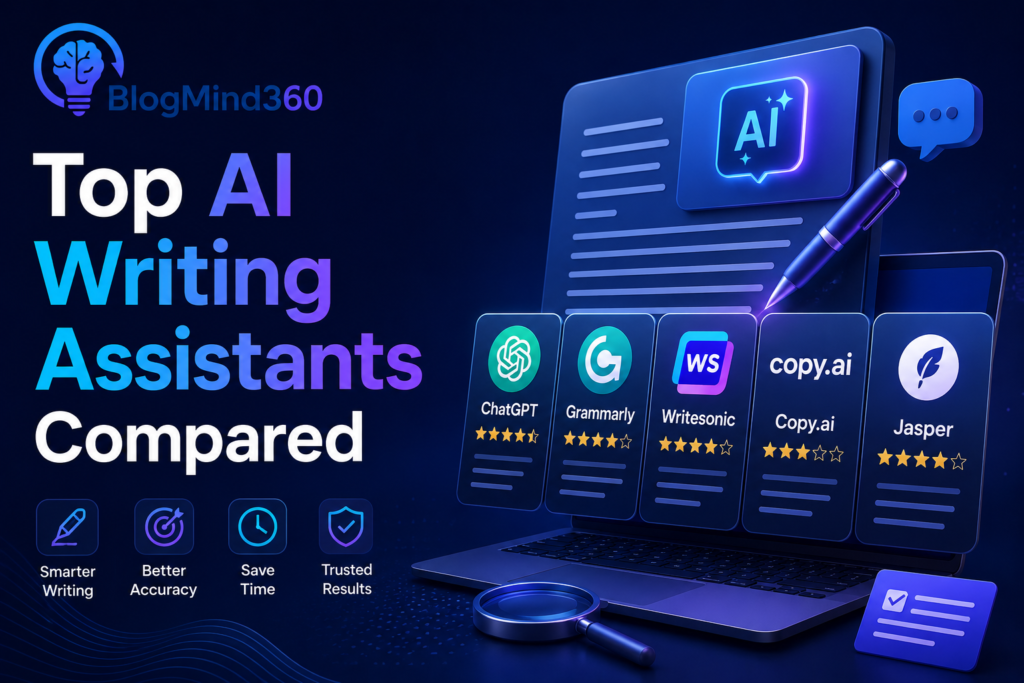
AI writing assistants have become a common tool for drafting emails, blog posts, marketing copy, and more, but the category now includes a wide range of tools with different strengths. This guide compares the main types of AI writing assistants available in 2026 and how to choose the right one for your specific writing needs.
General-Purpose AI Assistants
General-purpose AI chat assistants like Claude, ChatGPT, and Gemini can handle a huge range of writing tasks, from brainstorming and drafting to editing and tone adjustment, all through natural conversation. Their flexibility makes them a strong default choice for writers who need help across many different types of content rather than one specific, narrow use case.
Dedicated Grammar and Style Checkers
Tools focused specifically on grammar, spelling, and style checking integrate directly into your existing writing workflow — browsers, email clients, or word processors — offering real-time suggestions as you write, rather than requiring you to copy text into a separate chat interface. These tools excel specifically at catching errors and improving clarity in text you’ve already written, rather than generating new content from scratch.
Marketing and Copywriting-Focused Tools
Some AI writing tools are built specifically for marketing use cases, offering templates for ad copy, product descriptions, email campaigns, and social media posts, often with built-in tone and brand voice controls tailored to marketing goals like conversion and engagement. These tools can speed up content production significantly for marketing teams handling high volumes of short-form promotional content.
Long-Form Content and Book Writing Tools
Writers working on longer projects, like books or extensive reports, often benefit from tools specifically designed to maintain consistency and context across a longer piece of writing, including features for outlining, character or topic tracking, and maintaining a consistent voice throughout a lengthy document.
How to Choose the Right Tool
If you need broad, flexible writing help across many different tasks, a general-purpose AI assistant is likely your best starting point. If your main need is catching grammar and clarity issues in text you’ve already drafted, a dedicated grammar checker integrated into your writing workflow will likely serve you better. For high-volume marketing content or long-form projects specifically, a specialized tool built for that exact use case may offer meaningful efficiency gains over a general-purpose assistant.
Using AI Writing Tools Responsibly
Regardless of which tool you use, treating AI-generated drafts as a starting point rather than a final product remains important — reviewing for accuracy, ensuring the tone genuinely matches your voice or brand, and fact-checking any specific claims before publishing helps maintain quality and trust with your audience.
Frequently Asked Questions
Can AI writing assistants completely replace human writers?
Most professionals view AI writing tools as accelerating and supporting the writing process rather than fully replacing human judgment and creativity.
Will using AI writing tools get my content flagged as AI-generated?
Some detection tools exist though accuracy is inconsistent; using AI as a drafting aid with genuine personal editing produces the most authentic content.
Is it worth paying for a dedicated AI writing tool versus using a free general assistant?
Depends on volume and needs, high-volume teams may find dedicated tools worth the cost, while occasional writers often find free assistants sufficient.
Do AI writing tools work well for non-English languages?
Capability varies by tool and language, with major languages generally well supported.
Can AI writing assistants help with SEO content specifically?
Yes, many can help incorporate keywords and structure content, though genuine expertise still matters for ranking.
How do I make AI-generated writing sound more like my own voice?
Providing examples of your writing, specific tone preferences, and a genuine editing pass all help.
Conclusion
AI writing assistants now span a wide range of specialized and general-purpose tools, each suited to different writing needs and workflows. Choosing the right one comes down to matching the tool’s specific strengths to the type of writing you do most often.