
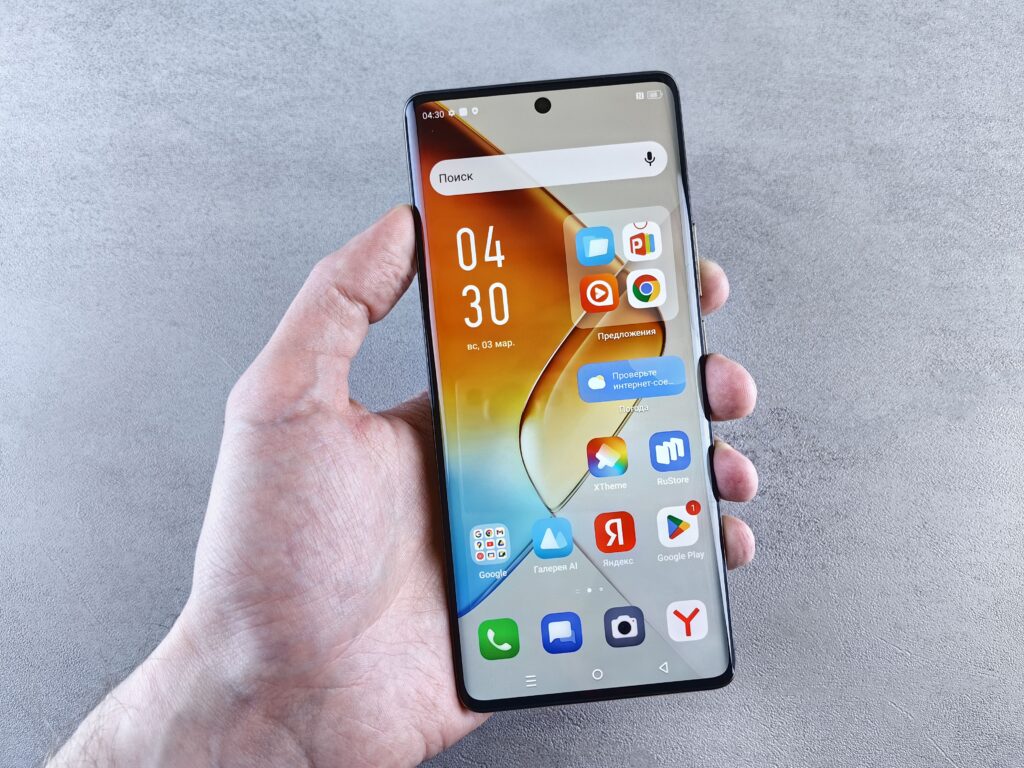
Quick Answer: Google launched the Pixel 11 Pro Fold in India on August 12, 2026, at Rs. 1,86,999 for the single 16GB RAM / 512GB storage configuration. It runs on the new 2nm Tensor G6 chip, has an 8-inch inner LTPO OLED display and a 6.5-inch outer display, both hitting up to 3,600 nits, a redesigned gearless hinge, IP68 water resistance, and a headline accessibility feature called Sign-to-Text translation. Pre-orders are open now, with retail availability from August 20, 2026, in a single Olive colourway.
Foldable phones have quietly become the most-watched category in Indian smartphones this year, and Google just raised the stakes. The Pixel 11 series launch on August 12 wasn’t just about the standard Pixel 11, Pixel 11 Pro, and Pixel 11 Pro XL, it also brought the third generation of Google’s book-style foldable, the Pixel 11 Pro Fold, to Indian shelves for the first time as part of the very first global wave.
This guide covers everything confirmed at launch: Indian pricing, full specifications, what has actually changed from the Pixel 10 Pro Fold, how it stacks up against Samsung’s Galaxy Z Fold and Apple’s rumoured foldable, and whether it is worth the nearly two-lakh-rupee price tag.
Google Pixel 11 Pro Fold Price in India
Unlike the standard Pixel 11 lineup, which comes in multiple storage tiers, Google has kept things simple for the Pixel 11 Pro Fold in India, at least for now.
| Configuration | Price in India |
|---|---|
| Pixel 11 Pro Fold (16GB RAM / 512GB storage) | ₹1,86,999 |
India gets only this single memory and storage configuration at launch, along with a single colour option, Olive. Buyers in some other markets have access to additional storage tiers, but Google has not confirmed whether those will arrive in India later in the product cycle.
Pre-orders are already live through the Google Store, Flipkart, and select offline retail partners, with general retail sales beginning on August 20, 2026, the same date the Pixel Watch 5 and rest of the Pixel 11 family go on open sale.
Launch Offers in India
Google and its retail partners have lined up a few incentives to soften the blow of the price tag. Buyers using HDFC Bank credit cards on EMI transactions can claim an instant Rs. 10,000 cashback. No-cost EMI plans stretch up to 24 months, and an exchange bonus of up to Rs. 9,000 is available on top of the standard trade-in value when swapping an eligible older phone.
Design: Thinner, Lighter, and a New Hinge
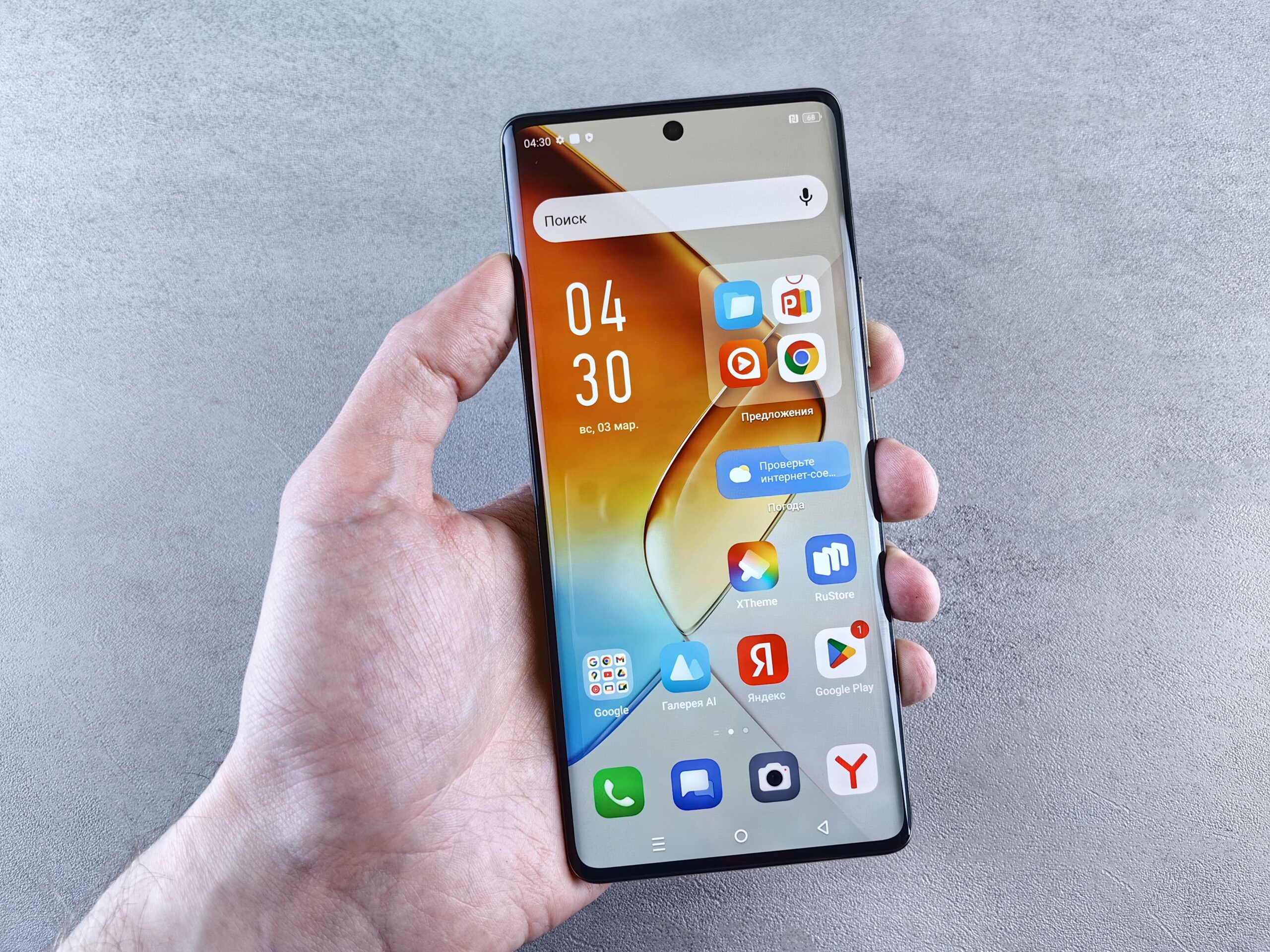
Google has clearly prioritised comfort and pocketability this generation rather than chasing a dramatic redesign. The Pixel 11 Pro Fold comes in roughly 1mm thinner than its predecessor and about 10 percent lighter, landing at 239 grams. Unfolded, the phone measures just 5.0mm thick, and folded it comes in at 10.1mm, down from 10.8mm on the outgoing Pixel 10 Pro Fold.
The bezels around the inner display have also been trimmed further, pushing the screen-to-body ratio to roughly 88.4 percent, among the highest Google has achieved on a foldable to date. Underneath, a completely redesigned gearless hinge mechanism with a wider bend radius aims to reduce the visibility of the crease down the middle of the inner display, historically one of the most common complaints levelled at book-style foldables.
One small but genuinely useful addition sits around the rear camera module: a subtle LED ring Google is calling HiLight. It uses colour-coded light patterns to flag notifications from priority contacts, gives visual feedback during hands-free Gemini sessions, and is expected to add support for messaging alerts in a future update. It is a small hardware touch, but on a device this large and this expensive, these little quality-of-life details are exactly what separates a genuinely thoughtful redesign from a simple spec bump.
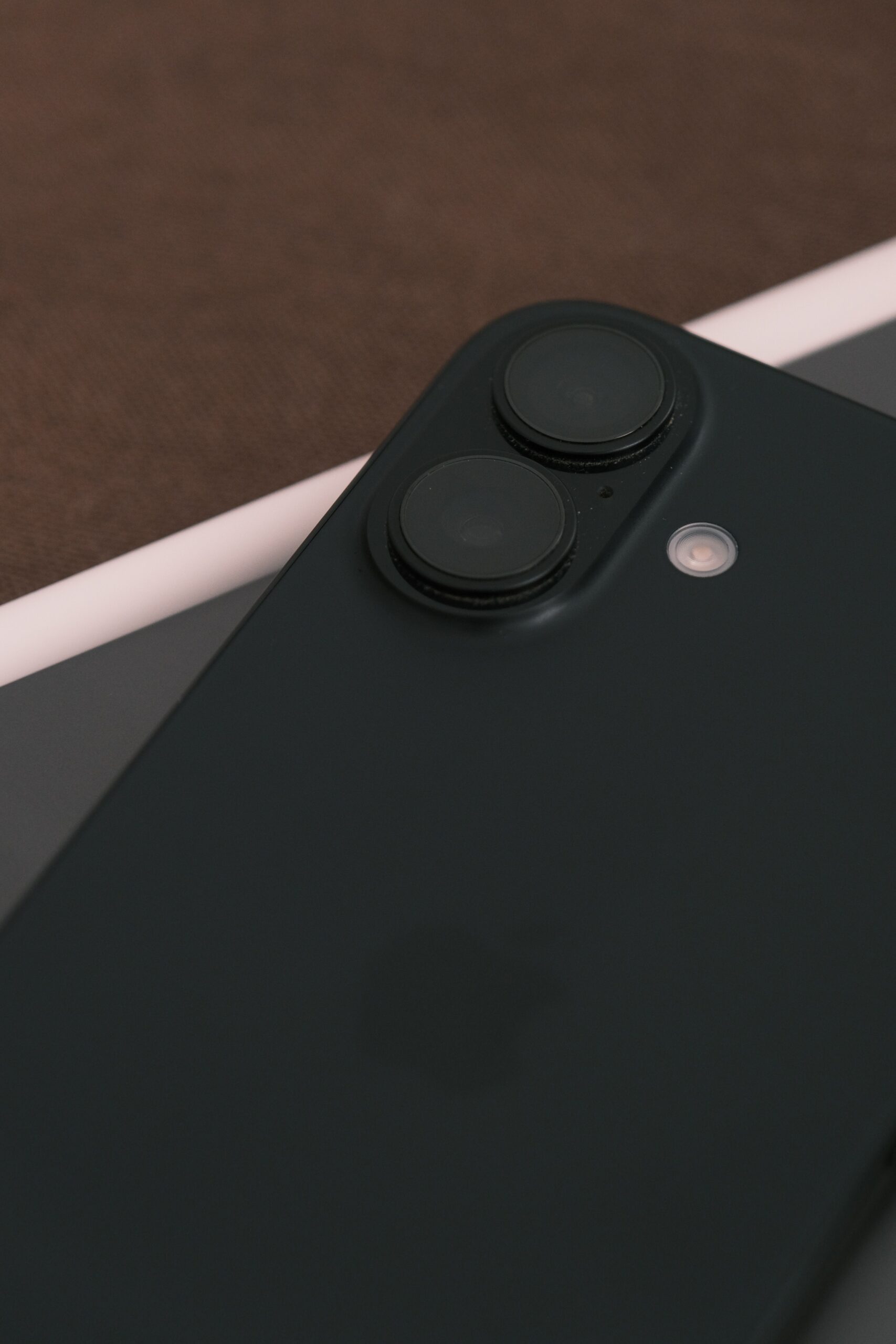
The camera module itself has also been reworked cosmetically. The two black bars that house the sensors now stretch closer to the full width of the module, and the LED flash and microphone have moved into the upper bar instead of sitting off to the side, giving the rear of the phone a slightly more unified, deliberate look compared to the Pixel 10 Pro Fold.
Foldables in India: Where the Pixel 11 Pro Fold Fits
India’s foldable phone market is still tiny compared to conventional smartphones, but it has grown steadily each year as prices have come down and durability concerns have eased. Google entering this segment with proper IP68 certification is a meaningful signal, since water and dust resistance has historically been one of the biggest hesitations Indian buyers cite when considering a foldable over a standard flagship.
That said, at nearly ₹1,87,000, the Pixel 11 Pro Fold remains priced well above what most Indian smartphone buyers spend even on flagship devices. It is competing less on volume and more for mindshare among buyers who already own, or are considering, a Samsung Galaxy Z Fold, and for existing Pixel loyalists who want the largest possible screen Google currently offers.
Availability is also worth flagging for anyone in a hurry. With India restricted to a single 512GB Olive unit, demand spikes around launch weekend could lead to temporary stock shortages, something that has happened with previous Pixel foldable launches in the country. If the specific configuration you want is unavailable at launch, it is worth checking back within the first few weeks rather than assuming it has sold out for good, since Google typically replenishes stock through Flipkart and its own online store on a rolling basis.
Durability: IP68 Rating and Gorilla Glass Victus 2
Foldables have historically lagged behind conventional flagship phones on durability, and Google is using the Pixel 11 Pro Fold to close that gap. The rear panel is built from a glass fibre composite topped with Gorilla Glass Victus 2, chosen specifically for impact resistance. More notably, the entire chassis now carries an IP68 rating, meaning it is dust-tight and can survive submersion up to 1.5 metres of water for around 30 minutes, a rating that matches most non-folding flagship phones and was not guaranteed on earlier Pixel foldables.
Display: Two Screens, Both Hitting 3,600 Nits
The Pixel 11 Pro Fold uses two separate LTPO OLED panels, and Google has pushed brightness on both to genuinely flagship-competitive levels. The outer cover display measures 6.5 inches, protected by an ultra-durable glass-ceramic cover, while the inner folding display spans a massive 8.0 inches. Both panels support an adaptive 1-120Hz refresh rate and can reach up to 3,600 nits of peak brightness, a 20 percent jump over the Pixel 10 Pro Fold. That brightness ceiling should make a real difference for outdoor visibility in Indian conditions, where harsh midday sunlight has traditionally made foldable displays harder to read than on standard-bar phones.
Performance: Tensor G6 and On-Device AI
Powering the Pixel 11 Pro Fold is Google’s new Tensor G6 chip, built on a 2nm process for the first time, paired with the Titan M3 security module. The Indian variant ships with 16GB of LPDDR5X RAM and 512GB of UFS 4.0 storage, matching the top-tier configuration globally even though other markets get access to lower and higher storage options as well.
The bigger story is what Google is doing with that processing power. The Pixel 11 Pro Fold introduces Sign-to-Text translation, an accessibility feature developed in close collaboration with the Deaf community. It uses the front camera to process American Sign Language in real time and displays the translated text directly on the outer screen through Live Transcribe and Gboard. It is one of the more genuinely useful applications of on-device AI Google has shipped on a Pixel device, and it reflects the same broader push toward offline, on-device intelligence we already saw with on-device Gemini on the Pixel Watch 5. If you want a general primer on how this kind of on-device AI differs from cloud-based assistants, our explainer on what artificial intelligence is is a good starting point.
Multitasking and Software Features
Google has also refined how the Pixel 11 Pro Fold’s large inner display handles multiple apps at once. Floating app bubbles are now specifically optimised for the unfolded screen, letting you quickly switch between apps without losing your place, alongside existing tools like Split Screen, Drag and Drop, and Instant View.
The device ships with Android 17 out of the box, and Google is promising up to seven major OS updates, among the longest software support commitments in the Android ecosystem. Circle to Search has also been integrated more deeply into the Pixel Camera app, alongside proactive AI assistance and updated “Made You Look” animations aimed at making photography with young children easier.
Google is also leaning on the larger inner display for productivity-oriented use cases that make less sense on a standard phone. Side-by-side app pairs can be saved as shortcuts for quick recall, and the taskbar at the bottom of the inner screen has been redesigned to behave more like a desktop dock, letting you drag files and images between two open apps instead of copying and pasting manually. None of this is entirely new to the foldable category, Samsung has offered similar multitasking tools for years, but it is the most desktop-like software experience Google has shipped on a Pixel to date.
Camera System
On the rear, the Pixel 11 Pro Fold uses a 48MP main sensor with optical image stabilisation and dual-pixel autofocus, paired with a 10.5MP ultra-wide lens and a 10.8MP telephoto lens capable of 5x optical zoom and up to 30x Super Zoom digitally. Both the inner and outer selfie cameras use 10MP sensors capable of shooting 4K video at 60fps.
On the software side, Google has added two new tools worth knowing about: Magic Capture, designed to keep fast-moving subjects sharp, and Camera Looks, which offers customisable colour profiles and style presets directly in the viewfinder rather than requiring post-processing.
Battery and Charging
The Pixel 11 Pro Fold packs a 4,806mAh battery, which Google rates for more than 24 hours of typical use, a reasonable claim given foldables generally draw more power running two active displays. It supports 30W wired fast charging, capable of reaching roughly 50 percent charge in about 30 minutes, along with 25W Qi2.2 Pixelsnap wireless charging, Google’s magnetic wireless charging standard that also debuted with the standard Pixel 11 lineup.
Complete Specifications at a Glance
| Specification | Details |
|---|---|
| Inner display | 8.0-inch LTPO OLED, 1-120Hz, up to 3,600 nits |
| Outer display | 6.5-inch LTPO OLED, 1-120Hz, up to 3,600 nits |
| Processor | Google Tensor G6 (2nm) |
| RAM / Storage (India) | 16GB LPDDR5X / 512GB UFS 4.0 |
| Rear cameras | 48MP main + 10.5MP ultra-wide + 10.8MP telephoto (5x optical, 30x digital) |
| Front cameras | 10MP outer + 10MP inner, 4K 60fps |
| Battery | 4,806mAh, 30W wired, 25W Qi2.2 wireless |
| Dimensions | Unfolded 155.2 x 150.4 x 5.0mm, Folded 155.2 x 76.0 x 10.1mm |
| Weight | 239 grams |
| Durability | IP68, Gorilla Glass Victus 2 |
| Security | Titan M3 module, side-mounted fingerprint scanner |
| Software | Android 17, up to 7 major OS updates |
| Colour (India) | Olive only |
| Price (India) | ₹1,86,999 |
Google Pixel 11 Pro Fold vs Pixel 10 Pro Fold: What’s New
If you already own a Pixel 10 Pro Fold, here is a quick look at what actually changed this generation.
- Thinner and lighter: roughly 1mm thinner folded, about 10 percent lighter overall.
- Brighter displays: both screens now reach 3,600 nits, up 20 percent from the previous generation.
- New gearless hinge: designed to reduce crease visibility and improve long-term durability.
- Upgraded durability: official IP68 rating and Gorilla Glass Victus 2 on the rear panel.
- New chip: 2nm Tensor G6 replaces the previous generation’s Tensor G5.
- New accessibility feature: Sign-to-Text translation for ASL, not available on the Pixel 10 Pro Fold.
- Camera module redesign: reworked housing with the LED flash and microphone integrated differently, plus the new HiLight notification ring.
None of these are radical, ground-up changes, and Google itself has followed an iterative approach to its foldables since the very first Pixel Fold. If your Pixel 10 Pro Fold is working well for you, this generation is a nice-to-have rather than a must-upgrade. If you are coming from a Pixel Fold or Pixel 9 Pro Fold, the combined jump in brightness, thinness, and durability is considerably more compelling.
Google Pixel 11 Pro Fold vs Samsung Galaxy Z Fold and Apple’s Foldable
In India, the Pixel 11 Pro Fold’s most direct competitor remains Samsung’s Galaxy Z Fold series, which has a multi-year head start in the foldable category and a wider retail and service network. Samsung still holds an edge in raw thinness on some models, but Google’s IP68 rating, higher peak brightness, and now Sign-to-Text translation give it a genuine differentiator beyond just hardware specs.
Apple’s long-rumoured foldable iPhone has not launched yet, and reports so far suggest it could carry a price well above $2,000 when it eventually arrives, an even steeper price than the Pixel 11 Pro Fold’s already premium positioning. Readers curious about Apple’s side of the foldable race can check our coverage of the Apple iPhone Fold India price and launch expectations, which lays out what’s been confirmed so far and how it might eventually compare on price and design.
Is the Google Pixel 11 Pro Fold Worth Buying?
At ₹1,86,999, the Pixel 11 Pro Fold sits firmly in ultra-premium territory, more expensive than most flagship non-folding phones by a wide margin. It makes the most sense for a specific type of buyer:
- Power users who genuinely multitask and will regularly use the large 8-inch inner display for split-screen work, reading, or content creation rather than treating it as a novelty.
- Existing Pixel Fold owners on the original model or Pixel 9 Pro Fold, where the combined upgrades in brightness, durability, and thinness represent a meaningful leap.
- Accessibility-focused buyers, including the Deaf and hard-of-hearing community, for whom Sign-to-Text translation is a genuinely novel and useful capability not available on rival foldables yet.
If you simply want a large-screen phone without the fold mechanism and price premium, it is worth comparing against the standard Pixel 11 Pro XL or checking our broader roundup of the best smartphones to buy in 2026 before committing to foldable pricing.
Frequently Asked Questions
What is the price of the Google Pixel 11 Pro Fold in India?
The Google Pixel 11 Pro Fold costs ₹1,86,999 in India for the single 16GB RAM and 512GB storage configuration available at launch.
When was the Pixel 11 Pro Fold launched in India?
Google launched the Pixel 11 Pro Fold in India on August 12, 2026, alongside the rest of the Pixel 11 series. Retail availability begins August 20, 2026.
What colours is the Pixel 11 Pro Fold available in?
In India, the Pixel 11 Pro Fold is available in a single colourway called Olive.
Is the Pixel 11 Pro Fold water resistant?
Yes. It carries an official IP68 rating, meaning it is dust-tight and can survive submersion in up to 1.5 metres of water for around 30 minutes.
What chip powers the Google Pixel 11 Pro Fold?
It runs on Google’s new 2nm Tensor G6 chip alongside the Titan M3 security module, paired with 16GB of RAM in the Indian variant.
What is Sign-to-Text translation on the Pixel 11 Pro Fold?
It is a new accessibility feature that uses the front camera to process American Sign Language in real time and displays the translated text on the outer screen, developed in collaboration with the Deaf community.
How does the Pixel 11 Pro Fold compare to the Pixel 10 Pro Fold?
It is thinner, lighter, and brighter, with a new gearless hinge, an IP68 rating, a faster Tensor G6 chip, and the new Sign-to-Text accessibility feature not found on the previous generation.
Does the Pixel 11 Pro Fold support wireless charging?
Yes, it supports 25W Qi2.2 Pixelsnap wireless charging in addition to 30W wired fast charging.
How many storage options does the Pixel 11 Pro Fold have in India?
India gets a single configuration at launch: 16GB RAM with 512GB of storage. Other markets may offer additional storage tiers that have not been confirmed for India.
Can the Pixel 11 Pro Fold be exchanged or bought on EMI?
Yes. Google is offering no-cost EMI for up to 24 months, an exchange bonus of up to Rs. 9,000 on eligible trade-ins, and an instant Rs. 10,000 cashback on HDFC Bank credit card EMI transactions.
Final Verdict
The Google Pixel 11 Pro Fold is not trying to reinvent the foldable category, it is refining what Google already built with the Pixel Fold, Pixel 9 Pro Fold, and Pixel 10 Pro Fold. The improvements here, a genuinely useful new hinge, proper IP68 durability, brighter screens, and a first-of-its-kind accessibility feature, address real complaints rather than chasing spec-sheet bragging rights. At ₹1,86,999, it remains a purchase for a narrow, committed segment of buyers rather than the mass market, but for anyone already inside the Pixel ecosystem and looking for the most capable large-screen device Google makes, this is the most polished Pixel foldable yet.
Whether it is worth the jump over a Galaxy Z Fold or waiting out Apple’s eventual entry into the category will largely come down to how much you value Google’s software ecosystem and on-device AI features specifically, since on raw hardware, the foldable race in 2026 is closer than it has ever been.
Keep an eye on our Gadget section for a full hands-on review once retail units start shipping on August 20.