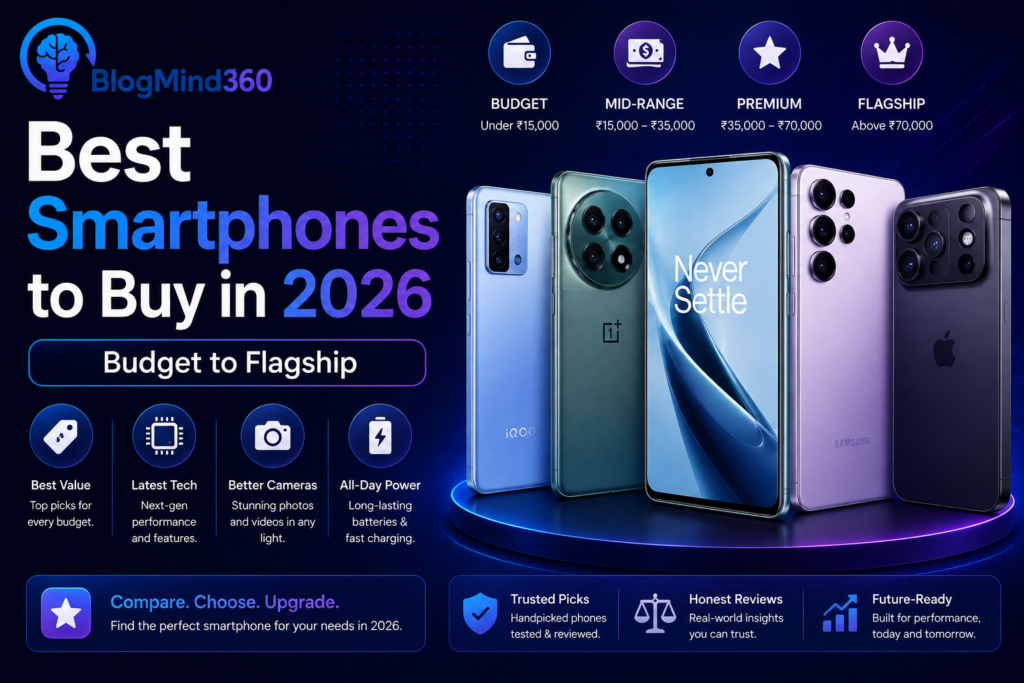
With dozens of smartphone models released every year across a huge range of prices, choosing the right one can feel overwhelming. Rather than chasing the single ‘best’ phone, the smarter approach is understanding which features actually matter for your usage and budget. This guide breaks down what to look for at every price point in 2026, from budget-friendly options to premium flagships.
Budget Smartphones: What to Expect
Budget smartphones have improved dramatically in recent years, now offering smooth day-to-day performance, decent cameras, and long battery life at a fraction of flagship prices. The main trade-offs at this tier are typically slower processors for demanding tasks like heavy gaming, less refined camera performance in low light, and sometimes slower software update schedules.
For most people using a phone primarily for calls, messaging, social media, and browsing, a well-reviewed budget phone from a reputable brand can handle daily use comfortably without the premium price tag.
Mid-Range Smartphones: The Value Sweet Spot
Mid-range phones have become the value sweet spot for many buyers, offering a meaningfully better camera system, faster performance, and often premium-feeling build quality without flagship pricing. This tier is generally the best fit for users who want a noticeably better experience than budget phones but don’t need cutting-edge specs.
Look specifically at camera quality in varied lighting, software update commitment from the manufacturer, and battery life when comparing mid-range options, since these vary more between models at this tier than raw processing power does.
Flagship Smartphones: What You’re Paying For
Flagship phones command premium prices for the latest processors, the most advanced camera systems, premium materials, and often the longest software support commitments. For photography enthusiasts, mobile gamers, and users who keep their phone for many years, these advantages can genuinely justify the higher cost.
For users who primarily use basic apps and don’t push their phone to its performance limits, the practical difference between a good mid-range phone and a flagship is often smaller in day-to-day use than the price difference would suggest.
Key Features to Compare
Beyond raw specs, consider battery life under your actual usage patterns, camera performance in conditions you photograph most (low light, portraits, video), software update commitment (longer support extends a phone’s useful life), and repairability, since some manufacturers make battery and screen replacements significantly easier and cheaper than others.
Should You Buy Now or Wait
Major smartphone releases typically follow predictable annual cycles by brand, so if a favorite manufacturer’s next flagship is a few months away, prices on the current model often drop closer to that launch. For most buyers, though, waiting indefinitely for the ‘next best thing’ rarely makes sense — a well-chosen phone today will serve you well regardless of what’s announced next quarter.
Frequently Asked Questions
Is it worth paying extra for a flagship phone?
It depends on your usage, heavy photographers and gamers often get real value from flagship features, while casual users may find mid-range sufficient.
How long should a smartphone realistically last?
With proper care, most modern smartphones can last four to six years.
Are budget phones safe to buy for daily use?
Yes, reputable budget phones offer solid daily performance and security updates.
What’s the biggest difference between budget and flagship cameras?
Flagship cameras generally excel most in challenging conditions like low light and fast-moving subjects.
Should I buy a phone directly from the manufacturer or through a carrier?
Buying unlocked provides more flexibility to switch carriers, while carrier deals offer contract-tied discounts.
Do I need 5G for my next phone?
Most new phones include 5G by default, offering genuine benefits in well-covered areas.
Conclusion
The best smartphone for you depends far more on your actual usage patterns and budget than any universal ‘best phone’ ranking. Focusing on the features that matter most for how you actually use your phone — camera needs, battery habits, software longevity — will lead to a more satisfying purchase than chasing spec-sheet numbers alone.