

Quick Answer: The Redmi Note 17 5G price in India starts at ₹27,999 for the 6GB+128GB variant, with the 8GB+128GB model priced at ₹30,999. Launched on August 6, 2026 with sales beginning August 12, it features a 6.99-inch 120Hz AMOLED display, a Snapdragon 4 Gen 4 chipset, a massive 8,000mAh battery with 45W charging, and a single 50MP rear camera. It’s a noticeably different Redmi Note than previous generations — bigger battery, bigger price, and a simplified camera setup. Here’s everything you need to know before buying.
If you’ve been searching for the Redmi Note 17 price in India, you’re looking at one of the most anticipated budget-segment launches of August 2026. The Redmi Note series has long been India’s best-selling smartphone lineup, and this generation makes some genuinely bold changes — most notably an 8,000mAh battery that’s unusually large for this price bracket, paired with a price jump that’s likely to surprise longtime Redmi Note buyers. This guide covers full pricing, specs, what’s changed from the Redmi Note 15, and whether it’s worth buying.

Redmi Note 17 Price in India (August 2026)
Xiaomi officially launched the Redmi Note 17 5G in India on August 6, 2026, with sales opening on August 12 through Amazon and Xiaomi’s own online store, followed by offline retail availability.
| Variant | Price in India |
|---|---|
| 6GB RAM + 128GB Storage | ₹27,999 |
| 8GB RAM + 128GB Storage | ₹30,999 |
Buyers can also get an instant discount of ₹3,000 on eligible SBI, Axis Bank, and Kotak Bank credit cards, which brings the effective starting price down to around ₹24,999 during the launch period. If you’re weighing this against pricier options, our roundup of the best smartphones to buy in 2026 across budget to flagship price points is a useful reference point for where the Note 17 sits in the wider market.
A Bigger Price Jump Than Usual
Longtime Redmi Note buyers should brace for a noticeably steeper starting price than previous generations. The Redmi Note 15 launched at ₹22,999 in January 2026, while the Redmi Note 14 started at ₹18,999 before that — meaning the Note 17 represents roughly a ₹9,000 jump over two generations. The primary driver is the same global memory chip shortage that has pushed prices up across the entire smartphone industry this year, not a deliberate repositioning by Xiaomi alone.
Design and Display
The Redmi Note 17 ships in Arctic Blue, Dark Night, and Starlight Purple colour options (some retail listings also reference Black, Shallow Cyan, and Meteor Purple naming for the same shades). The phone measures 8.26mm thick and weighs around 225g — noticeably heavier than most phones in this segment, largely a direct consequence of the oversized battery packed inside.
The headline display feature is size: a 6.99-inch AMOLED panel, considerably larger than the 6.6–6.8-inch screens typical of this price bracket, making the Note 17 a strong pick for anyone who watches a lot of video or plays games on their phone. Key display specs include:
- Size: 6.99-inch TrueColour AMOLED, 2396 x 1080 resolution
- Refresh rate: 120Hz
- Peak brightness: Up to 1,800 nits
- Touch sampling: Up to 2,160Hz instantaneous touch sampling rate with HydroTouch 2.0, which improves responsiveness even with wet fingers
- Protection: Corning Gorilla Glass 7i, 960Hz PWM dimming for reduced eye strain
Performance: Snapdragon 4 Gen 4
The Redmi Note 17 runs on a Qualcomm Snapdragon 4 Gen 4 chipset, paired with either 6GB or 8GB of RAM and 128GB of UFS storage, expandable via a hybrid microSD slot up to 2TB. This is squarely an entry-to-mid-range chipset built for everyday reliability rather than performance benchmarks — it comfortably handles messaging, social media, streaming, and casual gaming, but isn’t intended for demanding titles at maxed-out graphics settings. If gaming performance is a bigger priority for you, it’s worth cross-shopping against other options in our best budget smartphones under ₹20,000 guide and the pricier flagship options covered elsewhere on the site.
Camera: A Simplified Setup
This is where the Redmi Note 17 breaks most sharply from its predecessors. Instead of the multi-lens setups Redmi Note phones have carried for years, the Note 17 drops down to a single 50MP rear camera (some regional listings show a secondary 2MP sensor bundled alongside it), losing the ultrawide lens and 4K video recording that were present on the Redmi Note 15. The front camera is an 8MP shooter for selfies and video calls.
In practice, this means the Note 17 leans heavily into “does one thing well” rather than offering the flexibility of multiple lenses. Daylight photos from the 50MP main sensor are genuinely solid for the price, but buyers who specifically valued ultrawide shots or higher-resolution video capture on previous Redmi Note phones will find this a real step back rather than a lateral change.
Battery and Charging: The Real Headline
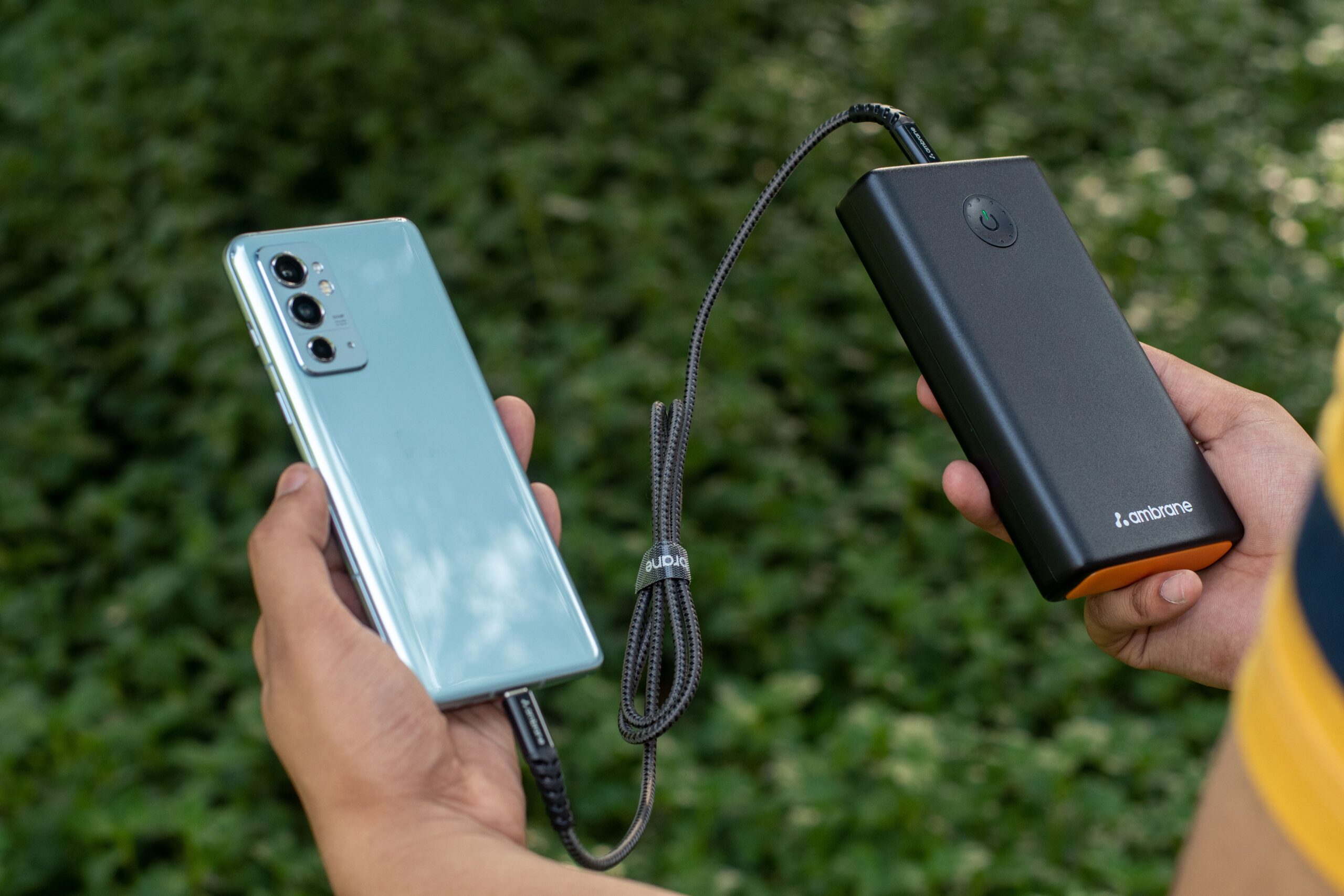
The 8,000mAh “EV-grade” battery is genuinely the standout feature of this generation, and it’s a significant jump from the 5,500–6,000mAh batteries typical of the segment. Combined with 45W wired fast charging and 22.5W reverse wired charging (useful for topping up earbuds or another phone), the Note 17 is built around multi-day battery life for moderate users, and comfortable all-day use even for people who are heavy on camera, streaming, and social media.
The trade-off for that huge cell is the phone’s added thickness and weight, which some buyers coming from slimmer devices may notice immediately. For anyone who regularly runs their phone battery down by evening or travels without reliable charging access, that trade-off is likely to feel worthwhile.
Full Specifications at a Glance
| Spec | Redmi Note 17 5G |
|---|---|
| Display | 6.99-inch AMOLED, 120Hz, 1,800 nits |
| Chipset | Snapdragon 4 Gen 4 |
| RAM | 6GB / 8GB |
| Storage | 128GB (expandable via hybrid microSD up to 2TB) |
| Rear Camera | 50MP (+2MP on some variants) |
| Front Camera | 8MP |
| Battery | 8,000mAh with 45W charging |
| Build | 8.26mm thick, ~225g, Gorilla Glass 7i |
| Software | Android 16, HyperOS 3, 4 years OS + 6 years security updates |
| Colors | Arctic Blue, Dark Night, Starlight Purple |
| Starting Price (India) | ₹27,999 |
Redmi Note 17 vs Redmi Note 15: What’s Changed?
If you’re currently on a Redmi Note 15 or considering an upgrade from an older Redmi Note, the changes here are more of a trade-off than a straightforward improvement. The battery, display size, and touch responsiveness are genuine upgrades, and the software support commitment (four years of OS updates, six years of security patches) is stronger than most rivals in this price band. On the other hand, the simplified single-camera setup and the roughly ₹5,000 price increase over the Note 15 are real downgrades depending on what you value most. If camera versatility matters more to you than battery size, it’s worth checking whether the Redmi Note 15 or a Pro-tier device better fits your priorities before committing to the Note 17.
Redmi Note 17 vs Nothing Phone 4b and Poco M8 Power
The Redmi Note 17 lands in a genuinely crowded part of the Indian market this August, competing directly against phones like the Nothing Phone 4b and the newly launched Poco M8 Power. Against the Nothing Phone 4b specifically, the Redmi Note 17 wins clearly on battery capacity and display size, but loses ground on design distinctiveness and camera flexibility (the Phone 4b’s OIS-equipped dual camera setup is a notable advantage). If a standout design and stronger photography are bigger priorities than raw battery size, the Phone 4b remains the stronger pick in a similar price range; if all-day battery life and screen real estate matter most, the Note 17 has a clear edge.
Pros and Cons
What We Like
- Massive 8,000mAh battery, genuinely built for multi-day use
- Large, bright 6.99-inch AMOLED display with fast 120Hz refresh
- Strong software support commitment — 4 years OS, 6 years security updates
- Fast 2,160Hz touch sampling with wet-touch responsiveness
- 45W fast charging plus useful 22.5W reverse charging
What Could Be Better
- Camera setup simplified to a single 50MP lens, losing the ultrawide and 4K video from the previous generation
- Noticeably thicker and heavier than most phones in this segment
- Price has jumped roughly ₹9,000 over two generations
- Snapdragon 4 Gen 4 isn’t built for demanding gaming at high settings
- Single loudspeaker rather than stereo speakers
Who Should Buy the Redmi Note 17?
This phone is squarely aimed at buyers who prioritize battery life and screen size above everything else — heavy phone users, people who travel frequently without reliable charging access, or anyone who’s grown frustrated charging their current phone multiple times a day. It’s a strong fit for students and professionals who watch a lot of video or attend long virtual meetings on their phone screen. If photography flexibility, a slim in-hand feel, or staying close to the Redmi Note 15’s lower price point matter more to you, it’s worth looking at alternatives before committing.
EMI and Exchange Options
Given the higher starting price this generation, EMI options through Bajaj Finance and major bank credit cards are commonly available on both Amazon and Xiaomi’s own store, with monthly payments starting from roughly ₹830 depending on tenure. Exchange offers on an older phone can meaningfully offset the cost too — it’s worth checking the effective price after trade-in across Amazon, Flipkart (once availability expands), and Xiaomi’s own site, since exchange valuations can vary between platforms for the same device.
Gaming and Everyday Performance
In real-world daily use, the Snapdragon 4 Gen 4 handles the tasks most Redmi Note buyers actually care about — messaging apps, social media, video streaming, browsing, and light multitasking — without any noticeable lag, helped along by the fast 120Hz refresh rate and high touch sampling rate. Casual games like Subway Surfers, Candy Crush, or Ludo run without issue, and even moderately demanding titles are playable at reduced settings. Where the chipset shows real limits is in graphically intensive games like BGMI or Genshin Impact at high settings, where you’ll need to drop several visual settings to keep gameplay smooth. This is consistent with where the Snapdragon 4 series has always positioned itself — reliable everyday performance rather than gaming-first hardware — and buyers who specifically want stronger gaming performance in this price range should look toward Redmi Note Pro models or rival chipsets instead.
Build Quality and In-Hand Feel
The added thickness and weight from the 8,000mAh battery are the first thing most people notice when picking up the Redmi Note 17 for the first time, especially if you’re coming from a slimmer 6,000mAh-class phone. At 8.26mm and roughly 225 grams, it’s noticeably chunkier than most phones in its price bracket, though the weight is reasonably well distributed rather than feeling front- or back-heavy. The Gorilla Glass 7i protection on the display adds a genuine layer of durability that’s worth having given how much time most users spend looking at their screen, and the HydroTouch 2.0 coating means the touchscreen stays responsive even with wet or sweaty fingers — a small but genuinely useful detail during India’s monsoon season.
Connectivity and Everyday Features
The Redmi Note 17 includes dual-band Wi-Fi, Bluetooth 5.1, and a built-in IR blaster, letting the phone double as a universal remote for TVs and appliances — a small but genuinely popular feature among Redmi Note buyers over the years. An optical in-display fingerprint sensor handles biometric unlocking, and USB On-The-Go (OTG) support lets you connect external storage devices or accessories directly to the phone. The hybrid SIM slot supporting microSD expansion up to 2TB is a meaningful plus for anyone who shoots a lot of photos and video or keeps large offline media libraries, especially since the phone ships with a fixed 128GB of internal storage across both RAM variants.
Setting Up Your New Phone
Whenever you move to a new device, it’s worth using the moment to review your account security rather than simply restoring an old backup and moving on. This matters even more on a budget-to-mid-range phone that you’re likely to keep for several years given the phone’s strong update commitment — the accounts and passwords you carry over matter just as much as the hardware itself. Our comparison of the best password manager apps in 2026 is a useful companion read if you’re setting up a fresh device and want to tidy up your logins at the same time.
Should You Buy Now or Wait?
Since the Redmi Note 17 has only just launched, prices are unlikely to drop meaningfully in the short term, though the ₹3,000 bank card discount currently available is worth taking advantage of if you have an eligible SBI, Axis Bank, or Kotak Bank card. As with most phones in this segment, watch for additional discounts and exchange bonuses during major sale events later in the year, which have historically brought further price cuts on Redmi Note devices a few months after launch. If your current phone is struggling with battery life specifically, there’s little reason to wait — that’s exactly the problem this generation of the Redmi Note was built to solve.
Frequently Asked Questions
What is the Redmi Note 17 price in India right now?
The Redmi Note 17 5G starts at ₹27,999 for the 6GB+128GB variant, with the 8GB+128GB model priced at ₹30,999.
When did the Redmi Note 17 launch in India?
It launched on August 6, 2026, with sales beginning August 12 through Amazon and Xiaomi’s online store, followed by offline retail.
What chipset does the Redmi Note 17 use?
It uses a Qualcomm Snapdragon 4 Gen 4 chipset, paired with 6GB or 8GB of RAM.
How big is the Redmi Note 17’s battery?
It has an 8,000mAh battery with 45W wired fast charging and 22.5W reverse wired charging.
Does the Redmi Note 17 have an ultrawide camera?
No. Unlike the Redmi Note 15, the Note 17 drops the ultrawide lens in favor of a single 50MP main rear camera, along with a secondary 2MP sensor on some variants.
Is the Redmi Note 17 worth buying over the Redmi Note 15?
If battery life and screen size are your top priorities, yes. If you value the Note 15’s ultrawide camera and lower price, it’s worth weighing that trade-off carefully before upgrading.
What colors does the Redmi Note 17 come in?
It’s available in Arctic Blue, Dark Night, and Starlight Purple (also listed as Black, Shallow Cyan, and Meteor Purple on some retail platforms).
How long will the Redmi Note 17 receive software updates?
Xiaomi has committed to four years of major Android OS updates and six years of security patches for the Redmi Note 17.
Does the Redmi Note 17 support memory card expansion?
Yes, it has a hybrid SIM slot that supports microSD expansion up to 2TB, useful given the fixed 128GB internal storage on both RAM variants.
Is the Redmi Note 17 good for gaming?
It handles casual and moderately demanding games smoothly, but the Snapdragon 4 Gen 4 chipset isn’t built for graphically intensive titles at maximum settings, so heavy mobile gamers may want to look at Pro-tier alternatives.
How the Note 17 Fits Into Xiaomi’s Wider August Lineup
The Redmi Note 17 isn’t launching in isolation — Xiaomi and its Redmi sub-brand have been particularly active this August, with the standard Redmi Note 17 landing in India while global markets separately received the Redmi 17 and Redmi 17 5G, distinct devices with their own LCD displays and different chipsets. A Redmi Note 17 Pro and Pro Max are also expected to follow with more premium hardware, a bigger camera system, and correspondingly higher pricing. If the standard Note 17’s simplified camera setup is a dealbreaker for you specifically, it may be worth waiting for the Pro variant’s India launch before making a final decision, since Xiaomi has historically used the Pro tier to restore the multi-lens camera setups the standard Note drops.
Final Verdict
The Redmi Note 17 is one of the more polarizing Redmi Note launches in recent memory — it makes a genuinely bold bet on battery life and screen size at the direct expense of camera versatility and a slimmer build, all while asking for a meaningfully higher price than its predecessor. For buyers who’ve been frustrated by charging their phone multiple times a day, that trade is likely to feel worth it, and the strong software update commitment adds real long-term value on top. But if you specifically valued the flexibility of an ultrawide lens or want to stay closer to the Redmi Note 15’s lower starting price, this generation’s changes may give you pause. Either way, it’s a genuinely different phone from previous Redmi Notes, not just an incremental refresh — worth evaluating on its own terms rather than assuming it’s a straightforward upgrade.