
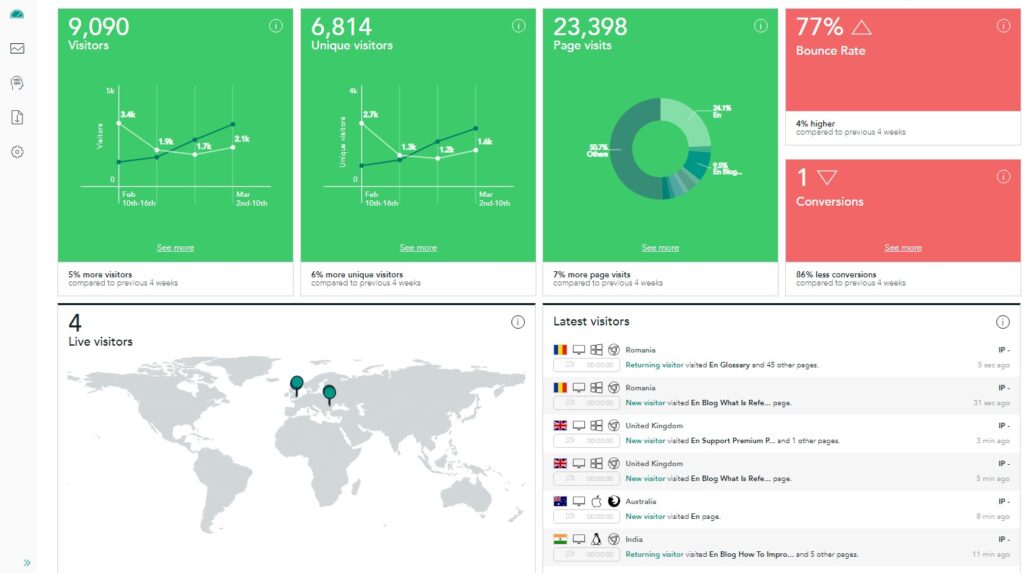
Quick Answer: Data analytics technology has become far more accessible in 2026, with tools like Google Analytics 4, Tableau, and AI-powered platforms letting businesses of any size turn raw data into actionable insights without needing a dedicated data science team. Modern analytics platforms increasingly use AI to automatically surface trends and anomalies that would take a human analyst hours to find manually, flagging what actually matters instead of requiring someone to dig through spreadsheets. Businesses using these tools consistently make faster, more confident decisions than those relying on gut instinct or outdated reporting.
Why Data Analytics Technology Matters for Modern Businesses
Data analytics technology has shifted from a specialized function limited to large enterprises into something small businesses and solo entrepreneurs can realistically use. Modern tools handle the technical complexity of data collection and processing automatically, letting business owners focus on interpreting insights rather than wrestling with spreadsheet formulas or complex database queries.
This accessibility matters because decisions based on actual data, rather than assumptions or gut instinct, consistently outperform guesswork over time. Even simple analytics, knowing which marketing channel actually drives sales or which product pages have the highest drop-off rate, can meaningfully change how a business allocates its limited time and budget.
Essential Data Analytics Tools
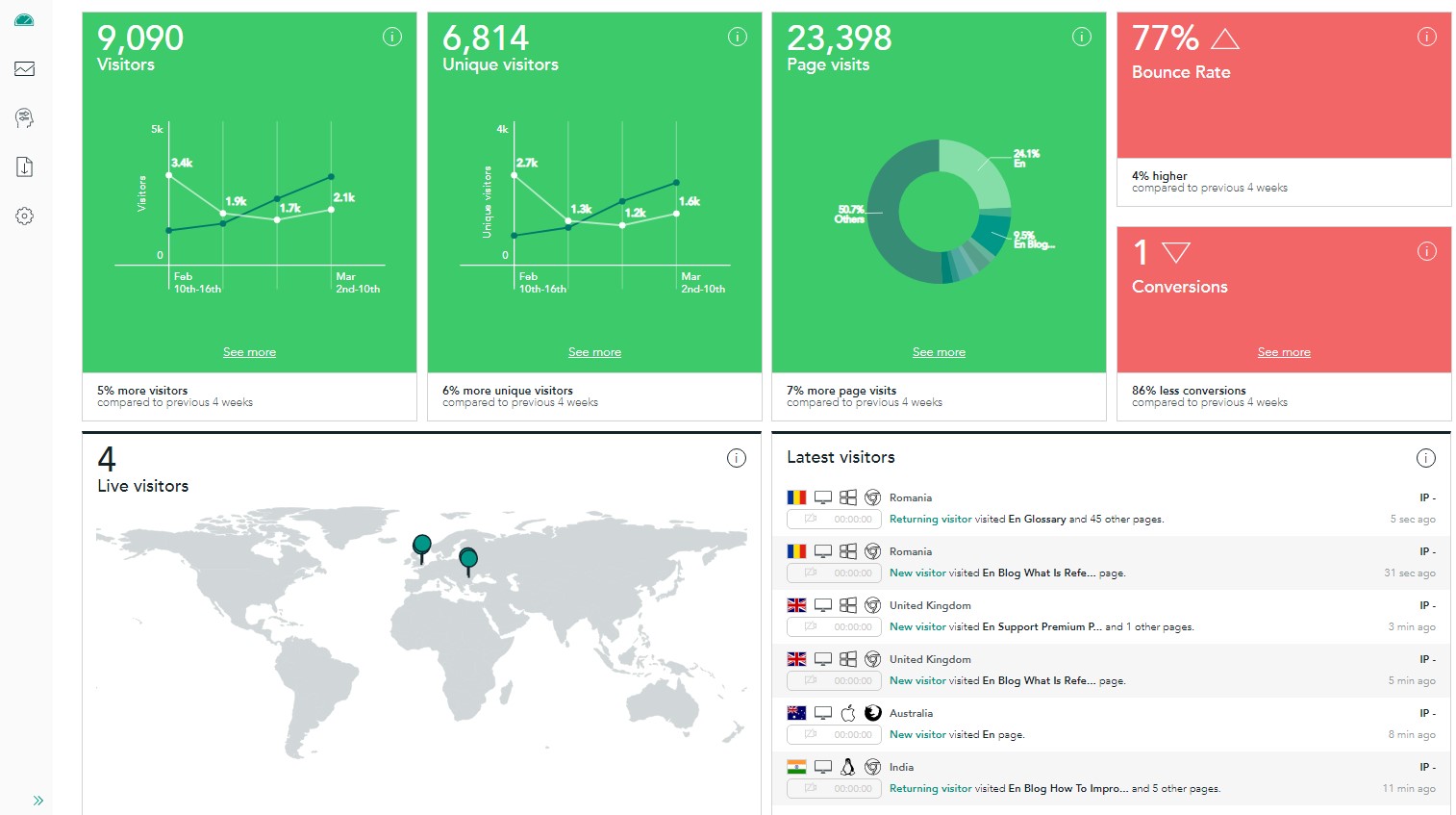
- Google Analytics 4 remains the standard free tool for website traffic and behavior analysis, now with AI-powered insights that automatically flag notable trends.
- Tableau handles more advanced data visualization, useful for businesses working with larger, more complex datasets across multiple sources.
- Looker Studio (formerly Google Data Studio) creates free, shareable dashboards pulling data from multiple sources into one visual report.
- AI-powered analytics platforms increasingly surface anomalies and trends automatically, reducing the need for manual data exploration to spot what’s actually significant.
Turning Raw Data Into Business Decisions
Collecting data is only useful if it actually informs decisions. The most effective approach starts with a specific business question, like “which marketing channel brings the highest-value customers”, rather than collecting data broadly and hoping useful patterns emerge on their own. This targeted approach connects closely to the kind of data-driven decision-making covered in our keyword research guide, where specific questions guide which data actually matters to look at.
Regular reporting cadences, weekly or monthly reviews of key metrics, help ensure data actually gets used rather than collected and forgotten. A dashboard nobody checks regularly provides no more value than having no analytics at all.

AI’s Growing Role in Data Analytics
AI has meaningfully changed how businesses interact with their data. Instead of manually building charts and searching for patterns, modern platforms can answer plain-language questions directly, “what caused last month’s sales dip,” for example, and receive an AI-generated explanation based on the underlying data automatically. This democratizes data analysis for people without formal data science training, similar to how AI has broadened access across other technical marketing tasks.
Choosing Analytics Tools for Your Business Size
| Business Size | Recommended Starting Point | Why |
|---|---|---|
| Solo or small business | Google Analytics 4 + Looker Studio | Free, sufficient for most basic reporting needs |
| Growing business | Add a CRM’s built-in analytics | Connects sales data directly to marketing performance |
| Larger organization | Tableau or similar BI platform | Handles complex, multi-source data at scale |
Common Data Analytics Mistakes
- Tracking too many metrics at once, making it hard to identify which numbers actually matter for decision-making.
- Never acting on insights, collecting data that sits in a dashboard without informing any actual business changes.
- Ignoring data quality issues, drawing conclusions from incomplete or improperly tracked data without realizing it.
- Over-relying on AI-generated insights without understanding the underlying data well enough to sanity-check the conclusions.
Frequently Asked Questions
Do small businesses really need dedicated data analytics tools?
Yes, even basic tools like Google Analytics 4 provide meaningful insight into what’s actually working, often revealing surprises that pure intuition would miss.
Is data analytics technology expensive to implement?
Not necessarily. Google Analytics 4 and Looker Studio are both free, covering solid basic reporting needs for most small to mid-size businesses.
How much technical skill do I need to use modern analytics tools?
Less than you might expect. AI-powered features increasingly let users ask plain-language questions about their data rather than requiring SQL or advanced spreadsheet skills.
What’s the biggest mistake businesses make with data analytics?
Collecting data without a clear plan to act on it. Analytics only creates value when insights actually change decisions and behavior.
Bottom Line
Data analytics technology has become accessible enough that businesses of any size can make genuinely data-informed decisions rather than relying on guesswork. Start with free, accessible tools like Google Analytics 4, focus on a small set of metrics tied to specific business questions, and build a regular reporting habit so the data you collect actually gets used.