

Quick Answer: Keyword research digital marketing strategies start with finding what your customers actually type into Google, then organizing those terms by search intent and difficulty before creating content. Tools like Google Keyword Planner, Ahrefs, and SEMrush show you search volume and competition, but the real skill is picking keywords you can realistically rank for, not just the highest-volume ones. Most successful digital marketing campaigns target a mix of high-volume “head” keywords and lower-competition “long-tail” phrases that convert at a much higher rate.
Why Keyword Research Drives Digital Marketing Results
Keyword research digital marketing efforts succeed or fail based on one simple question: are you targeting words your actual customers search for? Guessing at keywords, or copying whatever a competitor ranks for, usually wastes content budget on terms that either get no traffic or attract the wrong audience entirely.
Good keyword research connects three things: what people search for, why they’re searching (their intent), and how likely you are to actually rank for that term given your site’s current authority. Skipping any one of those three factors is where most digital marketing keyword strategies go wrong, even when the research itself looks thorough on paper.
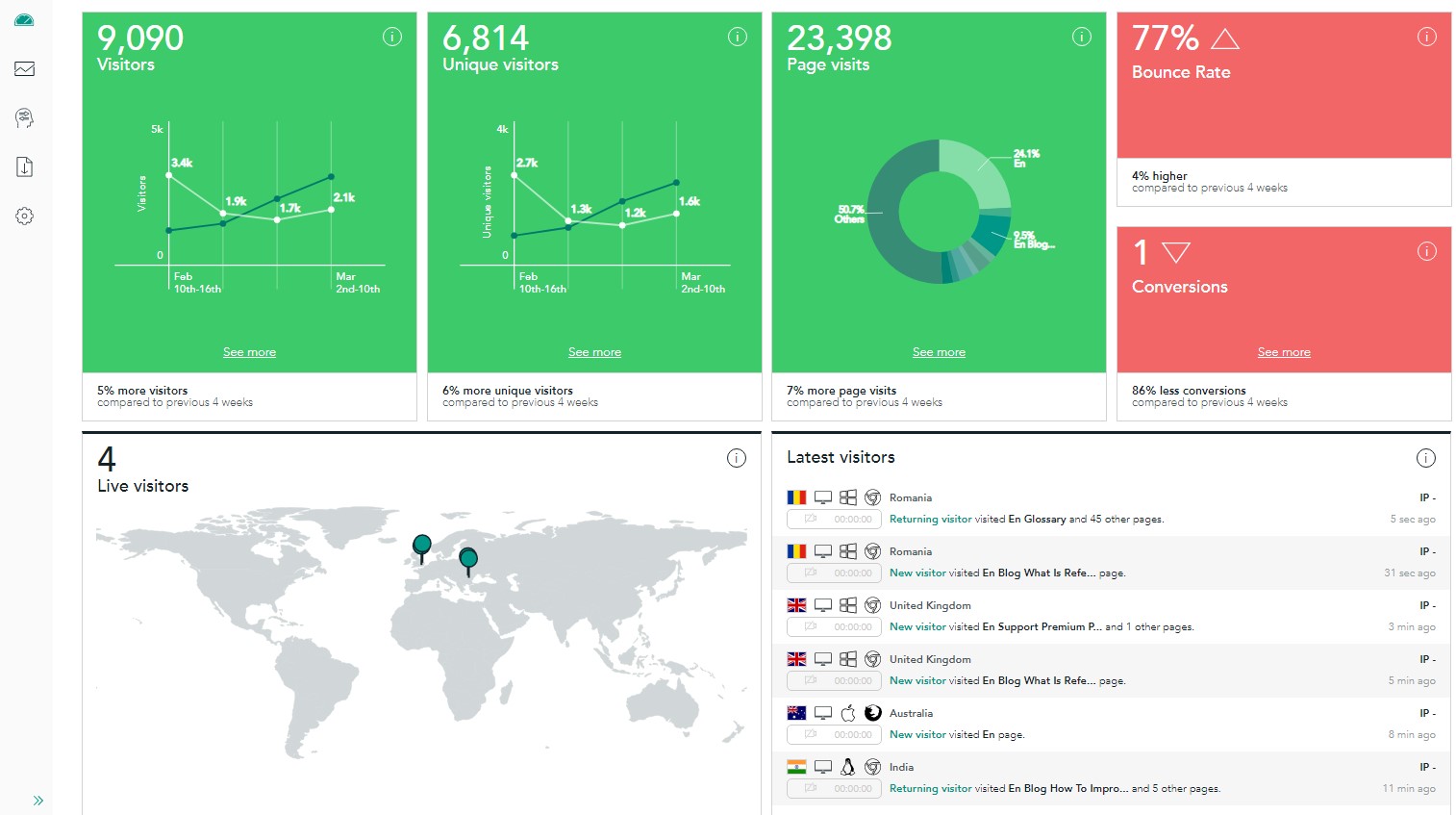
Free and Paid Keyword Research Tools
- Google Keyword Planner is free and shows genuine Google search volume, though it groups similar terms together rather than giving exact numbers for each variation.
- Google Search Console, also free, shows which keywords are already bringing traffic to your existing pages, often revealing opportunities you didn’t deliberately target.
- Ahrefs and SEMrush are paid tools offering detailed difficulty scores, competitor keyword gaps, and click-through rate estimates by ranking position.
- AnswerThePublic visualizes actual questions people ask around a topic, useful for finding content ideas beyond simple keyword phrases.
For teams also running paid search alongside SEO, our CRM software comparison covers tools that help track which keywords actually convert into customers, not just clicks.
Understanding Search Intent
The same keyword can mean different things depending on what the searcher actually wants. Someone searching “best running shoes” might want a buying guide, while “running shoes size 10” signals they’re ready to purchase a specific product. Digital marketing keyword strategies that ignore this distinction often create the wrong type of content, a blog post when a product page was needed, or vice versa.
Google’s own search results are the best clue to intent. If the first page is dominated by product listings, that keyword has commercial intent. If it’s full of long-form guides and comparison articles, informational content is likely to perform better than a sales page.

Long-Tail Keywords: The Underrated Opportunity
High-volume keywords get most of the attention, but they’re also the most competitive. Long-tail keywords, longer and more specific phrases like “best keyword research tools for small ecommerce shops” instead of just “keyword research tools”, typically have lower search volume individually but add up to significant traffic collectively, while facing far less competition.
Long-tail traffic also tends to convert better, since searchers using specific phrases usually know exactly what they want. A digital marketing strategy built entirely around a handful of broad, high-volume keywords often loses to a strategy targeting dozens of specific long-tail phrases that collectively reach the same audience with far less competitive pressure.
How to Prioritize Which Keywords to Target
| Factor | What to Check | Why It Matters |
|---|---|---|
| Search Volume | Monthly searches in Keyword Planner or Ahrefs | Higher volume means more potential traffic, but also more competition |
| Keyword Difficulty | Difficulty score from your research tool | Lower difficulty keywords are realistic targets for newer or smaller sites |
| Search Intent | What content type ranks on page one currently | Matching intent is often more important than volume for actually ranking |
| Business Relevance | Does this keyword relate to what you actually sell or offer | High-traffic keywords unrelated to your business rarely convert |
Turning Keywords Into a Content Calendar
Once you’ve gathered a list of target keywords, group them by topic rather than treating each one as a separate, unrelated article. A cluster of related keywords around one core topic can often be covered by a single comprehensive page plus a few supporting articles, rather than many thin pages competing with each other for the same search terms.
Tools like Ahrefs can help map out these clusters visually, showing which keywords naturally group together based on the pages currently ranking for them. This clustering approach also supports better blog workflow automation, since a content calendar built around clusters is far easier to plan and schedule than one built around dozens of disconnected single keywords.
Common Keyword Research Mistakes
- Chasing only high-volume keywords regardless of how competitive or relevant they are to your actual business.
- Ignoring search intent and creating a blog post for a keyword that’s really looking for a product page, or vice versa.
- Never revisiting keyword research after the initial content plan, missing new opportunities as search trends shift.
- Keyword stuffing content unnaturally instead of writing for the reader first and optimizing naturally around the topic.
Frequently Asked Questions
How many keywords should one piece of content target?
One primary keyword plus a handful of closely related secondary keywords works best. Trying to rank a single page for many unrelated keywords usually dilutes its focus and hurts rankings for all of them.
Is keyword research still relevant with AI search tools becoming more common?
Yes, though the process is evolving. Understanding what questions people actually ask, and matching content to genuine search intent, remains valuable whether the searcher is using traditional Google search or an AI-powered answer engine.
What’s a good keyword difficulty score for a newer website?
Newer sites typically see better results targeting keywords with a difficulty score under 30 on most tools, gradually moving to more competitive terms as the site builds authority.
Do I need paid tools for keyword research?
Not necessarily. Google Keyword Planner and Google Search Console, both free, can support solid keyword research, especially for smaller sites just getting started.
Bottom Line
Effective keyword research digital marketing strategies balance search volume, competition, and genuine business relevance rather than chasing whatever keyword has the biggest number attached to it. Start with free tools to identify realistic opportunities, group related keywords into content clusters, and revisit your research regularly as search trends and your own site’s authority change over time.