
Quick Answer: Country music icon Dolly Parton died on August 25, 2026, at age 80, following what her estate described as a brief battle with cancer. She passed peacefully in Nashville, surrounded by loved ones, days after publicly acknowledging ongoing health struggles. President Trump ordered U.S. flags flown at half-staff nationwide through sunset on September 1, 2026, in her honor. That order sparked a smaller, separate news story: the Republican mayor of Olive Branch, Mississippi, publicly declined to lower his city’s flag, arguing the honor should be reserved for military heroes, first responders, and major national leaders — a decision that drew both defenders and sharp criticism. Beyond the tributes, Parton’s death has triggered a surge of donations and sign-ups for her Imagination Library literacy program, which has distributed more than 300 million free books to children worldwide since 1995.
In This Guide
- How Dolly Parton Died
- Her Final Months: A Timeline
- National Tributes and the Flag Order
- The Olive Branch Flag Lowering Debate
- Her Musical Legacy
- Her Philanthropic Legacy
- The Surge in Support for the Imagination Library
- What Happens to Her Estate
- How the Half-Staff Flag Tradition Works
- Frequently Asked Questions
How Dolly Parton Died
Dolly Parton died on Tuesday, August 25, 2026, at the Vanderbilt-Ingram Cancer Center in Nashville, Tennessee, surrounded by loved ones. Her nephew, Bryan Seaver, announced her passing in a video message shared to her official Instagram account. Two days later, her estate released a fuller statement confirming the cause: “After bravely facing a brief battle with cancer, Dolly departed her Earthly life today… surrounded by loved ones,” the statement read, signed “Team Dolly.”
Parton had not publicly disclosed a cancer diagnosis before her death. Her sister, Stella Parton, later shared that Dolly had told her she would allow her medical team to try experimental treatments even without hope for herself, “in the hope of helping others in the future.” A small, private service was held for immediate family. In lieu of flowers, her family asked that well-wishers direct donations to her Imagination Library literacy program instead.
Her Final Months: A Timeline
Parton had been dealing with health issues for over a year before her death, though she kept most specifics private until very close to the end:
- 2025: Parton postponed a planned Las Vegas residency, citing unspecified health problems that required her to stay closer to home in Tennessee for treatment.
- May 2026: She canceled the residency outright, revealing she had been managing chronic kidney stones along with challenges affecting her immune and digestive systems.
- June 24, 2026: Parton made what would be her last major in-person public appearance, a surprise visit to the grand opening of Dolly’s Tennessean Travel Stop, a gas station and restaurant bearing her name, in Cornersville, Tennessee.
- August 14, 2026: She was scheduled to attend the opening of a new ride at Dollywood but sent a recorded video instead, telling fans she’d been getting “a little dizzy” and dehydrated, and that her doctor had “clipped my wings” from traveling that week.
- August 21, 2026: Parton shared a statement with People magazine saying she was finally taking time to address health issues she “didn’t pay attention to” while caring for her husband, Carl Dean, before his death in 2025.
- August 25, 2026: She died at age 80.
In hindsight, the pattern of postponed appearances and vague references to “a few little health issues” reads as Parton managing a private battle largely out of public view until the very end, consistent with her family’s account that the cancer diagnosis itself was recent and the illness moved quickly.
National Tributes and the Flag Order
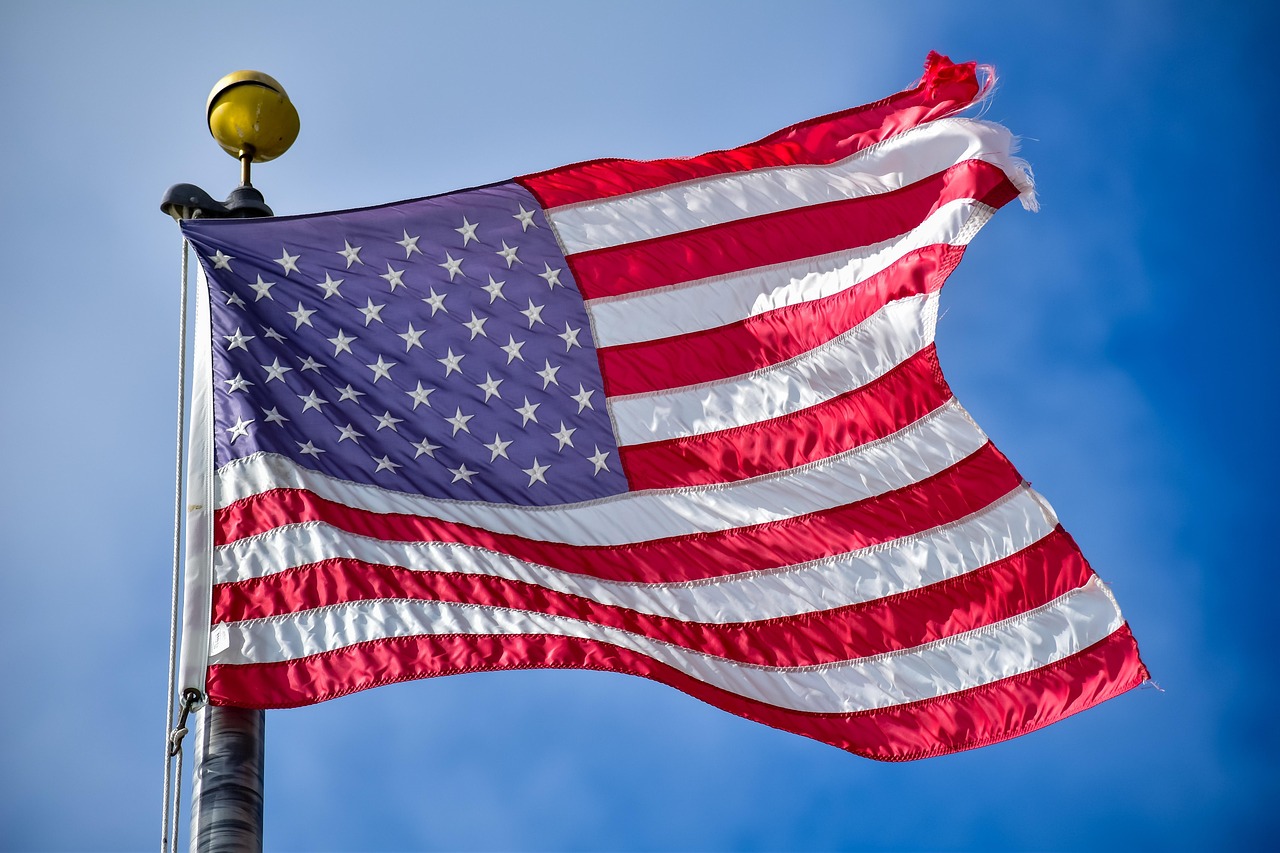
The scale of public mourning after Parton’s death was immediate and broad. President Trump signed a presidential proclamation ordering the American flag flown at half-staff at the White House, on all public buildings and grounds, at military posts and naval stations, and at U.S. embassies and consular offices abroad, from her death until sunset on September 1, 2026. In his remarks, Trump stressed the gesture wasn’t about politics: “It isn’t about disrespecting Dolly Parton… and it certainly isn’t about saying she wasn’t a great American.”
Tributes poured in across industries and generations. Fellow country stars including Reba McEntire, Kacey Musgraves, and Willie Nelson shared personal tributes, while figures as varied as Mick Jagger, Dionne Warwick, Pink, Khloé Kardashian, Jeff Bezos, and Donatella Versace offered public condolences. The Empire State Building was lit pink in her honor, murals appeared across multiple cities, and fans left flowers at both her star on the Nashville Walk of Fame and the gates of her home.
The Library of Congress, which had received the Imagination Library’s 100 millionth book donation from Parton directly, posted its own tribute describing her as a “titan of children’s literacy.” Local news outlets across dozens of states, from Virginia to North Carolina to Alabama, ran features on the Imagination Library’s local impact in the days following her death, reflecting how deeply the program had embedded itself in individual communities well beyond Parton’s home state of Tennessee. The Houston Livestock Show and Rodeo, an organization with no obvious direct connection to Parton’s country music career, also issued a formal statement honoring her memory, a small illustration of how far her cultural reach extended beyond Nashville.
The Olive Branch Flag Lowering Debate
Not every local official followed the presidential order without objection. Ken Adams, the Republican mayor of Olive Branch, Mississippi, posted a statement on the city’s Facebook page arguing against lowering that city’s flag, despite both Trump and Mississippi Governor Tate Reeves ordering flags lowered statewide.
Adams framed his position as a matter of principle rather than a judgment of Parton personally: “I believe lowering the American flag to half-staff should mean something very significant,” he wrote. “In my opinion, it should be reserved for our military heroes, fallen first responders, presidents and other major national leaders, or events that have had a tremendous impact on our country… If we lower the flag every time a well-known or beloved person passes away, I believe we eventually lessen the meaning of the gesture.” He added that he didn’t believe voters elected him to be a “salute and execute” mayor, but to lead according to his own judgment.
The reaction split sharply. Supporters argued Adams was defending a meaningful, limited tradition from gradual dilution, and that a mayor exercising independent judgment on a symbolic local matter is a reasonable use of the office. Critics countered that Parton’s decades of philanthropy, including substantial support for military families and first responders through her charitable foundations, met any reasonable bar for the honor, and that Adams had drawn unwanted controversy onto himself by publicly objecting rather than quietly complying. One commenter identifying as a veteran and first responder wrote that Parton “gave her time and money to the military and multiple organizations… She earned this.” Others accused Adams of turning a moment of shared grief into a political statement by objecting publicly at all.
It’s worth noting Parton herself spent much of her career deliberately avoiding exactly this kind of political entanglement, having said for decades, “I’m not in politics, I’m an entertainer,” and having twice declined the Presidential Medal of Freedom during the first Trump administration, reportedly to avoid being seen as aligned with any side.
Her Musical Legacy
Parton’s catalog spans more than six decades and includes some of the most recognized songs in American music: “Jolene,” “9 to 5,” and “I Will Always Love You” — the latter written in a single day in 1973 and later becoming a global hit for Whitney Houston. She wrote much of her catalog herself, retained ownership of her publishing rights, and built a business empire around her music that included the Dollywood theme park in her native Sevier County, Tennessee.
Parton began her career in the early 1960s, moving to Nashville the day after graduating high school in 1964. She rose to national attention as a duet partner and protégé of country star Porter Wagoner before launching a solo career that would eventually eclipse his. Her decision to leave Wagoner’s show in 1974, memorialized in the song “I Will Always Love You,” was itself a significant moment in country music history, marking one of the first times a female artist in the genre publicly asserted creative independence from a male mentor and bandleader.
Over the following decades, Parton crossed into film with roles in “9 to 5” (1980) and “Steel Magnolias” (1989), building a media presence well beyond music. She earned dozens of Grammy nominations and wins across her career, along with a Kennedy Center Honor, a National Medal of Arts, and induction into the Country Music Hall of Fame. Even in her later years, she remained commercially active, releasing a rock album, “Rockstar,” in 2023 that featured collaborations with Paul McCartney, Elton John, and other major artists, demonstrating a continued relevance rare for an artist in her seventies.
Beyond record sales, Parton was widely respected across genres and generations for a rare combination of commercial success, songwriting credibility, and a public persona that avoided the partisan and personal controversies that ensnared many of her peers over a career that long. Fellow musicians frequently cited her as an influence regardless of genre, from country and pop artists to rock musicians who covered her songs or sought her out for collaborations.
Her Philanthropic Legacy
Parton’s charitable footprint arguably rivals her musical one, and unlike much celebrity philanthropy, hers was often personally directed rather than delegated entirely to a foundation staff. She frequently credited her impoverished upbringing as one of twelve children in a one-room cabin in the Great Smoky Mountains as the motivation behind her giving, saying she wanted to address the kinds of gaps — in literacy, healthcare access, and disaster relief — that had shaped her own childhood. Estimates cited by Parade suggest she gave away as much as $600 million over her lifetime. Key elements of that legacy include:
- Dolly Parton’s Imagination Library: Founded in 1995 in tribute to her father, who struggled with literacy, the program mails a free book every month to enrolled children from birth until age five. It has distributed more than 300 million books worldwide and donated its 100 millionth book directly to the Library of Congress, which described her as a “titan of children’s literacy.”
- COVID-19 vaccine research funding: Parton donated $1 million to Vanderbilt University Medical Center in 2020 to help fund early-stage trials that contributed to the development of the Moderna vaccine, a contribution Scientific American specifically highlighted for its role in accelerating the research timeline.
- The Dollywood Foundation: Provides scholarships and community support programs rooted in her home region of East Tennessee, funded in part through Dollywood theme park tourism revenue. The foundation has funded thousands of scholarships for Sevier County students over multiple decades.
- Wildfire and disaster relief: Parton’s My People Fund provided direct financial assistance to families displaced by the 2016 Great Smoky Mountains wildfires, distributing $1,000 monthly payments to affected households for six months.
- HIV/AIDS research support: Parton also contributed to HIV/AIDS research and awareness efforts over the years, part of a broader pattern of directing philanthropy toward medical causes that received comparatively less mainstream funding at the time.
The Surge in Support for the Imagination Library
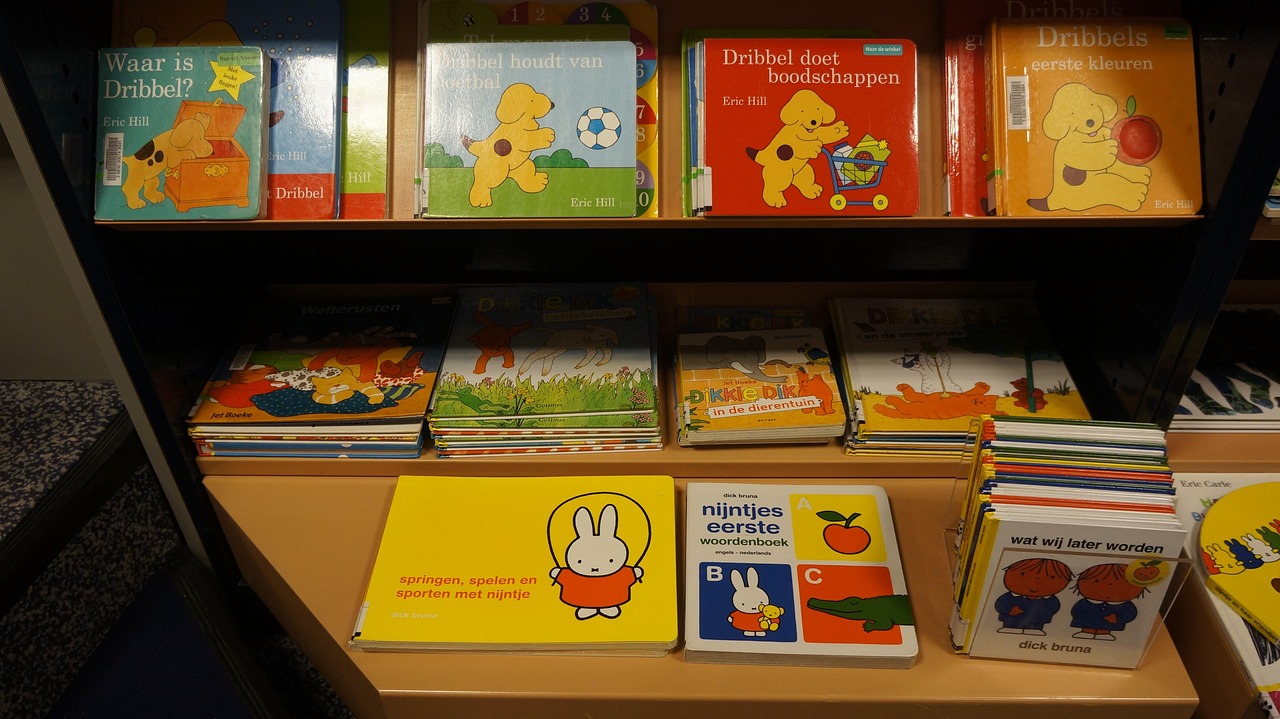
One of the more striking developments since Parton’s death has been a rapid, organic surge in support for her signature charity. In Alabama, a proposed specialty license plate to help fund the Imagination Library statewide jumped from roughly 40 commitments to more than 550 within a single week. State director Kaelyn Christian said registrations for the program itself had “gone crazy in the last 24 hours” following Parton’s death, with about 114,000 Alabama children already enrolled.
Similar surges were reported elsewhere. In Richmond, Virginia, the local Imagination Library affiliate received nearly $4,000 in donations from 70 individual donors within days of the news breaking, alongside roughly 300 new child sign-ups. In North Carolina, the program has distributed more than 24.6 million free books since 2017 through the state’s Smart Start network, with over 241,000 children currently enrolled. Parton’s family specifically asked mourners to direct donations to the program in lieu of flowers, and the response suggests that request resonated widely.
What Happens to Her Estate
No public announcement has been made regarding the distribution of Parton’s estate, though reporting suggests it is expected to continue funding her philanthropic efforts. The Dollywood Foundation’s most recent tax filing lists Parton as chair of the organization, with Jeff Conyers serving as president, suggesting existing organizational structures are positioned to carry her charitable work forward regardless of how her personal estate is ultimately settled.
How the Half-Staff Flag Tradition Actually Works
The Olive Branch dispute drew attention to a tradition that most Americans rarely think about in detail: who actually has the authority to order a flag lowered, and under what rules. Federal law gives the president broad authority to order flags lowered nationwide, typically reserved for the deaths of sitting or former presidents, other high-ranking federal officials, and, at the president’s discretion, private citizens judged to have made an extraordinary national impact. Governors hold similar authority within their own states, which is why Mississippi Governor Tate Reeves separately ordered flags lowered statewide alongside Trump’s national order.
What’s less standardized is the authority of local officials, like city mayors, over flags on municipal property. In most jurisdictions, a mayor can choose to follow a state or federal half-staff order for city-owned flagpoles, but isn’t always legally compelled to do so absent a specific state statute requiring it. That legal gray area is exactly what allowed Adams to decline in Olive Branch even after both the president and his own governor had issued orders — a scenario that, while unusual, isn’t unprecedented for other well-known public figures whose deaths prompted discretionary half-staff orders.
Flag protocol experts have periodically raised the same concern Adams voiced publicly: that half-staff orders for celebrities and public figures, rather than exclusively military and government figures, have become more frequent in recent decades, and that this could eventually dilute the gesture’s symbolic weight. That’s a genuine, longstanding debate within flag etiquette circles rather than a position unique to Adams, even though his public framing of it drew unusually sharp backlash given the timing and subject.
Frequently Asked Questions
How did Dolly Parton die?
Dolly Parton died from complications of cancer, according to a statement from her estate. She passed peacefully at the Vanderbilt-Ingram Cancer Center in Nashville on August 25, 2026, at age 80, surrounded by loved ones. She had not publicly disclosed the cancer diagnosis before her death.
Why did Trump order flags lowered for Dolly Parton?
President Trump issued a presidential proclamation ordering U.S. flags flown at half-staff nationwide and at American facilities abroad through sunset on September 1, 2026, describing it as a mark of respect for Parton’s impact on American culture and her extensive philanthropy.
What is the Olive Branch, Mississippi flag controversy about?
Olive Branch Mayor Ken Adams publicly declined to lower his city’s flag despite Trump’s and the Mississippi governor’s orders, arguing that half-staff honors should be reserved for military heroes, first responders, and major national leaders. His stance drew both support and significant public criticism.
What is Dolly Parton’s Imagination Library?
It’s a literacy nonprofit Parton founded in 1995 that mails a free book each month to enrolled children from birth to age five. It has distributed more than 300 million books worldwide and has seen a sharp rise in donations and enrollments since Parton’s death.
Did Dolly Parton have any children?
No, Dolly Parton did not have biological children. She was married to Carl Dean for nearly 60 years until his death in 2025, and was known for supporting numerous nieces, nephews, and the countless children reached through her Imagination Library.
How much money did Dolly Parton donate to charity over her lifetime?
Estimates cited by Parade suggest Parton gave away as much as $600 million over the course of her life, spanning literacy programs, medical research funding, disaster relief, and regional scholarship programs in East Tennessee.
Did Dolly Parton accept the Presidential Medal of Freedom?
No. Parton said she was offered the honor twice by the Trump administration and declined both times — once due to her husband’s illness, and again because she didn’t want to travel during the COVID-19 pandemic. She was known for avoiding association with any single political administration throughout her career.
Was Dolly Parton’s cancer diagnosis public before her death?
No. Parton had spoken publicly about general “health issues,” dizziness, dehydration, and chronic kidney stones in the months before her death, but her family did not disclose the cancer diagnosis specifically until after she died. Her sister Stella indicated the diagnosis and its progression happened relatively quickly.
What did Dolly Parton’s family ask fans to do in her memory?
In lieu of flowers, Parton’s family asked that donations be made to her Imagination Library. They also invited fans to share messages online by tagging her official accounts or leaving notes on her website, while keeping her funeral service small and private for immediate family.
Bottom Line
Dolly Parton’s death at 80 closed out a six-decade career that blended commercial music success with a philanthropic legacy few entertainers have matched, most visibly through the Imagination Library’s more than 300 million donated books. The national flag-lowering order that followed her death drew near-universal support, with one notable exception in Olive Branch, Mississippi, that briefly became its own story about how, and for whom, that particular honor should be used — a debate flag etiquette experts had been having quietly for years before it became a national news story. Whatever view people take of that local dispute, the broader public response — a rapid, voluntary surge in support for her literacy charity — reflects the scale of the legacy she leaves behind.