
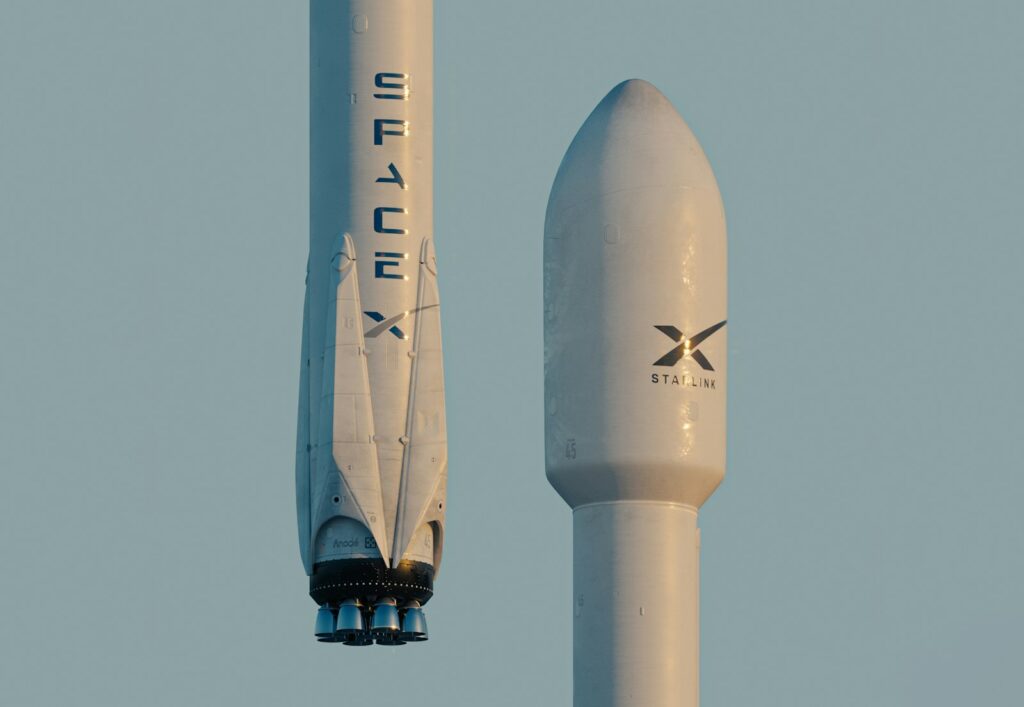
Quick Answer: SpaceX announced on August 25, 2026, that it will invest at least $100 billion to build Starbase, Louisiana — a massive new Starship spaceport on 125,000 acres in Vermilion Parish, along the state’s Gulf Coast. The site, built on former ExxonMobil land roughly 115 miles west of New Orleans, is expected to become SpaceX’s fourth and largest launch complex, with five launch centers, on-site fuel production, power generation, and even housing. Construction is scheduled to begin in 2027, with the first launch targeted as early as 2029. The project is expected to create more than 3,000 direct jobs and has already drawn both strong state support and environmental concern over its coastal wetlands location.
What SpaceX Announced
On Tuesday, August 25, 2026, SpaceX unveiled plans for what it’s calling Starbase, Louisiana — a $100 billion Starship launch complex that would become the company’s largest spaceport to date. The announcement came via SpaceX’s website and an accompanying video statement from CEO Elon Musk, who framed the project as a necessary step toward “a multiplanetary future.”
The scale of the commitment stands out even by SpaceX’s own standards. The company says it is investing at least $100 billion and expects the project to create more than 3,000 new direct jobs at the site. Louisiana Governor Jeff Landry, who appeared at the announcement event, called it a “pivotal moment” for the state, noting that the deal pushes Louisiana beyond $250 billion in total new investment secured in recent years.
This is a different kind of SpaceX headline than the company’s other major 2026 move — its $60 billion acquisition of the AI coding platform Cursor, which closed just eleven days earlier on August 14. Together, the two announcements show a company expanding aggressively on two very different fronts at once: physical launch infrastructure on one side, and AI software and compute on the other.
Where Starbase Louisiana Will Be Built
The new spaceport will sit on Pecan Island in Vermilion Parish, on Louisiana’s Gulf Coast, roughly 115 miles (185 km) west of New Orleans. The 125,000-acre site was formerly owned by ExxonMobil, and SpaceX’s announcement followed the dismissal of a long-standing coastal land dispute involving the previous owner, which cleared title access to the marshland tract.
SpaceX says the choice followed a seven-year search for a suitable second Starship site to complement its existing Starbase facility in Boca Chica, Texas, where the rocket continues active flight testing. The Louisiana location offers direct Gulf of Mexico access and enough undeveloped coastal land to support a launch complex at a scale that wouldn’t be feasible to add onto the existing Texas site.
Unlike Texas Starbase, rockets built for the Louisiana site won’t be manufactured on location — SpaceX plans to ship completed vehicles to the spaceport via deep-water transit routes rather than build them on-site, a logistical approach that shapes much of the infrastructure the company plans to construct there.
What’s Planned for the Site
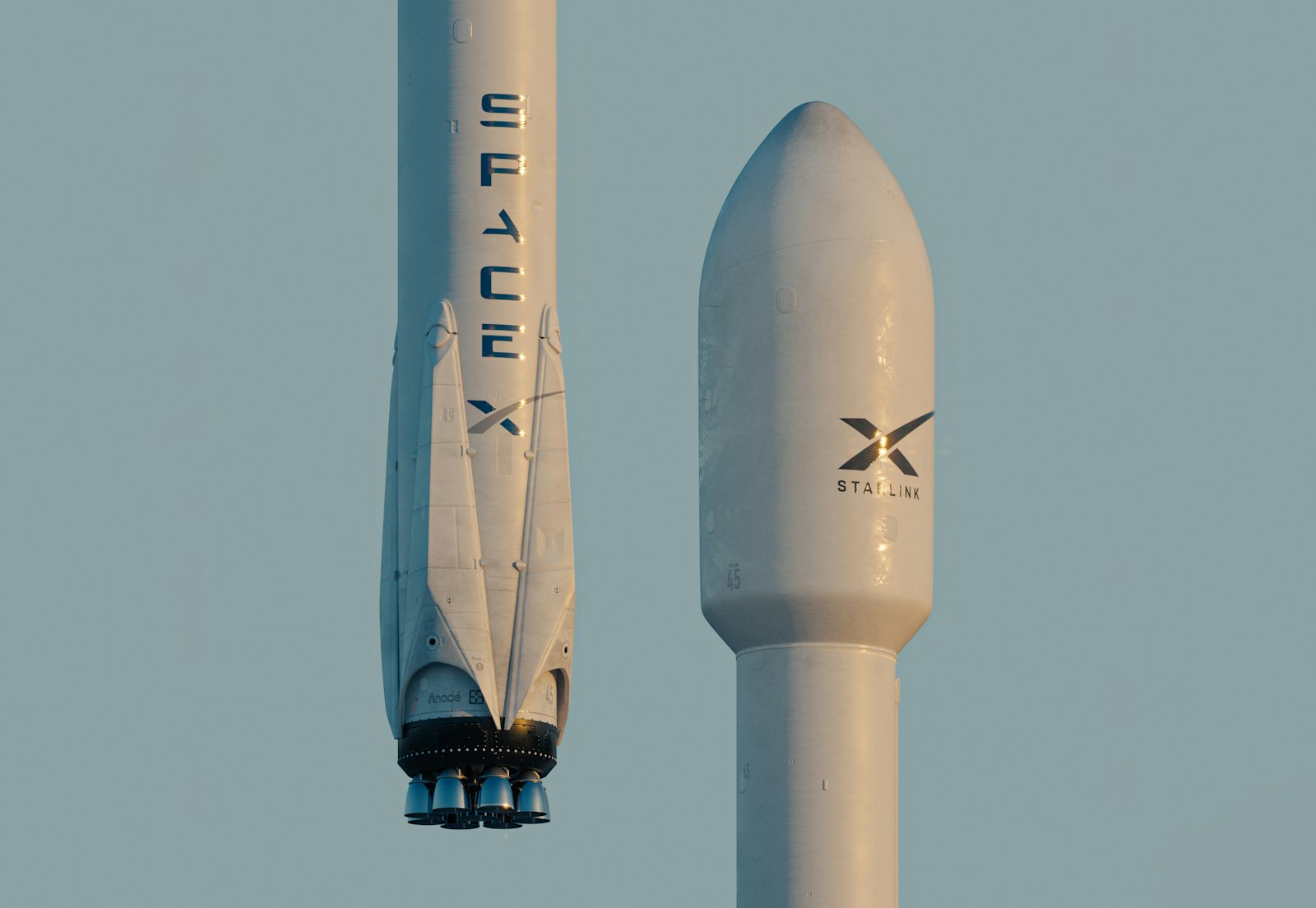
At full buildout, Starbase Louisiana is expected to include five separate launch complexes, each equipped with two launchpads — roughly ten pads in total. In a follow-up social media post after the announcement, Musk suggested the facility could eventually grow even further, describing the potential for more than a dozen launch towers capable of supporting up to 30 flights per day.
Beyond the launch pads themselves, SpaceX’s plans call for a much broader campus, including:
- On-site propellant production and storage for Starship’s fuel needs
- Dedicated power generation infrastructure to support round-the-clock launch operations
- Vehicle processing and handling facilities for rockets arriving via deep-water shipping
- Deep-water port capabilities to receive completed Starship vehicles by sea
- Employee housing on or near the site
- A possible airport to support personnel and logistics
That combination — launch pads, a working port, power generation, and housing all in one campus — is a notably different model from a traditional single-purpose launch site, and it reflects how central Starship has become to SpaceX’s long-term plans for lunar and Mars missions.
Timeline: Construction and First Launch
SpaceX has laid out a multi-year path for the project:
- August 25, 2026: Official announcement of the $100 billion Starbase Louisiana investment.
- 2027: Construction is scheduled to begin on the site.
- As early as 2029: Target date for the first launch from the new Louisiana complex.
That timeline runs in parallel with SpaceX’s ongoing Starship testing program at the existing Texas facility, where the rocket’s next major test flight — aiming to reach orbit for the first time — was expected as early as September 2026, just weeks after the Louisiana announcement. Starship had already completed its 10th test flight from Starbase, Texas, on August 26, 2026, the day immediately following the Louisiana announcement, continuing a test campaign that has included a string of both successes and high-profile failures since the vehicle’s first flight in April 2023.
Jobs and Economic Impact
Louisiana state economic development officials project the Starbase Louisiana campus will directly support roughly 3,000 positions, with an average annual salary of about $92,600 — nearly triple the regional median income. Beyond direct employment, the project is projected to support an estimated 8,100 additional indirect jobs across the surrounding Acadiana region.
Governor Landry’s administration had laid legislative groundwork for the project well before the formal announcement. Legislation signed earlier in 2026, effective from May, exempts certain aerospace developments from standard public review requirements, makes unauthorized entry onto a spaceport a felony offense, and provides financial incentives for aerospace manufacturers setting up operations in the state — a package of measures widely read as designed to attract exactly this kind of large-scale aerospace investment.
For a state that has never previously hosted an orbital launch site, the economic stakes are significant. Landry described the announcement as an “inflection point” for Louisiana, positioning the state alongside Texas and Florida as a serious player in the U.S. commercial space industry — an industry where, according to Motley Fool Research cited alongside SpaceX’s Q2 2026 earnings, the company was already responsible for 82% of all commercial launches worldwide the previous year.
The jobs themselves are expected to span a wide range of skill levels and disciplines — from aerospace engineers and vehicle technicians to construction crews building out the initial campus, port operations staff handling deep-water vehicle deliveries, and power-plant personnel running the on-site generation infrastructure. That breadth is part of why state officials are framing the project as a regional economic anchor rather than a narrow, highly specialized employer: unlike a facility that only needs a small number of aerospace PhDs, a spaceport of this scale needs a large, sustained workforce across construction, logistics, operations, and skilled trades for years before the first launch even happens.
Environmental Concerns
The location has drawn scrutiny specifically because of what it’s built on: sensitive coastal wetlands that play an outsized role in the region’s ecology. According to a 2017 U.S. Geological Survey estimate, Louisiana has experienced more coastal wetland loss than the combined total of every other state in the contiguous United States — a statistic environmental groups have repeatedly raised in response to the announcement.
Pecan Island itself functions as a natural buffer against storm surges for the surrounding region and serves as a sanctuary for migratory wildlife. Local environmental advocates have called for transparent public hearings on the project, arguing that the site’s ecological role in storm protection and habitat preservation deserves closer scrutiny before construction begins. SpaceX has said it intends to leave portions of the site undeveloped, though specifics on how much acreage that covers, and which areas, haven’t been fully detailed publicly.
This tension — between the state’s push for large capital investment and jobs, and concerns from environmental groups over wetland loss — mirrors debates SpaceX has already faced at its Texas Starbase site, which also sits near ecologically sensitive coastal habitat and has drawn opposition from environmental organizations throughout its development.
Why SpaceX Needs a Second Spaceport
The case for expanding beyond Texas comes down to launch cadence. Starship is designed to be fully reusable and, once operational at scale, capable of flying far more frequently than any of SpaceX’s existing rockets. A single launch site — even one as large as Starbase, Texas — creates a natural ceiling on how many missions the company can fly per year, and that ceiling becomes a bigger problem the more SpaceX leans on Starship for its future business, from Starlink satellite deployment to NASA’s lunar lander program to eventual Mars missions.
To put the scale of ambition in perspective: Musk’s suggestion of up to 30 flights per day from a fully built-out Louisiana complex would represent a launch cadence that no rocket program in history has come close to achieving. Even SpaceX’s current Falcon 9 fleet, widely regarded as the most frequently flown orbital rocket family ever built, launches at a small fraction of that rate across all of its pads combined. Reaching anywhere near that cadence would require not just more launch pads, but the kind of rapid vehicle turnaround, streamlined regulatory approval, and manufacturing throughput that no launch provider currently sustains — which is part of why the Louisiana campus is being built with propellant production, power generation, and vehicle processing all under one roof, rather than relying on outside suppliers for each step.
Building the infrastructure now, years before it’s strictly needed, is a bet that launch capacity — not rocket design — will become the next bottleneck once Starship reaches routine operational status. It’s a similar logic to the one driving other major 2026 infrastructure bets across the AI and tech industry, where companies are increasingly investing heavily in physical capacity ahead of demonstrated demand. The same pattern shows up in the current scramble for AI chip and data-center capacity, where waiting until capacity constraints actually bite has proven far more expensive than building ahead of the curve.
Notably, SpaceX’s Louisiana announcement also touched on plans for orbital AI data centers powered by Nvidia chips, designed to process data in space — tying the new spaceport’s physical launch capacity directly to SpaceX’s growing ambitions in AI infrastructure, an area the company has also been expanding aggressively through its recent acquisition of Cursor and its ongoing Grok model development.
How Starbase Louisiana Fits SpaceX’s Broader 2026
The spaceport announcement lands in the middle of an extraordinary year for SpaceX. The company’s Q2 2026 revenue reached $7.8 billion, up 92% year-over-year, driven by continued growth across its launch business, a Starlink subscriber base that doubled over the past year, and an AI division that more than tripled its sales. SpaceX also went public in 2026 in what was widely described as the largest IPO in history, giving the company a massive new pool of capital to fund exactly this kind of large infrastructure bet.
That said, not every signal has been purely positive. Some analysts have noted SpaceX’s stock trading down significantly from its post-IPO highs, and coverage of the Louisiana announcement has included explicit warnings that, if Starship’s development doesn’t ultimately deliver on its promise, a $100 billion spaceport built years ahead of confirmed demand could become an expensive overbuild rather than a competitive advantage. Starship itself remains under active development and is not yet flying commercial missions — meaning the entire Louisiana investment is, in a real sense, a bet on a vehicle that hasn’t yet proven it can do what SpaceX needs it to do at scale.
How Starbase Louisiana Compares to Other Spaceports
Louisiana isn’t the only place racing to build next-generation launch infrastructure. China has been developing a floating spaceport off Haiyang designed to launch rockets from the Pacific Ocean, using a very different model — a mobile offshore platform rather than a large, fixed coastal complex. SpaceX’s approach with Starbase Louisiana follows the more traditional path of a large, permanent land-based facility, but the underlying motivation is similar: increasing launch flexibility and safety margins by moving some launch activity away from a single concentrated site.
| Site | Location | Status | Primary Use |
|---|---|---|---|
| Starbase, Texas | Boca Chica, TX | Active (Starship testing) | Development and test flights |
| Starbase, Louisiana | Vermilion Parish, LA | Announced, construction from 2027 | High-cadence operational launches |
| Kennedy Space Center / Cape Canaveral | Florida | Active | Falcon 9 / Falcon Heavy operations |
Once complete, Starbase Louisiana would give SpaceX three major U.S. launch regions spanning the Gulf Coast, the Atlantic Coast, and eventually additional West Coast operations — a geographic spread that reduces the company’s dependence on any single site staying operational and available.
How SpaceX Landed on Louisiana
SpaceX’s search for a second Starship site wasn’t a quick decision — the company says it spent roughly seven years evaluating potential locations before settling on Vermilion Parish. That length of search reflects just how specific the requirements are for a site capable of supporting Starship at the scale SpaceX envisions: direct ocean access for deep-water shipping, enough contiguous undeveloped land to build multiple launch complexes with adequate safety buffers between them, a coastline oriented to support the kind of trajectories Starship missions require, and a state government willing to move quickly on permitting and incentives.
Louisiana checked those boxes in ways other Gulf Coast locations reportedly didn’t. The Pecan Island site’s status as former industrial land — rather than untouched wilderness or a populated area — likely simplified some of the acquisition process, even though the surrounding wetlands remain ecologically sensitive. The dismissal of the long-running coastal land dispute involving ExxonMobil, the site’s former owner, cleared the path for SpaceX to finalize the deal shortly before the public announcement.
The state’s aggressive legislative push also mattered. By passing aerospace-friendly legislation months before SpaceX made its decision public, Louisiana positioned itself as one of the few states able to offer both the physical land and the regulatory environment SpaceX was looking for — a combination that ultimately outcompeted other Gulf Coast and Atlantic Coast alternatives the company reportedly considered over its multi-year search.
What’s Next
Several open questions will shape how the project actually unfolds over the next few years:
- Regulatory review. SpaceX still faces a significant permitting and environmental review process before construction can begin, despite the state-level legislative groundwork already in place.
- Public hearings. Environmental groups are pushing for transparent public hearings on the wetlands impact, which could affect the project’s timeline.
- Starship’s own progress. The spaceport’s entire premise depends on Starship successfully reaching routine, high-frequency operational status — something the rocket has not yet achieved even at its existing Texas site.
- Construction milestones. With ground work not expected to begin until 2027, the coming year will likely bring further details on phased construction, initial job postings, and finalized environmental commitments.
Frequently Asked Questions
When did SpaceX announce the Louisiana spaceport?
SpaceX announced the $100 billion Starbase Louisiana project on Tuesday, August 25, 2026, with Louisiana Governor Jeff Landry appearing at the announcement event.
Where exactly will Starbase Louisiana be located?
The spaceport will be built on Pecan Island in Vermilion Parish, Louisiana, on 125,000 acres of former ExxonMobil land along the Gulf Coast, roughly 115 miles west of New Orleans.
When will construction start and when is the first launch expected?
Construction is scheduled to begin in 2027, with SpaceX targeting a first launch from the site as early as 2029.
How many jobs will the project create?
Louisiana state officials project more than 3,000 direct jobs at an average annual salary of roughly $92,600, plus an estimated 8,100 additional indirect jobs across the surrounding region.
Why is the Louisiana location controversial?
The site sits on sensitive coastal wetlands. Louisiana has lost more coastal wetlands than any other U.S. state, and environmental groups have raised concerns about the project’s impact on storm-surge protection and wildlife habitat on Pecan Island.
How does Starbase Louisiana relate to SpaceX’s Texas facility?
Starbase, Texas remains SpaceX’s active Starship development and testing site. Starbase Louisiana is intended as a separate, larger operational complex focused on high-frequency launches once Starship reaches routine service, rather than a replacement for the Texas facility.
Is this connected to SpaceX’s Cursor acquisition?
Not directly, but both are part of the same aggressive 2026 expansion. SpaceX closed its $60 billion acquisition of AI coding platform Cursor just eleven days before the Louisiana spaceport announcement, and SpaceX’s plans for the Louisiana site also reference orbital AI data centers, tying the company’s physical launch infrastructure to its broader AI ambitions.
How long did SpaceX search for this site?
SpaceX says it spent roughly seven years searching for a suitable second Starship location before selecting the Vermilion Parish site, evaluating factors including deep-water access, available land, launch trajectory requirements, and state-level regulatory support.
Key Takeaways
- SpaceX announced a $100 billion investment in Starbase Louisiana on August 25, 2026, its planned fourth and largest launch complex.
- The 125,000-acre site in Vermilion Parish will include five launch complexes, a deep-water port, power generation, and housing.
- Construction begins in 2027, with a first launch targeted as early as 2029.
- The project is projected to create over 3,000 direct jobs and roughly 8,100 indirect jobs in the region.
- The site’s coastal wetlands location has drawn environmental concern, given Louisiana’s history of severe wetland loss.