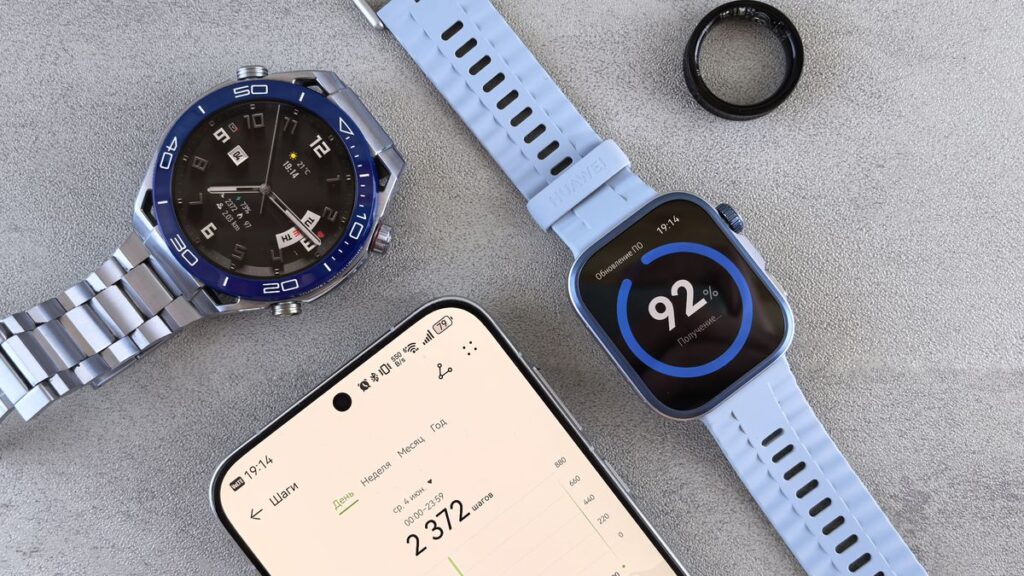
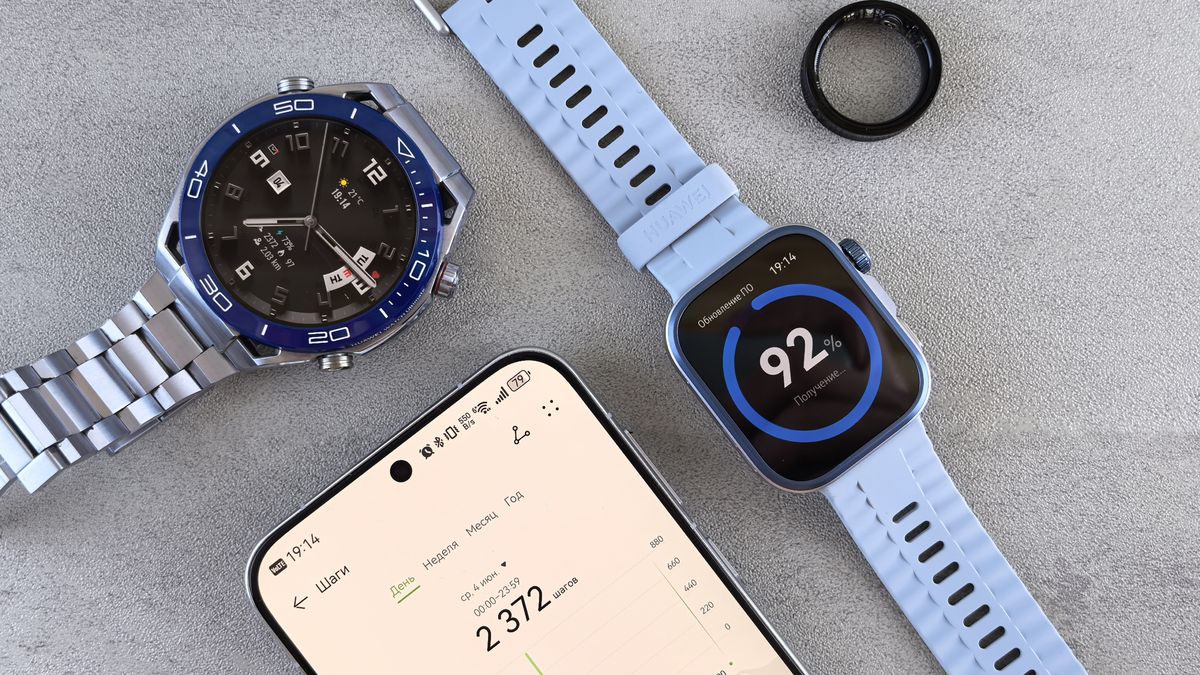
Smartwatches used to be a “nice to have” gadget for people willing to spend ₹15,000 or more. That’s changed completely. In 2026, the sub-₹5,000 segment in India has genuinely matured — you can now get a sharp AMOLED display, Bluetooth calling, accurate heart rate and SpO2 tracking, and a battery that lasts well over a week, all without touching five figures.
The challenge is that this segment is crowded. boAt, Noise, Fire-Boltt, Fastrack, and half a dozen other brands release near-identical-looking watches every few months, and most spec sheets look the same at a glance. This guide breaks down the best smartwatches under ₹5,000 available right now, what genuinely sets each one apart, and how to pick the right one based on what you’ll actually use it for. If you’re also shopping for a phone or earbuds to go with it, we’ve covered the best budget smartphones under ₹20,000 and the best wireless earbuds under ₹2,000 as well.
What to Expect at This Price Point in 2026
Before comparing specific models, it’s worth knowing what a genuinely capable smartwatch under ₹5,000 should offer today, so you can tell real value apart from an inflated spec sheet.
- Display: AMOLED panels are now common even at the lower end of this range, offering deeper blacks and better outdoor visibility than the IPS/LCD screens that used to dominate this segment.
- Bluetooth calling: Once a premium feature, it’s now standard on most watches above ₹2,500, letting you answer calls directly from your wrist.
- Health tracking: Heart rate, SpO2, sleep tracking, and stress monitoring are near-universal, though accuracy varies noticeably between brands.
- Battery life: Most watches in this range last anywhere from 5 to 14 days on a single charge, depending on how often you use calling and always-on display features.
- Connected GPS: None of these watches have built-in GPS chips — they rely on your paired phone’s GPS for route tracking. True standalone GPS typically starts around ₹8,000–₹12,000.
Best Smartwatches Under ₹5,000 in 2026
1. Fire-Boltt Invincible Plus — Best Overall Value
The Fire-Boltt Invincible Plus consistently comes up as the best all-round pick in this price bracket, and at around ₹2,999, it’s hard to argue otherwise. It features a sharp 1.43-inch AMOLED display, reliable Bluetooth calling, and the ability to connect your TWS earbuds directly to the watch — letting you take calls or play music without needing your phone nearby. A genuinely useful extra is its 4GB of internal storage for offline music playback, plus over 300 sports modes for tracking a wide range of activities. For someone who wants one dependable watch that covers calling, fitness, and music without overpaying, this is the safest recommendation.
2. Noise ColorFit Pro 5 / Ultra 3 — Best Display and Health Tracking
Noise has built a strong reputation in the budget wearable space, and the ColorFit Pro 5 and Ultra 3 variants (priced roughly ₹3,499–₹4,999) continue that trend with vibrant AMOLED displays and noticeably more reliable health sensors than many competitors. Bluetooth calling comes through clearly, the IP68 rating handles sweat and light rain without issue, and battery life comfortably stretches past 10 days with typical use. The companion app can feel a little cluttered with features, but the core experience — accurate tracking, sharp display, dependable calling — is about as complete as this price range gets.
3. boAt Wave Sigma / Wave Call 3 — Best Battery Life
If battery anxiety is your biggest complaint with smartwatches, boAt’s Wave series is built specifically to solve that. These models regularly deliver 10 to 14 days of battery life even with fairly heavy use — a genuine standout in a segment where many watches need charging every 4–5 days. Bluetooth calling and solid build quality round out the package at a price of roughly ₹2,999–₹4,499. The main trade-off is that some variants use an IPS display rather than AMOLED, so colors and contrast won’t be quite as punchy, but for anyone who’d rather charge once every two weeks than once every few days, that’s an easy trade to make.
4. Fastrack Limitless FS1+ — Best Display Size and Brightness
At around ₹2,495, the Fastrack Limitless FS1+ punches above its price with a large 2.01-inch display hitting a genuinely impressive 950 nits of peak brightness — noticeably brighter than most competitors in this range, which makes a real difference for outdoor visibility under direct sunlight. It also supports fast charging, getting you back to a usable battery level quickly when you’re in a hurry. If screen real estate and outdoor readability matter most to you, this is the standout pick.
5. Noise ColorFit Pulse 3 — Best Ultra-Budget Pick
For those who want to spend well under the ₹5,000 ceiling, the Noise ColorFit Pulse 3 at roughly ₹1,799 offers surprising value for the price. It includes Bluetooth calling and a comfortably sized 1.96-inch display — features that used to be reserved for pricier models just a year or two ago. It won’t match the sensor accuracy or build quality of pricier options on this list, but as an entry point into smartwatches, or as a backup watch, it’s a genuinely solid budget pick.
6. Redmi Watch 5 Lite — Best for Running and Fitness Tracking
Xiaomi’s Redmi Watch 5 Lite leans specifically into fitness tracking accuracy, making it the pick for runners and regular gym-goers who care more about reliable step counts and heart rate data than flashy extras. It pairs well with the broader Xiaomi/Mi Fitness ecosystem if you already use other Xiaomi devices, and its sports tracking algorithms tend to be a notch more consistent than some of the smaller budget brands on this list.
7. CMF by Nothing Watch Pro — Best Design and Build Quality
Nothing’s CMF sub-brand brings its distinctive, minimalist design language to wearables too, and the Watch Pro stands out for looking noticeably more premium than most budget smartwatches — many of which lean on generic, interchangeable designs. Beyond the design, it also holds up well on battery life, making it a strong pick for anyone who wants their smartwatch to actually look intentional on their wrist rather than purely functional.
Quick Comparison: Which Smartwatch Should You Pick?
| Smartwatch | Best For | Display | Approx. Price |
|---|---|---|---|
| Fire-Boltt Invincible Plus | Overall value | 1.43″ AMOLED | ₹2,999 |
| Noise ColorFit Pro 5 / Ultra 3 | Display & health tracking | AMOLED | ₹3,499–₹4,999 |
| boAt Wave Sigma / Wave Call 3 | Battery life | IPS/AMOLED (varies) | ₹2,999–₹4,499 |
| Fastrack Limitless FS1+ | Screen size & brightness | 2.01″, 950 nits | ₹2,495 |
| Noise ColorFit Pulse 3 | Ultra-budget | 1.96″ | ₹1,799 |
| Redmi Watch 5 Lite | Running & fitness | AMOLED | ~₹3,500 |
| CMF by Nothing Watch Pro | Design | AMOLED | ~₹4,500 |
Note: Prices in this segment change often due to festive sales and bank offers on Amazon and Flipkart. Always check the current listing before buying.
AMOLED vs IPS Display: Does It Matter on a Smartwatch?
Just like on phones, AMOLED displays on smartwatches produce true blacks and richer colors compared to IPS panels, since individual pixels can turn off completely. This also means AMOLED watch faces with dark backgrounds sip less battery than a fully lit IPS screen. The trade-off is that some AMOLED-equipped budget watches compensate elsewhere to hit their price point, so it’s worth checking overall reviews rather than choosing on display type alone. If you care primarily about outdoor visibility and don’t mind an IPS panel, brightness (measured in nits) matters just as much — the Fastrack Limitless FS1+’s 950-nit peak brightness, for example, holds up better in direct sunlight than several AMOLED watches with lower peak brightness.
Bluetooth Calling: How Well Does It Actually Work?
Bluetooth calling has become the headline feature in this segment, but it’s worth setting realistic expectations. These watches don’t have their own SIM or cellular connection — they route calls through your paired phone’s Bluetooth connection, meaning your phone still needs to be within range (typically 10 meters or so) for calls to work.
Call quality varies more than most spec sheets suggest. The built-in speaker and microphone are noticeably smaller than on a phone, so calls in noisy environments can be harder for the other person to hear clearly. It’s genuinely useful for quick calls when your phone is in your bag or across the room, but for longer, important calls, most people still end up switching to their phone or earbuds for better clarity.
How Accurate Is Health Tracking on Budget Smartwatches?
Heart rate, SpO2, sleep tracking, and stress monitoring are now standard features across nearly every watch in this segment. It’s worth understanding that budget smartwatches use simpler optical sensors than premium wearables, so readings should be treated as a helpful general trend rather than clinical-grade precision. Step counts and heart rate during steady activities (walking, light cardio) tend to be reasonably reliable, while metrics like sleep stage tracking and stress scores are more approximate.
If health tracking accuracy is your top priority rather than just a nice-to-have, models like the Redmi Watch 5 Lite and Noise ColorFit Pro 5/Ultra 3 tend to perform more consistently in real-world testing than lesser-known budget brands, based on how their sensor tuning and companion apps have been reviewed.
Common Mistakes to Avoid When Buying a Budget Smartwatch
- Expecting built-in GPS. No smartwatch under ₹5,000 has a standalone GPS chip — they all rely on connected GPS through your phone. If independent GPS tracking without your phone matters to you, you’ll need to budget significantly more.
- Assuming all AMOLED displays look the same. Brightness, resolution, and color tuning vary between brands even when both are labeled “AMOLED” — check real-world brightness figures (in nits) rather than trusting the panel type alone.
- Ignoring strap compatibility. Some budget watches use proprietary strap sizes that limit your replacement options later, while others use standard 20mm or 22mm bands widely available online.
- Overlooking companion app quality. A watch is only as good as its app — clunky, ad-heavy, or poorly translated companion apps can make an otherwise decent watch frustrating to use day to day.
- Buying based on sports mode count alone. “300+ sports modes” sounds impressive, but most people only ever use two or three. Focus on whether the specific activities you care about (running, cycling, swimming) are tracked accurately, not the total count.
Smartwatch or Fitness Band: Which Should You Buy?
If you’re deciding between a full smartwatch and a simpler fitness band, the choice mostly comes down to whether you want notifications and calling on your wrist or just fitness tracking. Smartwatches in this price range now offer nearly everything a fitness band does, plus calling, a larger display, and more customizable watch faces — often for a similar or only slightly higher price. Unless battery life or a smaller, lighter form factor is a specific priority for you, a budget smartwatch is generally the more versatile choice today, and the price gap between the two categories has narrowed significantly.
How to Choose the Right Smartwatch for You
- Want one dependable all-rounder: The Fire-Boltt Invincible Plus balances display, calling, and features better than anything else near ₹3,000.
- Care most about display quality and accurate tracking: Go with the Noise ColorFit Pro 5 or Ultra 3.
- Hate charging often: The boAt Wave Sigma or Wave Call 3 will keep you going for 10–14 days.
- Want the biggest, brightest screen: The Fastrack Limitless FS1+’s 950-nit display is the standout here.
- On the tightest possible budget: The Noise ColorFit Pulse 3 delivers calling and a decent display for under ₹1,800.
- Run or work out regularly: The Redmi Watch 5 Lite’s tracking consistency makes it the better fitness-focused pick.
- Design matters as much as function: The CMF by Nothing Watch Pro looks noticeably more premium than its price suggests.
Frequently Asked Questions
Do smartwatches under ₹5,000 have GPS?
No, none of the smartwatches in this price range have built-in GPS chips. They use your connected smartphone’s GPS for route tracking during outdoor activities like running or cycling — commonly called “connected GPS.” Standalone GPS that works without your phone typically starts around ₹8,000–₹12,000.
Can I make calls directly from a budget smartwatch?
Yes, most watches above roughly ₹2,500 in this segment support Bluetooth calling, letting you answer and make calls from your wrist as long as your paired phone is within Bluetooth range, typically around 10 meters.
Do these smartwatches track SpO2 and sleep accurately?
They provide a reasonably useful general trend rather than medical-grade accuracy. Budget optical sensors are less precise than dedicated medical devices, so treat readings as helpful indicators rather than exact clinical measurements.
How long does the battery actually last with daily use?
Most watches in this range last 5 to 14 days per charge depending on usage. Frequent Bluetooth calling, always-on display, and continuous heart rate monitoring will drain the battery faster than basic notification and step tracking alone.
Will a budget smartwatch work with both Android and iPhone?
Most budget smartwatches support both Android and iOS through their companion app, though the feature set on iPhone is sometimes slightly more limited than on Android due to Apple’s platform restrictions. Check the specific app’s compatibility notes before buying if you use an iPhone.
Final Thoughts
The under-₹5,000 smartwatch segment in 2026 genuinely doesn’t require compromise the way it did just a couple of years ago — AMOLED displays, Bluetooth calling, and solid battery life are all realistically available without stretching your budget. The right pick comes down to what you’ll actually use daily: the Fire-Boltt Invincible Plus is the safest all-round choice, the boAt Wave series is unbeatable if you hate charging often, and the Noise ColorFit Pro 5 is worth the small premium if display quality and tracking accuracy matter most to you.
If you’re building out your everyday tech setup, pairing your new smartwatch with a solid pair of budget earbuds and a capable phone rounds things out nicely — check out our guides on the best wireless earbuds under ₹2,000 and the best budget smartphones under ₹20,000 to complete the picture.